

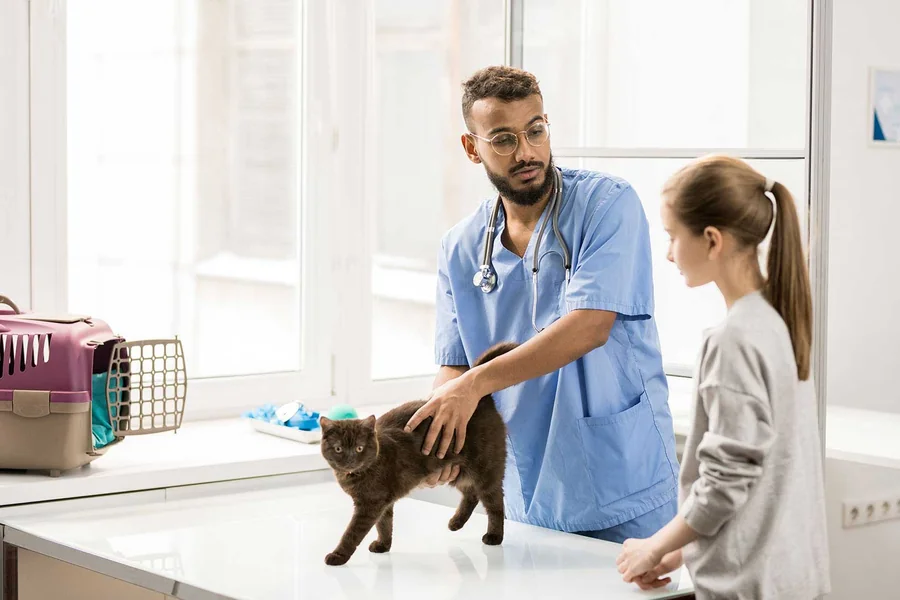
You might already know the signs. The carrier comes out, your cat disappears under the bed, and what should be a simple appointment starts to feel like a battle. By the time you reach the clinic, your cat is tense, you are worried, and the whole visit can leave both of you drained. If that sounds familiar, you are not overreacting. Cats are sensitive to changes in routine, strange smells, loud sounds, and handling they do not expect, which is why many pet owners turn to trusted cat healthcare professionals in Calgary.
The good news is that a thoughtful cat clinic can change that experience in real ways. The short version is simple. A calmer trip usually comes down to three things, better preparation before the visit, gentler handling during the visit, and a clinic space designed with cats in mind. When those pieces come together, veterinary care can feel less like a crisis and more like a normal part of keeping your cat well.
Why do vet visits feel so hard for cats in the first place?
Cats are not being dramatic when they resist the carrier or freeze in the exam room. They are reacting to stress in the way their bodies are built to react. A car ride can feel unsafe. New noises can trigger fear. Even the smell of other animals in a waiting room can raise tension fast. According to guidance on stress free veterinary trips, the process often becomes easier when cats are slowly helped to accept the carrier and travel before the day of the appointment.
Because of this tension, you might wonder whether the visit itself is the problem, or whether the whole chain of events is what sets your cat off. Usually, it is the whole chain. The stress begins at home, builds during transport, and peaks when your cat is handled in a strange place. If that pattern keeps repeating, your cat may start to connect the carrier, the car, and the clinic with fear long before the next appointment arrives.
That is why stress free cat vet visits are not just about what happens on the exam table. They begin with how the clinic guides you before you arrive and how the team responds once your cat is in their care.
How does a cat clinic reduce fear before you even walk through the door?
The first way cat clinics help is by preparing you for success ahead of time. This can include advice on leaving the carrier out at home, using familiar bedding, offering treats in and around the carrier, and planning the trip at a quieter time of day. These small steps matter because they lower the sense of surprise. Your cat does better when the carrier is part of normal life, not a signal that something unpleasant is about to happen.
Some clinics also talk with you in advance about your cat’s history. Does your cat panic in the car. Hide for hours after a visit. React strongly to being touched. When a clinic asks these questions, it is not just being polite. It is building a plan around your cat instead of forcing your cat into a fixed routine.
Research from Texas A&M on stressful situations for pets points out that animals often show stress through body language, appetite changes, and withdrawal. That matters during veterinary visits because the earlier stress is recognized, the easier it is to reduce it before it escalates.
What happens inside the clinic that makes visits calmer?
The second way a cat clinic helps is through low stress handling. This means the team pays attention to posture, pace, touch, and timing. Instead of rushing to restrain a frightened cat, they may let your cat stay in the bottom half of the carrier, use a towel for comfort, dim noise, or pause for a moment so your cat can settle.
That approach is more than kindness. It often leads to a better exam. A cat that feels trapped may hiss, struggle, or shut down. A cat that feels safer is easier to assess, easier to treat, and less likely to leave the visit more fearful than before. Ohio State’s guidance on implementing low stress handling in your practice explains how handling techniques and environment can reduce fear for both pets and veterinary teams.
So, where does that leave you as the person trying to do the right thing? It means you should expect a cat clinic to move with care, explain what they are doing, and adjust when your cat shows signs of distress. A good visit is not one where your cat is simply “gotten through.” It is one where fear is noticed and reduced.
Can the clinic environment really change your cat’s experience?
Yes, and often more than people expect. This is the third way cat clinics promote calmer care. The physical setup matters. A quieter waiting area, fewer strong smells, covered carriers, elevated spaces to place carriers, and exam rooms designed to feel less threatening can all help. Cats feel safer when they are not at floor level near barking dogs, and when they have a chance to stay partly hidden while the team begins the exam.
Fear free veterinary care for cats is often built on these details. They may seem small to you, but to a cat they can be the difference between panic and tolerable discomfort. In many cases, the goal is not to create a perfect visit. It is to reduce the stress enough that your cat can recover quickly and return for future care without the same level of fear.
What practical differences should you look for in a cat clinic?
If you are comparing options, it helps to focus on what the clinic actually does, not just what it promises. Here is a simple way to evaluate a cat clinic approach.
| Area | Standard Approach | Low Stress Cat Friendly Approach |
| Carrier prep | Little guidance before the visit | Instructions on carrier training, bedding, treats, and timing |
| Waiting room | Shared noisy space with other pets | Quieter flow, covered carriers, cat carriers placed up high when possible |
| Handling | Quick restraint as needed | Gentle pacing, towels, fewer force based techniques, breaks when needed |
| Communication | Focus on the procedure only | Questions about your cat’s triggers, behavior, and recovery after visits |
| Long term result | Fear can build from visit to visit | Better chance of easier future appointments and more consistent care |
What can you do right now to make the next visit easier?
- Make the carrier part of daily life. Leave it out in a familiar room with soft bedding and treats. If your cat only sees the carrier before an appointment, fear starts early. If the carrier becomes a resting spot, the trip begins with less tension.
- Ask the clinic how they handle anxious cats. You are allowed to ask direct questions. Do they use towels, quiet rooms, and slower handling. Do they schedule cats at calmer times. Do they offer tips before the visit. The answers will tell you a lot.
- Track what stresses your cat most. It may be the car ride, the waiting room, being lifted out of the carrier, or unfamiliar touch. When you know the trigger points, you can share that with the clinic and build a better plan for the next visit.
Cat care does not have to feel like a cycle of dread, struggle, and recovery. With the right preparation and the right clinic habits, visits can become more manageable for your cat and far less upsetting for you. If you are scheduling an appointment, ask how the clinic supports calmer feline visits and what you can do at home before you come in. That one conversation can change the whole experience.
