

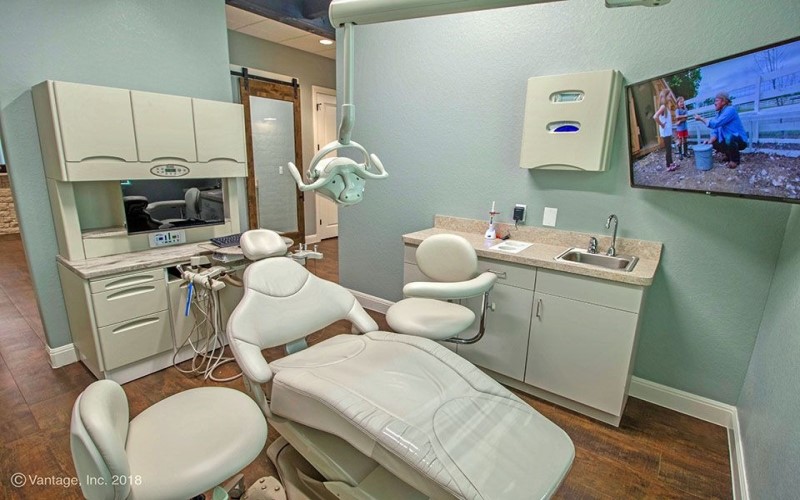
Renovating a dental office in 2025 is more than just a cosmetic upgrade—it’s an opportunity to improve functionality, patient experience, and overall efficiency. With advancements in technology and evolving patient expectations, creating a modern, welcoming space has become essential for staying competitive in the dental industry.
A successful renovation requires careful planning and attention to detail. From designing a layout that maximizes workflow to incorporating the latest innovations, every decision plays a role in shaping the future of the practice. By following key steps, dental professionals can transform their offices into state-of-the-art facilities that meet both practical and aesthetic goals.
Assessing Your Current Office Layout and Identifying Areas for Improvement
Evaluating a dental office layout requires a detailed analysis of both patient and staff needs. Space should promote efficient workflows, allowing staff to move seamlessly between treatment rooms, sterilization areas, and administrative zones. Consider identifying bottlenecks, such as narrow hallways or overcrowded workspaces, to optimize mobility and efficiency.
Facilities that no longer meet modern design standards or patient expectations may need updates. Focus on areas affecting patient comfort, such as waiting rooms, reception desks, and treatment spaces. For example, integrate comfortable seating, ample lighting, and technology like digital check-in kiosks to enhance the visitor experience.
Assessing storage capacity helps ensure equipment, dental tools, and supplies are organized efficiently. Insufficient storage can compromise cleanliness and accessibility, leading to operational delays. Modernizing cabinetry or adding smart shelving solutions can improve accessibility.
Analyze compliance with ADA (Americans with Disabilities Act) guidelines. Renovations might involve widening doorways, adjusting counter heights, or modifying restroom facilities to enhance accessibility for all visitors.
Documenting observed inefficiencies and unmet needs creates a blueprint for improvement. Dental professionals can read more details about design strategies during the planning phase to guide purposeful renovations.
Choosing the Right Materials and Finishes for a Modern Look
Selecting materials and finishes during a Dental Office Renovation directly impacts the office’s functionality and visual appeal. Prioritizing durable, low-maintenance options ensures the environment withstands daily operations while retaining an aesthetically pleasing appearance.
Floors and Walls: Using non-porous, stain-resistant flooring like luxury vinyl or polished concrete creates a hygienic and modern foundation. Wall finishes such as semi-gloss paint or antimicrobial wallpaper add durability and easy-to-clean properties, supporting infection control protocols.
Countertops and Cabinetry: Materials like quartz and solid-surface countertops offer both durability and a sleek appearance, ideal for treatment rooms and reception areas. Laminated or hardwood cabinetry ensures long-lasting use and complements the overall aesthetic.
Lighting Fixtures: Installing energy-efficient LED lighting significantly enhances the office’s sustainability. Combining ambient lighting with task-specific fixtures improves functionality in different zones, such as treatment and sterilization rooms.
Maintaining cohesive finishes across surfaces and fixtures simplifies the design while projecting a polished, modern vibe. Investing in quality, professional-grade materials enhances both the patient experience and staff efficiency. For further insights into dental office renovation, Read more.
How to Upgrade Equipment Without Disrupting Daily Operations
Scheduling equipment upgrades strategically minimizes disruptions. They plan installations during off-hours, weekends, or scheduled downtime to ensure uninterrupted patient services. Temporary workarounds, like portable units for certain treatments, maintain functionality while new systems are integrated.
Coordinating with vendors and technicians maximizes efficiency. Vendors provide clear timelines, while technicians execute swift, well-planned installations based on the office’s schedule. Pre-delivery inspections verify equipment’s compatibility and readiness to prevent delays.
Preparing staff for the transition enhances operation continuity. Training sessions before deployment familiarize the team with upgraded systems, reducing errors and downtime. Providing step-by-step guides ensures quick adaptation and efficient usage.
Using phased integration divides implementation, ensuring uninterrupted workflows. For example, replacing dental chairs room by room prevents full facility shutdown. Equipment that supports cross-use, such as intraoral cameras, significantly aids in this process.
Informing patients of any minor service adjustments avoids dissatisfaction. Proactive communication, like email updates or signage, reassures patients their care remains a priority. This transparency builds trust during a dental office renovation.
Compliance with Safety and Accessibility Regulations in 2025
Meeting safety and accessibility standards in 2025 ensures that dental offices provide an inclusive and secure environment for patients and staff. Renovation plans must align with updated guidelines from regulatory bodies such as the ADA (Americans with Disabilities Act) and OSHA (Occupational Safety and Health Administration).
Adhering to ADA Requirements
ADA compliance mandates features like wheelchair-accessible entryways, ramps, and treatment spaces. Installing doors with a minimum width of 32 inches and ensuring patient counters and sinks do not exceed 34 inches in height supports accessibility. Elevators or chairlifts may be necessary in multi-level facilities.
Implementing OSHA Standards
OSHA regulations focus on workplace safety and infection control. Non-slip, chemical-resistant flooring in treatment areas, proper ventilation systems, and designated zones for cleaning and sterilization promote a risk-free environment. Clear workplace signage regarding hazard materials furthers compliance.
Updating Emergency Protocols
Renovations should incorporate modern safety mechanisms, like updated fire alarm systems and clearly marked emergency exits. Installing adjustable dental chairs with emergency stop controls aids both patient and staff safety. Adequate lighting in hallways and staircases reduces risks during evacuations.
Planning Accessibility Investments Smartly
Balancing immediate costs with long-term functionality supports budget efficiency. Incorporate staggered timelines for major accessibility modifications if full compliance is cost-prohibitive initially. Regular inspections and maintenance ensure continuous alignment with regulations.
For expanded insights into redesigning dental offices while prioritizing safety, read more resources on dental office renovation and regulatory strategies.
Budgeting and Timeline Considerations for a Smooth Renovation
Establishing a clear budget and timeline is essential for managing a dental office renovation effectively. Defining financial limits early in the planning phase minimizes unexpected costs and ensures resource allocation aligns with goals. Accounting for construction, materials, labor, permits, and temporary downtime provides a comprehensive view of expenses. Including a contingency fund, typically 10-15% of the total budget, covers unforeseen issues like structural repairs or supply delays.
Creating a realistic project timeline is equally important. Break the renovation into phases, prioritizing critical areas such as treatment rooms and sterilization zones to maintain partial functionality during upgrades. Collaborating with contractors and designers to set achievable deadlines avoids project overruns. Factoring in lead times for custom fixtures, materials, and equipment ensures smooth progress.
Maintaining patient services during the renovation demands strategic planning. Schedule construction during off-peak hours, weekends, or holiday breaks whenever possible. Communicating timelines to staff and patients builds transparency, minimizing disruptions. For major remodels, temporary relocation to a nearby facility can sustain operations, provided it aligns with the budget.
Leveraging both financial forecasting and flexible scheduling delivers efficient renovations while sustaining patient satisfaction. For further steps to modernize dental practices, read more guides on dental office renovation planning.
Working with Architects and Designers Specializing in Dental Spaces
Selecting architects and designers experienced in dental office renovation ensures tailored solutions for functional and aesthetic needs. These professionals understand industry-specific requirements, such as ergonomic layouts and seamless integration of modern dental equipment.
Collaborating with such experts allows dental practitioners to optimize treatment room configurations, sterilization areas, and patient waiting spaces. They help create efficient workflows by strategically positioning workstations and supporting patient comfort through thoughtful design elements like natural light and calming colors.
Choosing architects or designers familiar with health and safety regulations, including ADA compliance, reduces risks of oversight. Their expertise ensures proper accessibility features, from wheelchair-friendly pathways to compliant restroom layouts.
Discussing budget constraints and timelines upfront enhances project feasibility. Professionals specializing in dental spaces provide cost-effective designs that align with financial limits while achieving objectives. This approach ensures minimal disruptions to operations during renovations.
Engaging specialists experienced in creating modern, compliant spaces supports the development of attractive and functional offices. Detailed collaboration ensures every design choice contributes to improved patient experience and operational efficiency. For further renovation insights, read more about optimizing dental spaces in 2025.
The Importance of Future-Proofing Your Dental Office
A successful dental office renovation in 2025 is an investment in long-term growth and patient satisfaction. By embracing modern design principles, advanced technology, and efficient workflows, dental professionals can create a space that meets evolving industry standards while enhancing both functionality and aesthetics.
Thoughtful planning and collaboration with experienced professionals ensure renovations align with operational goals and patient needs. Prioritizing compliance, sustainability, and accessibility further solidifies your practice as a trusted, forward-thinking provider. With careful execution, a well-renovated dental office can elevate your brand, improve staff efficiency, and deliver an exceptional patient experience for years to come.
