

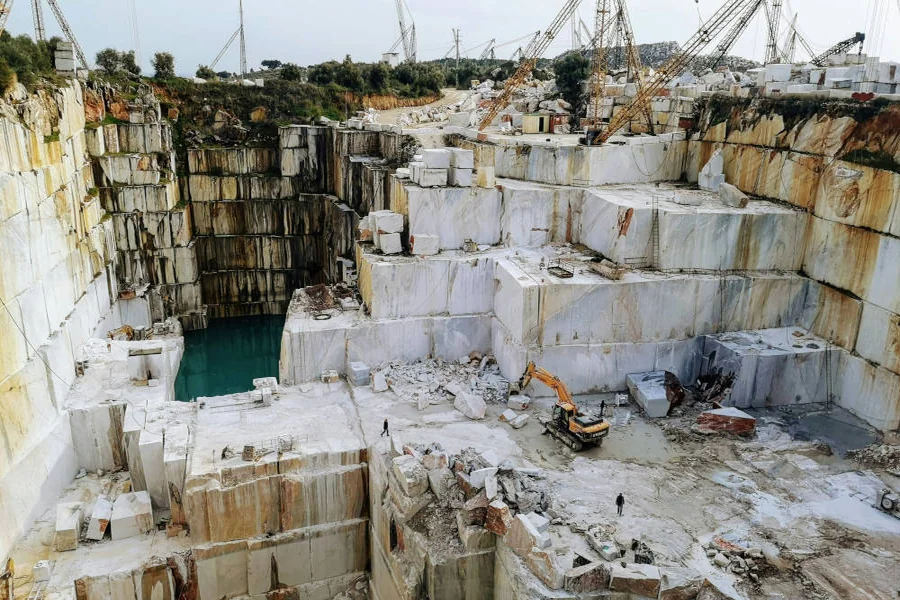
The natural stone supply industry, long anchored in tradition and craftsmanship, is undergoing a period of transformational change. Driven by shifting design preferences, sustainability imperatives, technological innovation, and evolving global trade dynamics, suppliers—from quarry operators to fabricators and distributors—are adapting to a rapidly modernizing marketplace. In 2025 and beyond, several key trends are shaping the future of this ancient yet resilient sector.
Growth Driven by Construction and Architectural Demand
Natural stone continues to enjoy strong demand from the global construction industry. As infrastructure development intensifies across emerging economies and urban expansion persists in established markets, stone is increasingly specified for both structural and aesthetic applications. Residential renovations, commercial developments, public buildings, and cultural landmarks are all significant consumers of natural stone materials such as granite, marble, limestone, and travertine. Market reports indicate that natural stone demand is being fuelled by rising construction activity, accounting for major consumption worldwide.
The architectural appeal of stone—its durability, longevity, and timeless beauty—remains a compelling factor for designers. Modern architecture increasingly integrates stone for flooring, wall cladding, facades, and bespoke interior elements, reinforcing its role as a premium building material.
Sustainability and Eco‑Conscious Sourcing
One of the most profound shifts in the industry is the emphasis on sustainability. Architects, developers, and end‑users are prioritizing materials that align with green building standards and environmental responsibility. Natural stone inherently offers advantages over many synthetic alternatives, such as lower lifecycle carbon emissions and high recyclability. As a result, a growing share of projects—particularly those targeting LEED, BREEAM, or other eco‑certifications—are specifying responsibly sourced stone products.
Quarry operators and stone processors are responding by adopting greener extraction methods, implementing water recycling systems, reducing energy use, and integrating renewable power at processing sites. Eco‑labels and verifiable sustainability documentation are becoming important competitive differentiators, helping suppliers appeal to environmentally conscious buyers.
Technological Innovation and Digital Integration
Technology is reshaping how natural stone is extracted, processed, and sold. Automation and digital tools are increasingly standard in modern operations:
- Advanced cutting and fabrication: Computer Numerical Control (CNC) machines, 5‑axis routers, and laser/waterjet cutters enable precise shaping and finishing that was once only possible by hand. These tools reduce material waste and expand design possibilities.
- AI and pattern matching: Artificial intelligence systems help match veining and grain patterns across slabs, optimizing aesthetic cohesion in large installations.
- Smart quarrying and IoT: Sensor networks and automation in quarries improve yield, reduce downtime, and enhance safety.
- Digital catalogs and virtual tools: Cloud‑based stone libraries and 3D visualization platforms allow architects and clients to preview stone selections virtually, smoothing design decision‑making and speeding procurement cycles.
These technologies are not only enhancing product quality and reducing costs, but also enabling suppliers to compete more effectively against engineered alternatives that benefit from similar digital workflows.
Premiumization and Customized Products
The natural stone market is shifting from a commodity‑centric focus toward premium and value‑added offerings. Buyers increasingly seek curated collections, rare stone varieties, and specialized surface finishes that elevate projects beyond standard materials. At trade events and in supplier portfolios, designs that highlight dramatic veining, book‑matched slabs, and bespoke finishes are gaining traction, especially in luxury residential and high‑end commercial sectors.
Suppliers are also creating Exclusive Crazy Pave Tiles, a premium offering that combines intricate craftsmanship with striking aesthetic appeal, catering to clients who desire one-of-a-kind installations. Customized stone solutions—such as cut‑to‑size slabs, specialty cladding panels, antique or leathered finishes, and tailored architectural components—are becoming a major source of revenue growth for fabricators and distributors.
Shifting Trade Patterns and Regional Growth
A notable trend in the global stone supply industry is the reshaping of trade flows. Traditional import markets in the U.S. and Europe remain significant, but demand in Asia, the Middle East, and Gulf States is rising sharply. Cities such as Dubai, Doha, and Singapore are investing in grand infrastructure and luxury developments that have high natural stone specifications.
Regional supply chains are also evolving. Geopolitical factors and carbon‑related tariffs are pushing some buyers to source more locally or regionally, reducing transportation costs and emissions. Meanwhile, emerging producers in Africa and Southeast Asia are gaining footholds in international markets, supported by expanding quarry operations and trade partnerships.
Competitive Pressure from Engineered Alternatives
Despite its enduring appeal, natural stone faces increasing competition from engineered surfaces like quartz, porcelain, and composite materials. These alternatives often offer greater uniformity, enhanced performance characteristics, and easier installation, appealing to certain segments of the market—particularly residential countertops and façade panels.
To counter this threat, natural stone suppliers are emphasizing authenticity, premium texture, and the unique aesthetic qualities that cannot be replicated by synthetic products. Branding efforts such as collective promotion initiatives are gaining momentum to reinforce the value proposition of genuine stone.
Logistics, Supply Chain Resilience, and Cost Pressures
The industry continues to grapple with logistical challenges and cost pressures. Transportation accounts for a significant portion of stone pricing, and fluctuations in fuel costs or shipping disruptions can affect lead times and margins.
In response, some suppliers are investing in localized processing hubs closer to key markets and enhancing supply chain transparency. Others are optimizing inventory management using real‑time data to reduce bottlenecks and improve responsiveness.
Emphasis on Safety and Workforce Welfare
While innovation and demand are rising, the sector is also confronting occupational health and safety concerns—particularly regarding dust exposure in fabrication environments. Recent industry incidents have highlighted risks associated with silica dust, prompting calls for stricter safety protocols and regulatory oversight. Ensuring safe working conditions is becoming a more central concern for suppliers and contractors alike.
Conclusion
Natural stone supply is at a dynamic crossroads. Blending time‑honored materials with cutting‑edge technologies, sustainability principles, and evolving market strategies, the industry is positioning itself for long‑term relevance. Growth driven by construction, design innovation, premiumization, and environmental consciousness offers ample opportunities for suppliers who can adapt. At the same time, competitive pressures from engineered products and supply chain complexities require strategic foresight and operational agility.
Looking ahead, suppliers who embrace digital transformation, demonstrate authentic sustainability, and offer customized solutions—including exclusive offerings like Crazy Pave Tiles—will be best positioned to thrive in the increasingly sophisticated world of natural stone.
