

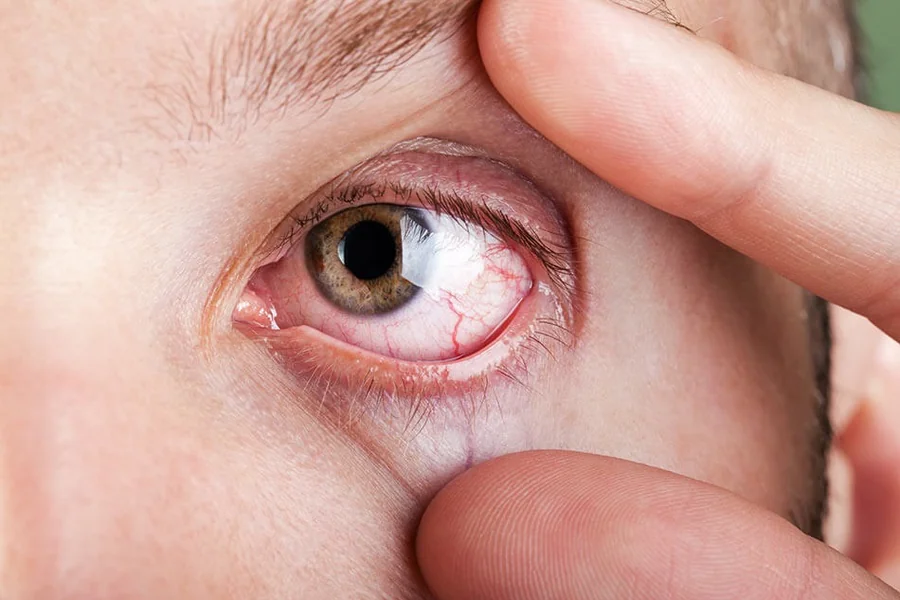
Screens are part of modern life. We wake up to phone alarms, work on laptops, relax with streaming platforms, and scroll before bed. Whether it’s answering emails, watching videos, or connecting with friends, digital devices are woven into our daily routines. But with that constant exposure comes a growing concern: what is all this screen time really doing to our eyes?
Understanding how screens affect your vision isn’t about fear. It’s about awareness. Once you know what’s happening, you can take simple steps to protect your eye health without giving up the devices you rely on.
The Rise of Digital Eye Strain
Spending long hours staring at screens can lead to a condition commonly called digital eye strain, also known as computer vision syndrome. It’s not a permanent disease, but it is a collection of uncomfortable symptoms caused by prolonged screen use.
Common signs include:
- Blurry vision
- Dry or irritated eyes
- Headaches
- Neck and shoulder pain
- Sensitivity to light
- Difficulty focusing
Unlike reading a book, screens require your eyes to constantly refocus due to pixelated text, glare, brightness changes, and motion. This forces your eye muscles to work harder than usual.
The more hours you spend on devices without breaks, the more noticeable these symptoms can become.
Why Screens Tire Your Eyes Faster
There are several reasons digital screens strain your eyes more than traditional tasks.
1. Reduced Blinking
When you look at a screen, you blink less—sometimes up to 50% less than normal. Blinking spreads tears across your eyes, keeping them moist and comfortable. Fewer blinks mean dryness and irritation.
2. Blue Light Exposure
Screens emit blue light, a high-energy visible light. While blue light isn’t inherently dangerous at normal exposure levels, extended screen use—especially at night—can contribute to eye fatigue and disrupt sleep patterns.
3. Glare and Contrast Issues
Glare from overhead lights or sunlight reflecting off screens forces your eyes to adjust constantly. Poor contrast or small text size also increases strain.
4. Close Viewing Distance
Most people hold phones very close to their faces or sit too near computer screens. Maintaining a short viewing distance requires continuous focusing effort, which can lead to muscle fatigue.
Is Screen Time Causing Permanent Damage?
One of the most common fears is that screens are permanently damaging eyesight.
Current research shows that normal screen use does not directly cause irreversible eye damage in adults. However, excessive near work—including screen time—may contribute to the progression of myopia (nearsightedness), especially in children and teenagers.
Children’s eyes are still developing, and prolonged indoor screen use combined with reduced outdoor time has been linked to increasing rates of myopia worldwide. Encouraging outdoor play and balanced habits is particularly important for younger age groups.
For adults, most screen-related discomfort is temporary. The key is prevention and management.
How Screen Time Affects Sleep
Eye health isn’t only about vision clarity. Screen use late at night can interfere with sleep by suppressing melatonin production, the hormone that regulates sleep cycles.
Blue light exposure in the evening signals to your brain that it’s still daytime. This can:
- Make it harder to fall asleep
- Reduce sleep quality
- Leave your eyes feeling more fatigued the next day
When sleep suffers, your eyes often feel dry, irritated, and strained—creating a cycle of discomfort.
Simple Ways to Protect Your Eyes
The good news is that you don’t have to eliminate screens. Small adjustments can make a significant difference.
Follow the 20-20-20 Rule
Every 20 minutes, look at something 20 feet away for at least 20 seconds. This allows your eye muscles to relax and reset.
Set a timer or use reminder apps until it becomes a habit.
Adjust Your Screen Setup
- Keep your screen about an arm’s length away.
- Position it slightly below eye level.
- Increase text size to reduce squinting.
- Reduce glare with proper lighting or anti-glare filters.
Proper posture also reduces neck and shoulder tension, which often accompanies eye strain.
Blink More (Intentionally)
It sounds simple, but consciously reminding yourself to blink can reduce dryness. If dryness persists, preservative-free artificial tears can help restore moisture. You can also explore targeted eye care products from Peep Club, which offers modern solutions specifically designed to support dry, screen-tired eyes and overall digital eye comfort.
Use Night Mode in the Evening
Most devices offer blue light filters or “night shift” settings. These reduce blue light exposure and can be especially helpful after sunset. Even better, try to avoid screens at least one hour before bedtime.
Take Regular Breaks
Long stretches of uninterrupted screen use are the biggest problem. Stand up, stretch, walk around, and rest your eyes regularly. Your entire body benefits—not just your vision.
When to See an Eye Care Professional
Occasional discomfort is common. But you should schedule an eye exam if you experience:
- Persistent blurry vision
- Frequent headaches
- Ongoing dryness or burning
- Difficulty focusing
- Double vision
An updated prescription for glasses or contact lenses can dramatically reduce digital strain. Some people benefit from computer-specific glasses designed for screen distance.
Children who show signs of squinting, sitting too close to screens, or complaining about headaches should also have their vision checked.
Creating Healthier Digital Habits
Managing screen time isn’t about strict limits. It’s about balance.
Here are practical long-term strategies:
- Encourage outdoor time, especially for children
- Schedule tech-free meals or evenings
- Use larger screens instead of small phones when possible
- Avoid multitasking across multiple devices
- Prioritize sleep
You don’t need a digital detox to protect your eyes. You need mindful habits.
The Bottom Line
Screens are not the enemy. They connect us, educate us, and entertain us. But our eyes were not designed for nonstop close-up focus under artificial light.
Most screen-related discomfort is temporary and manageable. By taking regular breaks, adjusting your setup, blinking more, and protecting your sleep, you can significantly reduce digital eye strain.
Your eyes work hard every day. With a few simple adjustments—and supportive products when needed—you can help them stay comfortable, focused, and healthy, even in a screen-filled world.
