

Walking across your living room barefoot should be a predictable experience. You expect the cool touch of tile or the soft texture of carpet beneath your feet. If you suddenly step on a patch of flooring that feels strangely warm, you might look for a sunbeam or a heating vent. When neither is present, that localized heat often signals trouble beneath your home’s foundation.
Most modern houses sit on a thick concrete slab with plumbing pipes buried deep underneath. When a hot water line develops a hole, the escaping water pools against the concrete and heats it up. This creates a “hot spot” that is felt through almost any flooring, from hardwood to linoleum. It is a subtle warning that your house needs professional attention before a small drip becomes a major flood.
Recognizing the Signs of Trouble
A warm floor is rarely the only symptom of a plumbing problem, though it is often the most noticeable. You might hear the faint sound of running water even when every faucet is tightly shut. Many homeowners also notice a spike in their water bills that cannot be explained by extra laundry or gardening. These clues point toward a hidden break in the line that is constantly wasting resources.
In some cases, moisture from the leak eventually finds its way up through the slab and into your living space. This often shows up as damp spots on the carpet or a musty smell that doesn’t go away. If you ignore these warnings, the water can warp floorboards or cause tiles to crack and pop loose. Catching the issue while it is still just a “warm spot” can save you from replacing your entire floor later.
Understanding the Causes of Failure
You might wonder how a sturdy copper or plastic pipe buried under concrete could possibly break. Over time, the soil beneath your house can shift or settle due to changes in moisture or weather patterns. This movement puts immense pressure on the pipes, causing them to bend or snap at their weakest points. Additionally, certain soil types can actually eat away at metal pipes through a slow chemical process called corrosion.
Another common factor is the constant expansion and contraction of hot water lines. Every time you take a shower, the pipe heats up and grows slightly, then shrinks as it cools. Over many years, this constant rubbing against the rough concrete slab can wear a hole through the side of the pipe. This is why hot spots are such a specific red flag; they almost always indicate a failure in the line carrying your heated water.
Choosing the Right Repair Method
Once a leak is confirmed, the next step is deciding how to fix it without destroying your home. Many people imagine workers jackhammering the entire living room floor to find the break. Fortunately, modern technology allows plumbers to pinpoint the exact location of a leak using specialized listening devices. This ensures the repair work is targeted and causes far less mess than you might expect.
Homeowners often choose between a direct fix and a process called rerouting. A direct slab leak repair involves opening a small hole in the concrete to replace the broken section of pipe. Rerouting is often a smarter long-term choice because it involves running a brand-new pipe through the walls or attic. This bypasses the leaky line under the slab, ensuring the problem won’t return in that area.
Protecting Your Home’s Foundation
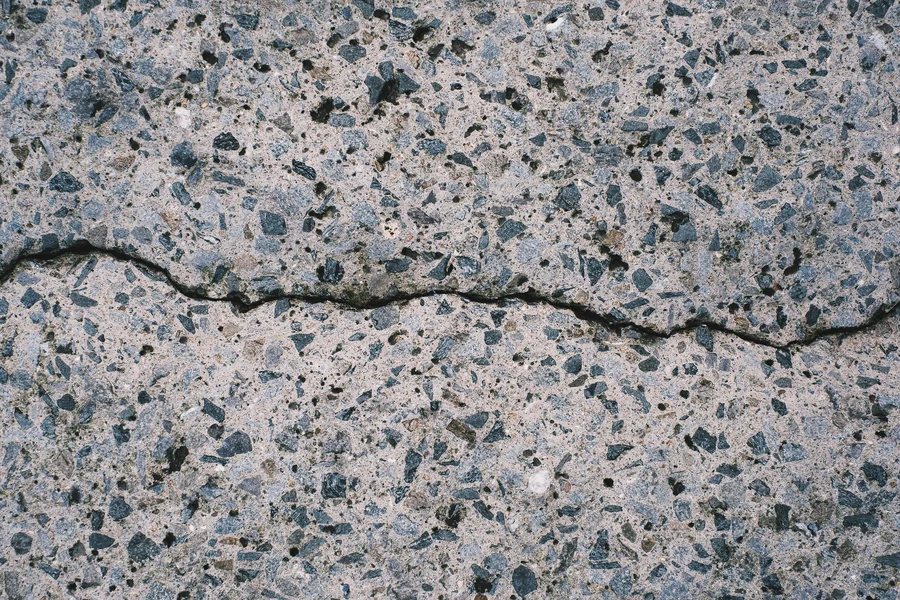
The most dangerous part of a slab leak isn’t the wasted water; it is the damage occurring beneath your house. As water pours out, it washes away the soil supporting your concrete foundation. This creates empty pockets called “voids” that leave the heavy slab hanging without support. Eventually, the weight of the house causes the concrete to crack, leading to massive structural damage.
Repairing a cracked foundation is much more expensive and complicated than fixing a simple plumbing leak. You might see cracks in your drywall or notice that doors and windows no longer close properly. By acting quickly when you first feel that warm spot, you protect the very “bones” of your property. It is always better to call a professional early than to wait until the house starts to shift.
Managing the Insurance Process
Many homeowners worry about repair costs, but insurance often plays a helpful role. While policies vary, many companies cover the costs of accessing the leak and repairing water damage. They may not pay for the broken pipe itself, but they often cover the expensive work of replacing the flooring. It is vital to document everything with photos and keep all your receipts during the process.
Working with a plumber who understands insurance can make the experience much less stressful. They provide the detailed reports and evidence that adjusters need to approve your claim quickly. Having a professional on your side ensures the job is done right and your home is restored correctly. Don’t let fear of the cost stop you from calling, as a delay will only make the eventual bill much higher.
Conclusion
A warm spot on your floor is a clear message that your home needs help. While it seems like a minor mystery, it is often the first visible sign of a serious slab leak happening out of sight. By paying attention to these subtle red flags, you can prevent minor drips from turning into major foundation disasters.
Your home is likely your biggest investment, and keeping the plumbing healthy ensures it stays safe and comfortable. If your feet find a hot spot today, take it seriously and protect your foundation before the damage spreads. Calling in experts early is the best way to keep your home’s structure secure for years to come.
