

The Foundation of Every Successful Development
Land development is a complex process that transforms raw land into residential communities, commercial centers, industrial facilities, and public infrastructure. While developers often focus on architects, engineers, and construction teams, one professional plays a critical role before any building can begin: the land surveyor. Good land surveyors provide the accurate data, legal guidance, and technical expertise necessary for successful development projects. Without proper surveying, developers face costly mistakes, delays, legal disputes, and construction challenges that can threaten the success of an entire investment.
Accurate Property Boundaries Prevent Costly Mistakes
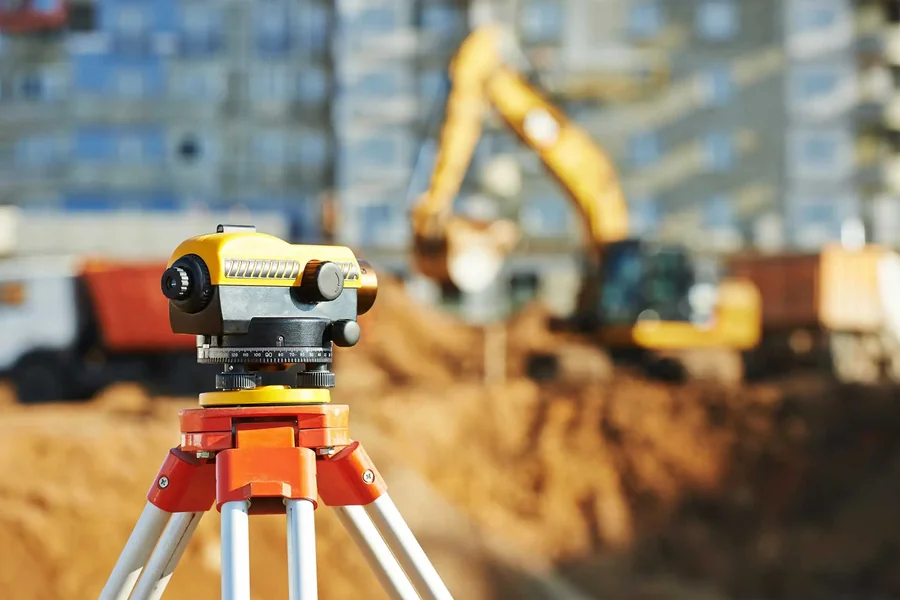
One of the most important responsibilities of a surveyor is determining exact property boundaries. Developers must know precisely where their land begins and ends before construction starts. A professional surveyor uses advanced equipment such as GPS systems, laser technology, and mapping software to establish these boundaries with accuracy.
Without proper surveying, developers risk building structures on neighboring property or violating setback requirements. Even a small error in measurements can lead to lawsuits, project delays, or the removal of completed structures. Accurate boundary surveys protect developers from these expensive problems and ensure that projects begin on legally secure ground.
Surveyors Help Avoid Legal Disputes
Boundary disagreements are common in real estate and land development. Neighboring property owners may challenge property lines, easements, or access rights if accurate surveys are not completed. These disputes can create serious delays and increase legal expenses.
Good surveyors help developers avoid these situations by verifying legal property descriptions and ensuring that all records align with official documents. Their work provides clear evidence of ownership and property dimensions, reducing the likelihood of future legal conflicts. In many cases, a reliable survey can settle disputes before they escalate into court cases.
Understanding the Land Before Construction Begins
Successful development requires a complete understanding of the physical characteristics of a site. Surveyors conduct topographic surveys that identify slopes, elevations, drainage patterns, trees, utilities, and other natural or man-made features. This information is essential for architects and engineers when designing buildings, roads, and infrastructure.
For example, land with steep slopes may require grading or retaining walls before construction can begin. Areas with poor drainage may need stormwater management systems to prevent flooding. By identifying these issues early, surveyors help developers avoid unexpected construction costs and engineering problems later in the project.
Surveyors Support Environmental Planning
Environmental concerns are becoming increasingly important in modern development projects. Many areas have strict regulations regarding wetlands, flood zones, protected habitats, and water management. Surveyors provide accurate elevation and land-use data that help developers comply with these regulations.
In flood-prone regions, surveyors determine whether a property lies within a floodplain and identify elevation requirements for construction. This information protects future buildings from water damage and helps developers avoid regulatory penalties. Environmental planning based on accurate survey data also supports safer and more sustainable communities.
Ensuring Compliance with Zoning and Regulations
Every city or municipality has zoning laws and development regulations that control how land can be used. These rules may include building setbacks, road access requirements, utility easements, parking regulations, and height restrictions. Developers who fail to comply with these regulations can face permit denials, fines, or project shutdowns.
Professional surveyors help developers meet these requirements by preparing accurate site plans and legal descriptions. They often work closely with local governments, engineers, and attorneys to ensure that all project details comply with local standards. Their expertise helps developers move through the approval process more efficiently and avoid unnecessary setbacks.
Construction Accuracy Depends on Surveying
Surveyors continue to play an important role even after construction begins. Construction staking and layout services ensure that buildings, roads, pipelines, and utilities are placed exactly where they were designed to be. Contractors rely on surveyors to mark precise locations and elevations throughout the construction process.
If measurements are incorrect during construction, the consequences can be severe. Roads may not align properly, utility systems may fail, and buildings may violate zoning requirements. Correcting these errors after construction has started can cost large amounts of money and delay project completion. Good surveyors help ensure that every part of the project is built accurately from the start.
Modern Technology Improves Surveying Accuracy
Today’s surveyors use advanced technology that provides faster and more accurate results than ever before. Tools such as drones, laser scanners, GPS systems, and geographic information systems allow surveyors to collect detailed data efficiently. These technologies improve precision while reducing the risk of human error.
Developers benefit greatly from working with surveyors who use modern equipment and digital mapping systems. Accurate digital models help developers visualize projects, improve planning, and make informed decisions. Advanced surveying technology also speeds up project timelines by providing reliable information quickly.
Surveyors Help Protect Financial Investments
Land development projects often involve significant financial investments. Developers, lenders, investors, and insurance companies all depend on accurate surveys before approving financing or construction plans. Survey reports provide important documentation that confirms property boundaries, easements, and site conditions.
Incomplete or inaccurate surveys can create uncertainty that delays financing or increases project risks. Good surveyors help protect investments by providing dependable information that financial institutions can trust. Their work gives developers confidence that projects are legally secure and properly planned.
Maximizing the Value of the Property
Experienced surveyors can also help developers maximize the value of a property. By analyzing land features, access points, utility locations, and property divisions, surveyors can identify opportunities for more efficient land use. Better site planning can improve traffic flow, increase usable space, and create more attractive layouts for buyers or tenants.
A well-planned development is more likely to succeed financially and maintain long-term value. Surveyors contribute to this success by ensuring that the land is used as effectively as possible while meeting all legal and engineering requirements.
Strong Communication Keeps Projects Moving
Land development involves many professionals working together, including architects, engineers, contractors, government officials, and property owners. Surveyors often act as a central source of technical information that supports communication among these groups.
Good surveyors explain measurements, maps, and legal descriptions clearly so that everyone involved understands the project accurately. Their ability to provide reliable information helps prevent misunderstandings, reduces delays, and keeps development projects moving forward efficiently.
Conclusion: Surveyors Are Essential to Development Success
Good surveyors are far more than technical specialists measuring land. They are essential partners in every stage of the land development process. From establishing accurate property boundaries to supporting environmental planning, legal compliance, and construction accuracy, surveyors provide the information developers need to build successfully.
Without reliable surveying, even the best development plans can face serious problems. Legal disputes, construction errors, regulatory violations, and unexpected costs can quickly threaten a project’s success. By investing in skilled surveyors, land developers protect their investments, improve efficiency, and create stronger, safer, and more valuable developments.
