

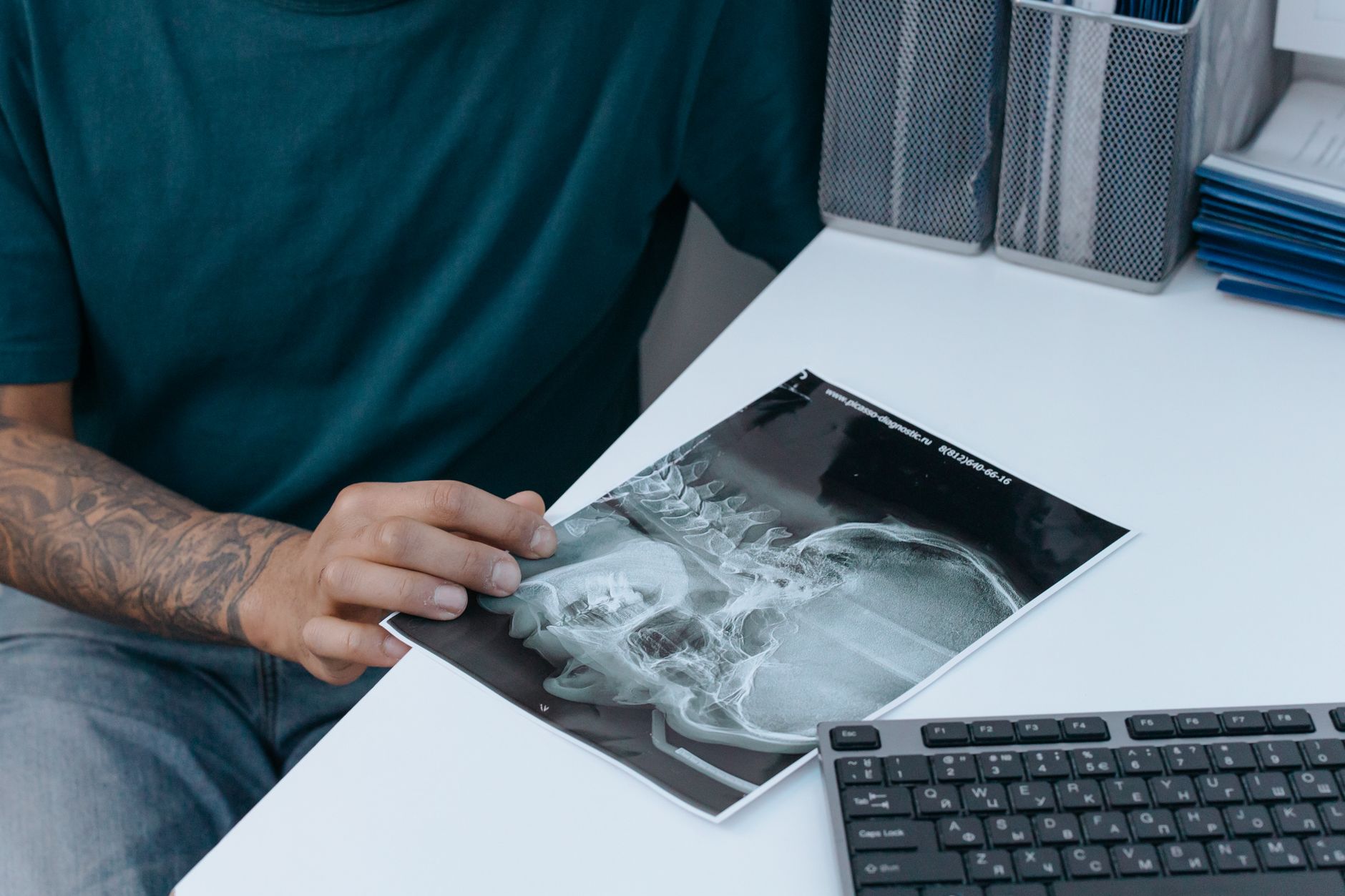
You might be looking at old photos, a child’s changing smile, or your own bite in the mirror and wondering when things started to shift. Maybe the teeth seem crowded now, the jaw looks a little off, or breathing and chewing do not feel as easy as they should. When that happens, it is easy to think orthodontic records are just paperwork or pictures taken before braces. They are much more than that. A Zionsville orthodontist can use them to show how the face and teeth have grown over time, where problems began, and what kind of care may help next.
That matters because growth does not happen in one straight line. The teeth erupt, the jaws change shape, habits affect bite patterns, and even airway or oral health issues can leave clues. In simple terms, orthodontic records and facial growth are closely connected. Records help an orthodontist see the story behind the smile, not just the smile itself.
Why Do Orthodontic Records Matter So Much for Facial and Dental Development?
If you have ever been told, “We need records first,” you may have wondered why that step takes time. The reason is simple. A quick glance at the teeth can miss the bigger picture. Orthodontic records often include photos, X-rays, digital scans, bite records, and growth measurements. Together, they help show whether the issue is tooth position, jaw development, or both.
Without that full view, treatment can become guesswork. A child with crowding may not just need space for teeth. They may also have a narrow upper jaw or a bite pattern that is changing the way the face develops. An adult with wear on the front teeth may not just have cosmetic concerns. They may have a bite imbalance that has been building for years. Because of this, records are not just a starting point. They are evidence.
Research on craniofacial growth has long shown that timing matters, especially while children and teens are still developing. Studies available through PubMed Central on craniofacial development and orthodontic assessment support the value of tracking growth patterns rather than judging a case from a single moment in time. So, where does that leave you? It means the record set can help answer one of the biggest questions families ask, which is whether a problem is staying the same or getting worse.
What Can an Orthodontist Learn from These Records That You Cannot See at Home?
A lot, honestly. At home, you may notice crooked teeth or a shifting bite. An orthodontist can use records to measure jaw relationships, eruption patterns, asymmetry, spacing, crowding, and signs of delayed or altered growth. That is where dental development records become useful. They turn observations into measurable facts.
For example, what if a child’s top teeth stick out? That could be from thumb sucking, jaw position, tooth angle, or a mix of all three. What if the lower jaw seems small? Records may show whether it is truly underdeveloped or whether the upper jaw is positioned in a way that makes the profile look different. Those details shape treatment choices and timing.
There is also a broader health angle. The National Institute of Dental and Craniofacial Research notes in Oral Health in America that oral conditions can affect function, comfort, and quality of life across the lifespan. In other words, this is not only about looks. It is about how the mouth works, how the jaws fit, and how growth may support or strain daily life.
How Do Orthodontic Records Help with Better Treatment Decisions?
When records are complete, treatment planning gets clearer. That can reduce wasted time, limit avoidable changes in plan, and help set more realistic expectations. It also helps families understand whether the goal is to guide growth, move teeth, protect the bite, or combine all three.
One review in PubMed on orthodontic diagnostic records and treatment planning highlights how proper records improve diagnosis and support sound clinical decisions. That matters because two people can have similar looking teeth but very different underlying causes. One may need early interceptive care. Another may do better waiting until more permanent teeth erupt. Another may need only monitoring.
This is where an orthodontic growth assessment becomes so useful. It can reveal whether treatment should begin now, later, or in phases. It can also help explain why one person’s plan includes expansion while another person’s plan focuses on alignment alone.
What Practical Clues Do Different Orthodontic Records Provide?
It helps to know what each record is actually for. When you understand that, the process feels less mysterious and more purposeful.
|
Type of Record |
What It Shows |
Why It Matters |
|
Clinical photos |
Smile shape, facial balance, profile, tooth display |
Helps compare appearance over time and spot changes in facial development |
|
Digital scans or models |
Tooth position, spacing, crowding, arch shape |
Gives precise measurements and helps track movement or growth |
|
X-rays |
Tooth roots, unerupted teeth, jaw structure, bone support |
Reveals issues that cannot be seen by looking in the mouth alone |
|
Bite records |
How upper and lower teeth fit together |
Shows function, wear risk, and jaw relationship |
|
Growth analysis |
Direction and stage of facial and jaw development |
Guides timing, especially for children and teens |
When these pieces are reviewed together, the pattern becomes clearer. That is the real value of seeing an orthodontist instead of relying on what the eye alone can catch.
What Can You Do Right Now If You Are Concerned About Development?
1. Gather a timeline. Look at old photos, dental visits, and any past X-rays or notes. Even simple changes in smile width, crowding, or profile can help show when a shift began.
2. Ask specific questions at the consultation. Instead of asking only whether braces are needed, ask what the records show about jaw growth, bite function, and treatment timing. That can lead to clearer, calmer decisions.
3. Think beyond straight teeth. Ask how the plan supports facial balance, chewing, long term stability, and overall oral health. Good orthodontic care should look at the whole picture, not only alignment.
When You Understand the Records, the Next Step Feels Less Overwhelming
If all of this has felt confusing, that is understandable. Most people do not think about growth patterns, jaw relationships, or bite development until something starts to feel off. The good news is that orthodontic records can turn uncertainty into a clearer path. They help explain what has changed, what may change next, and what kind of orthodontist care makes sense for you or your child.
You do not have to figure it out by guesswork. A careful review of records can give you answers, options, and a better sense of timing. If you are concerned about facial or dental development, schedule an evaluation with an orthodontist and ask for a full record based assessment.
