

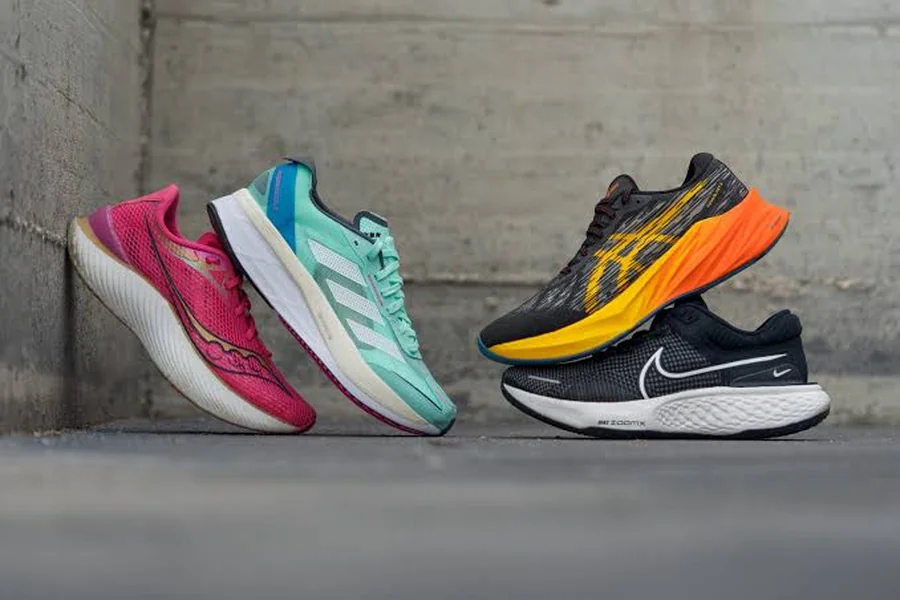
They can look almost the same on a shelf. A running shoe and a regular casual shoe, both laced, both cushioned, both sporty. But run a few kilometres in the wrong one and your knees, shins, and arches will tell you the difference fast. A running shoe is engineered for one repeated motion. A regular shoe is built to look good and walk around in.
This guide explains what actually separates running shoes for men from regular shoes, and why it matters for your feet.
Why Does the Difference Between the Two Matter?
Running is not just fast walking. Each stride lands with several times your body weight, over and over. A shoe built for that impact protects you. A shoe that only looks the part does not. Wearing the wrong type is one of the most common reasons new runners pick up aches and blisters, so the distinction is worth understanding before you buy.
What Makes Running Shoes for Men Different?
A proper running shoe is a piece of engineering aimed at one job. Every part is tuned for the forward, repeated impact of a run. Here is what sets running shoes for men apart from a regular pair.
Cushioning Tuned for Impact
The midsole in a running shoe is built to absorb heavy, repeated landings and return some energy on toe-off. Regular shoes have softer, simpler cushioning meant for casual walking, not the pounding of a run.
A Sole Built for Forward Motion
A running outsole flexes where your foot bends and grips for straight-line movement. The tread is designed for roads and tracks. A regular shoe’s sole is made for slow, all-direction walking, so it wears fast and grips poorly at running pace.
A Lightweight, Breathable Structure
Running shoes use light foams and breathable mesh uppers to keep you cool and reduce the effort of lifting your feet thousands of times. Regular shoes often use heavier materials chosen for looks or everyday durability, not speed.
What Are Regular Shoes Actually Built For?
Regular shoes are not worse; they are built for a different job. Knowing what they do well helps you use each pair for the right purpose.
Everyday Style and Comfort
A casual or lifestyle shoe is designed to look good with daily outfits and stay comfortable for walking, standing, and general wear. That is exactly what most of your day asks for.
All-Round Daily Use
Regular shoes handle the commute, the college walk, and the weekend outing well. They are versatile for daily life, but that all-round design is why they fall short when you push into a real run.
Running Shoes vs Regular Shoes: How Do They Compare?
Put them side by side, and the split is clear. Each is built for a different job, and using the right one protects your feet. The table below sums up the difference.
| Factor | Running Shoes | Regular Shoes |
| Built for | Repeated running impact | Daily wear and walking |
| Cushioning | Impact-absorbing, energy return | Soft, casual comfort |
| Sole | Flexes and grips for forward motion | All-direction, casual grip |
| Weight | Light, run-focused | Varies, style-focused |
| Best use | Runs, jogs, gym cardio | Commute, casual outings |
In summary, if you run regularly, a dedicated running shoe protects you in a way a regular shoe cannot. For everyday wear, a casual shoe is the comfortable, versatile choice.
Do Heavier Runners Need Something Different?
Weight changes the maths. More body weight means more force through each stride, so heavier runners feel the shortcomings of a regular shoe even faster. The best men’s running shoes for heavy runners add extra cushioning, a supportive and stable structure, and a durable build that resists breaking down. A firm, well-built running shoe handles the added load and protects the joints far better than a soft casual pair.
For daily-wear pairs alongside your running shoes, the men’s footwear range covers casual and sport.
Can One Pair Do Both Jobs?
It is a fair question, especially on a budget. The honest answer is that a running shoe can double as a casual shoe better than a casual shoe can double as a running shoe. A running shoe is happy on a walk to the market, though its sporty look may not suit every outfit. A regular shoe, on the other hand, struggles the moment you push it into a real run.
- Running shoe as daily wear: Comfortable for walking and errands, just check the style suits your outfit.
- Regular shoe for running: Fine for a rare short jog, but not for regular runs, where it offers too little protection.
- The value move: If you run even a couple of times a week, a dedicated running pair plus a simple casual pair beats forcing one shoe to do both.
So if you run at all regularly, two purpose-built pairs serve you better than one compromise. Each lasts longer doing the job it was made for.
Pick the Shoe That Matches the Job
The honest takeaway is simple. Running shoes for men and regular shoes are built for different things, and the right choice depends on what you are doing. Run in a running shoe, walk and style in a regular one, and your feet stay comfortable and protected either way.
Asian Footwears builds men’s sports and running shoes for Indian roads and runners, with cushioning tech, supportive structure, and durable builds at a value price. Every pair comes with Free Delivery, Hassle-Free Returns, and Asian Flash 60-minute delivery in supported pincodes.
View the men’s sports shoe range and pick a pair built for the way you move. Shop Now and become an AsianRider today.
FAQs
What is the difference between running shoes and regular shoes?
Running shoes are engineered for repeated forward impact, with impact-absorbing cushioning, a flexible grippy sole, and a light breathable build. Regular shoes are made for daily wear and casual comfort. Use a running shoe to run and a regular shoe for everyday wear.
Can I use regular shoes for running?
For a short, occasional jog, they will do, but regular shoes lack the cushioning and sole design that running demands. Over regular runs, they offer less protection, which can lead to aches and faster wear. A dedicated running shoe is the safer choice.
What are the best running shoes for men for daily runs?
Look for a cushioned, responsive midsole, a grippy, flexible sole, a breathable upper, and a secure fit. Match the pair to your mileage and weight. A durable, supportive running shoe handles daily runs on Indian roads best.
Which running shoes are best for heavy runners?
Heavier runners should choose extra cushioning, a supportive, stable structure, and a durable build that resists breaking down. A firmer, well-built running shoe absorbs the added impact and protects the joints better than a soft, thin casual pair.
Are men’s sports shoes the same as running shoes?
Not always. Sports shoes are a broad label covering running, training, and gym shoes. A running shoe is a specific type tuned for forward impact. If your main activity is running, choose a shoe built specifically for it rather than a general sports pair.
