

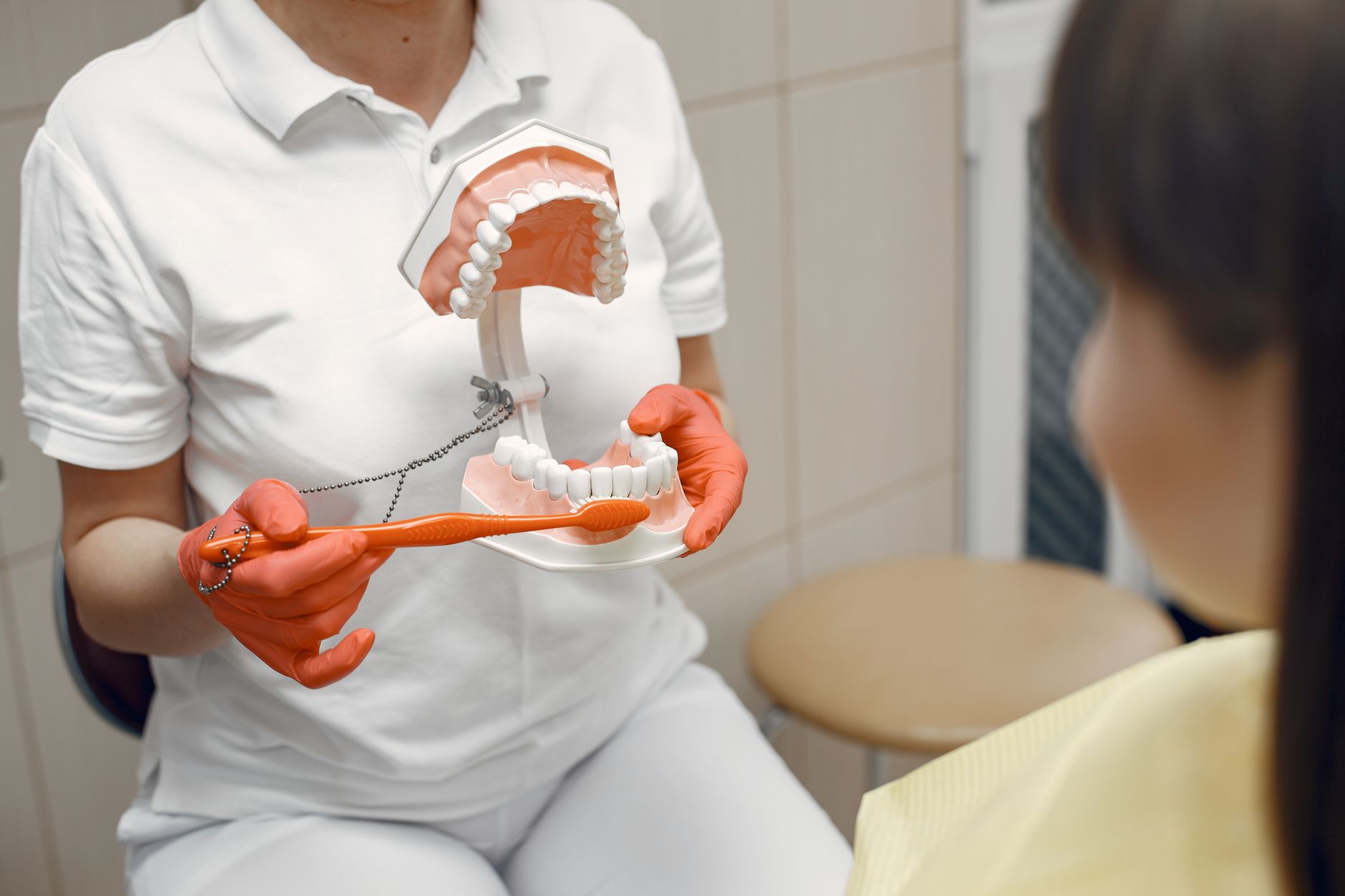
The Connection Between Pediatric Oral Health And Overall Wellness
You brush their teeth, remind them about flossing, and still wonder if you are doing enough. A small cavity can feel like a small problem until your child stops eating on one side, wakes up at night, or dreads the next dental visit. Many parents carry that quiet worry, which is why families often turn to pediatric dentists in New Lenox, IL, because the mouth does not sit apart from the rest of the body. It affects sleep, nutrition, speech, comfort, and confidence, all at once.
The link between children’s dental health and overall wellness is direct. Healthy teeth and gums help your child chew well, speak clearly, sleep better, and avoid pain that spills into school, mood, and daily life. When oral problems are ignored, the effects tend to spread. A trusted pediatric dentist can catch small issues early, guide home care, and help protect your child’s health in ways that reach far beyond a smile.
Children do not always say, “My tooth hurts.” They may avoid cold foods, chew slowly, act irritable, or struggle to focus in class. That is part of why the connection between pediatric oral health and overall wellness matters so much. Pain in the mouth can change how a child eats, sleeps, and behaves long before a parent sees a visible problem.
Tooth decay is one of the most common chronic conditions in childhood, and it is not just about teeth. When chewing hurts, kids may choose softer, less nutritious foods. When sleep is interrupted by dental pain, mornings get harder and school becomes a struggle. Speech can also be affected when dental development is off or front teeth are damaged. Confidence takes a hit too, especially when children feel embarrassed about bad breath, visible decay, or missing teeth.
The broader public health picture supports this. The CDC explains that oral health is part of overall health, not a separate issue, and outlines how prevention supports better outcomes across a child’s development. You can review that guidance on the CDC’s page about oral health and whole body health.
Untreated dental problems often grow into bigger wellness issues
A spot on a tooth may not look urgent, which is why many families wait. Sometimes life is just full. Schedules pile up, a child seems fine, and the problem gets pushed to next month. Then next month turns into a toothache, missed school, or an infection that needs more treatment and more money.
That pattern is common because dental disease often starts quietly. Plaque builds up, enamel weakens, and decay moves deeper. Gum irritation can begin with bleeding during brushing and later turn into chronic inflammation. In younger children, severe decay can even affect how permanent teeth come in. The cost of waiting is not only financial. It can mean more fear, more discomfort, and more complicated care for your child.
Researchers have also looked at oral health across the lifespan and found that oral conditions can shape quality of life, social well-being, and access to care. The National Institute of Dental and Craniofacial Research discusses this in Oral Health in America. For parents, that means one practical truth. Early prevention is usually easier on your child than delayed treatment.
Prevention and pediatric dentistry reduce pain, stress, and avoidable costs
Pediatric oral health and overall wellness improve when care is steady instead of crisis driven. A pediatric dentist looks at more than cavities. Visits often include checks on bite development, gum health, brushing habits, fluoride needs, and risk factors that change with age. That kind of care helps you adjust before a small issue becomes a bigger one.
Home care matters just as much. Brushing twice a day with fluoride toothpaste, limiting frequent sugary snacks and drinks, and keeping regular dental visits are proven basics. The CDC offers practical oral health tips for children that families can use right away.
This is where a pediatric dentist becomes part of your child’s support system, not just someone you call when there is pain. Children who feel safe at the dentist are more likely to build healthy habits, and those habits tend to carry into adolescence and adulthood.
Daily habits and professional care offer different kinds of protection
|
Approach |
What It Helps With |
Limits |
Likely Result |
|
Home brushing and flossing |
Reduces plaque, supports gum health, lowers cavity risk |
May miss early decay, bite issues, or weak spots between teeth |
Strong daily protection when done well and consistently |
|
Diet changes at home |
Reduces sugar exposure, supports enamel, improves nutrition |
Does not reverse existing decay or treat pain |
Lower risk of future problems |
|
Regular visits with a pediatric dentist |
Finds early problems, tracks growth, provides cleanings and preventive care |
Needs follow through at home to work best |
Fewer surprises, earlier treatment, less stress over time |
|
Waiting until pain appears |
None beyond delaying the appointment |
Problems are often larger, more painful, and more costly by then |
Higher chance of urgent treatment and missed school or sleep |
Small steps taken now can protect your child’s overall health
1. Check for quiet warning signs. Look for bleeding gums, white or brown spots on teeth, bad breath that does not go away, chewing on one side, or complaints about sensitivity. Kids often adapt to discomfort, so behavior changes can tell you as much as words.
2. Tighten the home routine. Brush twice a day with fluoride toothpaste, help younger children reach every surface, and keep sugary drinks and sticky snacks from becoming all day habits. Water between meals does more good than many parents realize.
3. Schedule preventive dental care before there is a problem. A routine visit gives you a clearer picture of your child’s risk, development, and next steps. It also helps your child see dental care as normal, not something tied only to pain.
Healthy mouths support healthier children
If you have been wondering whether a small dental issue can affect the rest of your child’s well-being, the answer is yes. Oral health affects comfort, sleep, eating, learning, and confidence in ways that show up every day. The good news is that steady habits and early care make a real difference. If your child is due for an exam or you have noticed signs that something is off, schedule a visit with a pediatric dentist and get ahead of the problem before it grows.
