

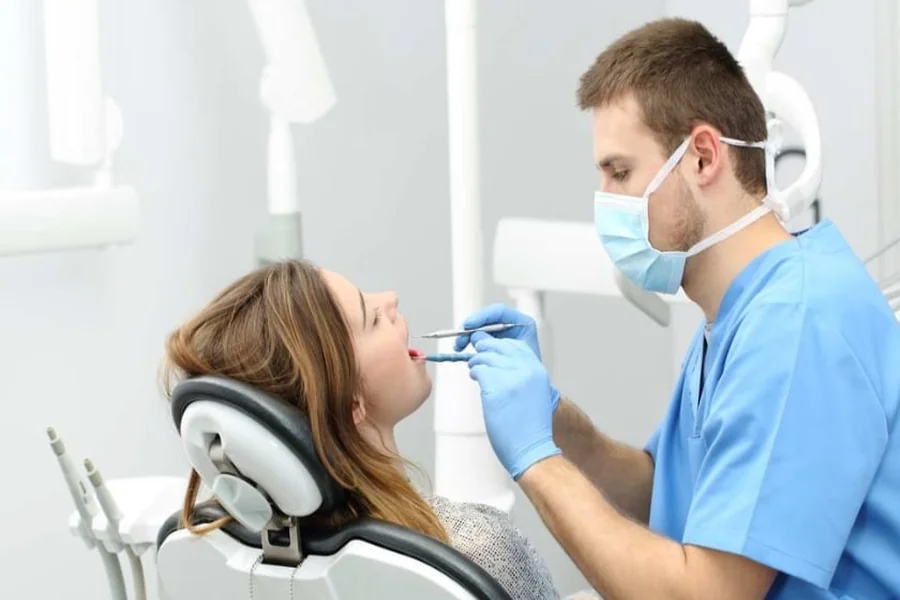
You book a dental visit at suncreekdental.com, then the thoughts start. Will they find something expensive? Will it hurt? Have you waited too long? That low grade stress is common, especially if life got busy and your last checkup slipped further back than you meant it to.
A dentist appointment is usually more routine than your mind makes it feel. Most visits are built around a few basics: checking your teeth and gums, looking for early signs of trouble, cleaning away buildup, and talking through anything that feels off. If you know what happens before you walk in, it gets easier to ask the right questions, understand the plan, and avoid surprises.
Dental visits catch small problems before they grow
Many people wait until there is pain. That makes sense in the moment. If nothing hurts, it is easy to assume nothing is wrong. Teeth and gums do not always work that way. Cavities can start quietly. Gum disease can build with little warning. A cracked filling may not bother you until it turns into a sharp, expensive problem.
That is why regular exams matter. During a dental appointment, your provider checks for decay, gum inflammation, loose restorations, bite issues, and signs of oral cancer. A standard exam may also include X rays when needed. MedlinePlus explains what happens during a dental exam and why these visits help spot issues early.
The stress often comes from not knowing what the visit will lead to. Maybe you are worried they will recommend deep cleaning, fillings, or follow up imaging. Maybe money is tight and you do not want to hear a long list of treatment needs. That fear can keep you away longer, which usually raises the odds that a simple fix turns into a larger one.
A routine dentist checkup gives you a clearer picture of where things stand right now, not where you fear they might be. If there is a problem, catching it early often means fewer visits, less discomfort, and lower cost.
What to bring and what to mention at your dentist appointment
Preparation helps more than people think. If you are seeing a new provider, bring your ID, insurance card if you have one, a list of medications, and any recent dental records or X rays if they were sent to you. If you are going back to a familiar office, update them on health changes, even if they seem unrelated.
Your mouth reflects the rest of your health. Diabetes, pregnancy, dry mouth, acid reflux, jaw clenching, and some medications can all affect your teeth and gums. If your gums bleed when you floss, if one side of your mouth hurts when you chew, or if you wake up with jaw tension, say it plainly. Small details help your dentist connect the dots.
It also helps to mention anxiety upfront. You do not need to hide it or act relaxed. If cleanings make you tense or past experiences were rough, say so before the exam starts. Offices can often slow the pace, explain each step, use numbing options when appropriate, and help you feel more in control.
Skipping preventive care often costs more later
People sometimes compare the cost of an exam and cleaning to doing nothing for a while. On paper, delaying may feel cheaper. In real life, delay can turn plaque into tartar, gingivitis into gum disease, and a small cavity into a root canal or crown.
| Situation | What it often looks like | Likely result |
|---|---|---|
| Routine preventive visit | Exam, cleaning, X rays if needed, home care advice | Early detection and lower chance of major treatment |
| Delayed visit with mild symptoms | Occasional sensitivity, bleeding gums, bad breath | Possible fillings, deeper cleaning, closer follow up |
| Waiting until pain is constant | Toothache, swelling, broken tooth, trouble chewing | Higher chance of root canal, crown, extraction, or urgent care |
Prevention at home matters too. The CDC shares practical oral health tips for adults, including brushing twice a day with fluoride toothpaste, cleaning between teeth daily, avoiding tobacco, and limiting sugary foods and drinks. Those habits support what happens in the chair, but they do not replace professional care.
Knowing what may happen during a dental checkup lowers anxiety
A typical visit often starts with health history updates and any concerns you have noticed. A hygienist may clean your teeth by removing plaque and tartar, then polish and floss. The dentist examines your teeth, gums, tongue, bite, and other tissues in your mouth. If you need treatment, you may hear terms like watch area, early cavity, gum pocket, or restoration.
None of that automatically means something is wrong in a big way. Sometimes the recommendation is simply to monitor a spot, improve brushing around one area, or come back on a normal schedule. Even when work is needed, you can ask for a clear breakdown. What needs attention now? What can wait? What are the options? What is the cost range? Those questions are reasonable, and they protect you from walking out confused.
Dental care works best when you understand the plan and feel able to take part in it.
Three steps to take before your next dentist visit
Write down symptoms and questions. If a tooth only hurts when you drink something cold, if floss catches in one spot, or if your gums bleed at night, note it before the visit. Small patterns are easy to forget once you sit in the chair.
Review your insurance or payment options. If cost is a concern, call ahead and ask what the exam includes, whether X rays are separate, and what payment plans are available. That one phone call can remove a lot of dread.
Brush and floss, but do not try to hide anything. Clean your teeth as you normally would before the appointment. Do not scrub hard or panic floss for the first time in months. Your provider is there to assess your oral health, not judge you.
Your next dental appointment can feel more manageable
If you have been putting off a visit, you are not the only one. Fear, time, and money stop people every day. Still, knowing what to expect before your next dental appointment can turn a vague worry into a plan. You go in informed, you speak up about symptoms, and you leave with a clearer sense of what your mouth needs.
Take the next step and schedule your visit when you are ready. A calm, informed appointment is a lot easier than carrying the stress of not knowing.
