

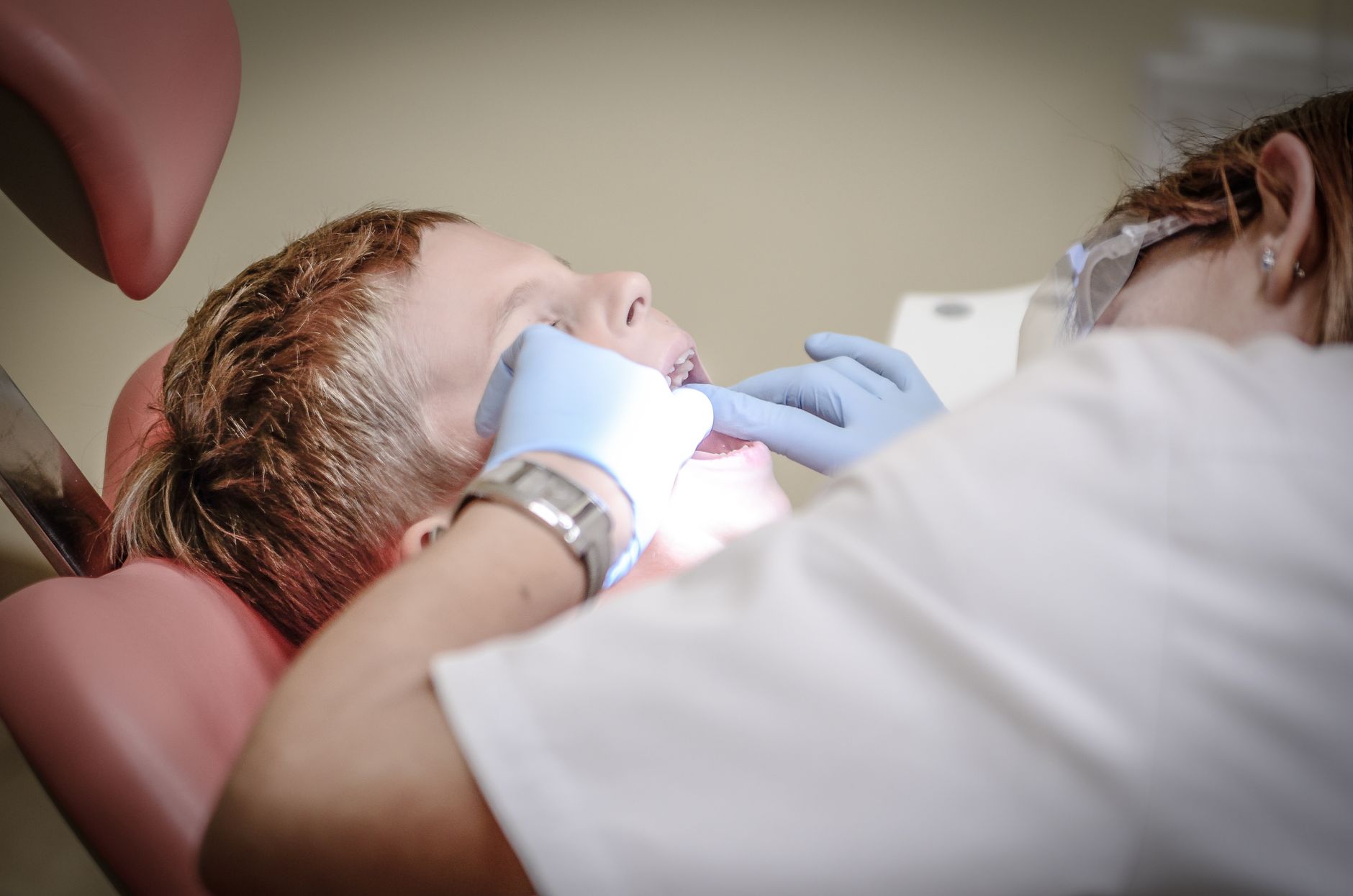
You notice it at meals first. Your child keeps food on one side, avoids certain textures, or turns their head a little as they chew. It can look like a habit, but when it keeps happening, it starts to nag at you. You may wonder whether it means pain, a bite problem, or something deeper that your child cannot explain yet. A pediatric dentist in Westchester can help determine what may be causing it.
That concern makes sense. Chewing on one side is sometimes mild and temporary, especially after a loose tooth, a sore spot, or recent dental work. It can also point to a problem with tooth alignment, jaw function, muscle tension, or discomfort in the mouth. A pediatric dentist looks at the pattern, the bite, the jaw joints, and your child’s dental history to figure out whether this is a phase or a sign that needs treatment.
One sided chewing can signal pain, bite changes, or jaw strain
Children rarely say, “My jaw feels off when I chew.” They show it in small ways. They chew only on the right. They stop eating crunchy foods. They complain that one side feels weird. Sometimes there is no complaint at all, just a pattern you keep seeing.
That pattern matters because the body adapts fast. If one side hurts, your child shifts chewing to the easier side. If the teeth do not meet evenly, the jaw may slide into a position that feels more stable. If a cavity, cracked filling, sore gum, erupting tooth, or crossbite is present, one sided chewing can become the child’s workaround.
When that continues, the “good” side can take on extra work. The jaw muscles may get tight. The bite can feel less balanced over time. In some children, the jaw joint becomes irritated. The American Academy of Pediatric Dentistry explains that temporomandibular disorders in children and adolescents can involve joint sounds, pain, limited opening, and muscle tenderness. Their guidance on temporomandibular disorders in children and adolescents helps frame why a chewing pattern deserves a closer look.
This is where How Pediatric Dentists Evaluate Children Who Chew Mostly On One Side becomes more than a simple exam question. The goal is not just to stop the habit. The goal is to find out what the child is avoiding and why.
A pediatric dentist checks the teeth, bite, muscles, and jaw movement together
A good evaluation starts with history. The dentist asks when the one sided chewing began, whether it followed a fall, a filling, orthodontic changes, or a loose tooth, and whether your child has headaches, jaw popping, ear pain, or trouble opening wide. Sleep habits, clenching, nail biting, and stress can matter too.
Then comes the exam. The teeth are checked for cavities, wear, fractures, mobility, gum irritation, and spots where food packs in. The bite is observed at rest and in motion. The dentist watches how your child opens, closes, and shifts the jaw side to side. They may feel the chewing muscles and jaw joints to see whether one side is tender or overactive.
If your child says one side “just feels better,” that still gives useful information. A child who avoids one side without obvious pain may have an early bite interference or a developing jaw habit. A child who suddenly switches sides after chewing normally for years may have a more immediate source of discomfort.
Sometimes imaging is needed. Bitewing or panoramic X rays can help reveal cavities between teeth, eruption issues, missing teeth, or other structural causes. If jaw joint symptoms are present, the dentist may decide whether monitoring, referral, or added imaging makes sense.
This kind of evaluation of one sided chewing in children is less about one isolated symptom and more about how the whole system works together.
Short term habits and lasting problems do not look the same in the dental chair
A child favoring one side for a week during a loose tooth stage is different from a child who has done it for six months and now reports jaw fatigue. Duration changes the picture. So does age. Younger children may have shifting bite patterns as teeth erupt. Older children and teens may show signs of grinding, sports injury, or joint irritation.
What if the issue is ignored because your child is still eating well? That happens often. Kids adapt. They chew slower, avoid tougher foods, and keep going. The problem does not always announce itself with major pain. MedlinePlus notes that temporomandibular joint disorders can cause jaw pain, clicking, headaches, and trouble chewing, but symptoms vary. Mild signs can still deserve attention when the pattern is persistent.
Practical differences between temporary chewing habits and problems that need treatment
| What you notice | Often temporary | Needs a pediatric dentist exam soon |
| Chewing on one side for a few days | Loose tooth, recent dental work, mild mouth sore | Lasts more than 1 to 2 weeks |
| No complaint of pain | Brief habit during tooth eruption | Pattern is constant or getting stronger |
| Food avoidance | Avoiding one sore area temporarily | Refuses crunchy, chewy, or cold foods regularly |
| Jaw sounds | Occasional click without pain | Clicking with pain, locking, or limited opening |
| Facial or jaw fatigue | Rare after a long meal | Frequent soreness, headaches, or muscle tightness |
Track the pattern before the appointment
Notice which side your child uses, what foods trigger the behavior, and whether there is pain, clicking, or food refusal. A few notes on your phone help more than trying to remember details later. If the pattern started after a fall, filling, or orthodontic change, write that down too.
Look for related signs outside mealtime
Jaw rubbing, headaches, cheek biting, slow chewing, mouth opening limits, and waking with facial soreness can all add context. These signs help a pediatric dentist tell the difference between a passing habit and a functional problem.
Schedule an exam if the pattern persists
If your child chews mostly on one side for more than a week or two, or if pain, swelling, clicking, or food avoidance shows up, book a visit. Early evaluation can prevent a small issue from turning into ongoing discomfort or a harder to break chewing pattern.
Children chewing on one side is not always serious, but it should not be brushed off when it keeps happening. You are not overreacting by paying attention. A careful exam can show whether the cause is simple, temporary, or something that needs treatment, and that clarity usually brings relief for both you and your child.
