

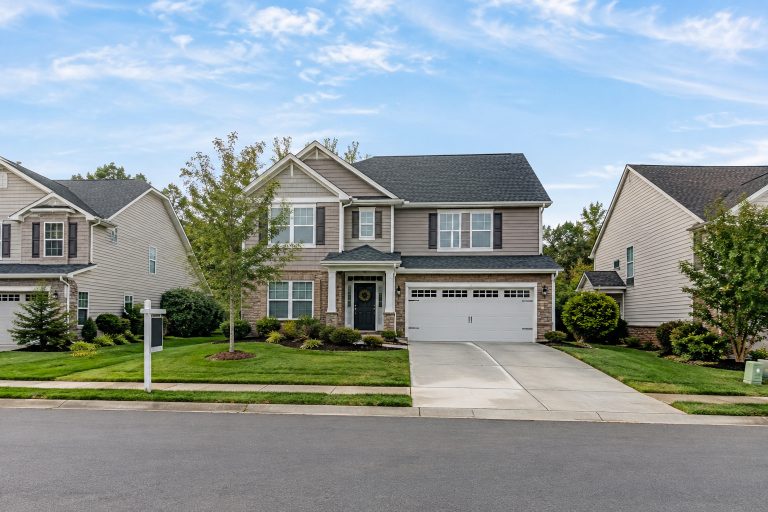
Selling a home is not one decision. It is a sequence of choices about timing, price, preparation, and risk. Before listing, homeowners can use Kelley Blue Book Homes seller resources to start organizing a value estimate and a practical plan for the move ahead.
The strongest selling strategy is the one that fits your actual priorities. Some owners need speed because of a job transfer or a completed purchase. Others can wait for a broader market response. Begin with the outcome you want, then compare every decision against that goal.
Table Of Contents
- Start With A Clear Selling Goal
- Build A Realistic Home-Value Range
- Use Local Market Data, Not Guesswork
- Decide Which Repairs Are Worth Doing
- Compare Your Main Selling Options
- Estimate Costs And Net Proceeds
- Review Offers Beyond The Price
- Plan For Possible Tax Rules
- Create A Simple Selling Timeline
- Avoid Common Seller Mistakes
- Use A Home-Sale Checklist
Start With A Clear Selling Goal
Write down what matters most: the highest possible proceeds, a firm closing date, fewer showings, privacy, or greater confidence that the deal will close. A family relocating in 30 days may value a predictable closing more than a long marketing period. A homeowner downsizing without a deadline may be able to prioritize price and terms instead.
National reports can provide context, but your local market should guide the final plan. The 2026 home buyer and seller data can help frame broad buyer and seller behavior, while recent activity in your neighborhood shows the competition your home will actually face.
Build A Realistic Home-Value Range
Early in the process, a range of values is more useful than a single precise number. The range should be informed by recent comparable sales, often called comps, involving homes that are similar in location, size, layout, condition, and features. Active listings matter because they are your competition, but closed sales reveal what buyers have actually paid.
Value can shift with lot size, school access, nearby amenities, buyer demand, upgrades, and the property’s overall condition. Online estimates can be a helpful starting point, but they may not capture a renovated kitchen, an aging roof, an unusual floor plan, or a desirable street within the same ZIP code.
Use Local Market Data, Not Guesswork
Review sold, pending, and active homes near yours. Pay attention to days on market, sale-to-list-price ratios, available inventory, price reductions, and buyer concessions. Asking prices can indicate sellers' expectations, but they do not determine what buyers will pay.
Neighborhood-level information often matters more than national headlines. Two nearby areas can perform differently due to housing styles, commuting patterns, school boundaries, or the number of competing listings. Ask for data that closely matches your home rather than relying on broad metro averages.
Decide Which Repairs Are Worth Doing
Separate essential work from projects that are primarily cosmetic. Problems involving safety, water intrusion, major systems, insurance concerns, or likely financing and inspection issues deserve prompt attention. A full renovation, however, is not automatically the best way to improve proceeds.
Low-cost improvements can make a meaningful first impression. Consider deep cleaning, decluttering, touch-up paint, improved lighting, fresh landscaping, and replacing visibly worn hardware. Before approving a larger project, compare its cost, disruption, and likely appeal to the buyers in your price range.
Compare Your Main Selling Options
The three common paths are listing with an agent, selling by owner, and accepting a direct or cash offer. Each involves a trade-off among exposure, time, effort, negotiating responsibility, and certainty.
|
Option |
Potential Strength |
Primary Trade-Off |
|
Agent listing |
Broad marketing and guidance |
Preparation, showings, and fees |
|
For sale by owner |
More direct control |
Seller handles marketing and paperwork |
|
Direct or cash offer |
Convenience and speed |
May offer less than open-market value |
Compare estimated net proceeds, not just the headline offer. A lower offer with fewer repair requests, no financing contingency, and a closing date that fits your move may be preferable to a larger but riskier offer.
Estimate Costs And Net Proceeds
Your estimated net proceeds equal the sale price minus the mortgage payoff, selling costs, repairs, taxes, and other obligations. Common costs may include negotiated agent compensation, buyer credits, title and settlement charges, transfer taxes, moving, storage, and payoff-related charges.
For example, a $400,000 sale price is not a $400,000 payout. If the mortgage payoff is $220,000 and estimated selling, repair, and moving expenses total $40,000, the preliminary proceeds would be about $140,000 before any applicable taxes or additional obligations. Recheck this estimate whenever the price or contract terms change.
Review Offers Beyond The Price
The highest offer is not always the best offer. Compare financing type, down payment, earnest money, inspection rights, appraisal terms, seller credits, contingencies, and the proposed closing date. A buyer with strong financing and limited contingencies may pose less risk than a higher offer contingent on several uncertain events.
Read the full agreement, not just the offer amount. A qualified real estate or legal professional can help identify deadlines, disclosure duties, and obligations that could affect the sale.
Plan For Possible Tax Rules
Some homeowners may qualify to exclude some or all gain from the sale of a primary residence, but eligibility depends on ownership, use, filing status, and prior exclusions. The IRS guidance on selling a home and reporting potential gain explains the relevant tests and special situations.
Rental use, inherited property, divorce, business use, and major improvements can complicate the calculation. Keep records of qualifying improvements and consult a tax professional before assuming a general rule applies to your transaction.
Create A Simple Selling Timeline
- Four to eight weeks before listing: Set goals, gather records, review finances, and identify essential repairs.
- Two to four weeks before listing: Complete high-value preparation, study comparable sales, and select a selling method.
- Listing week: Finalize pricing, photos, disclosures, marketing, and showing availability.
- Offer and contract stage: Compare terms, track inspections, appraisal, title work, and deadlines.
- Closing: Review the settlement statement, confirm payoff figures, and coordinate the move.
Avoid Common Seller Mistakes
- Pricing from emotion instead of recent comparable sales.
- Treating the highest nearby listing as proof of value.
- Overspending on upgrades with limited buyer appeal.
- Ignoring carrying costs while waiting for a better offer.
- Accepting an offer without evaluating its financing and contingencies.
- Failing to disclose known property issues.
Use A 2026 Home-Sale Checklist
- Set a target date and define your primary selling goal.
- Establish a realistic value range based on comparable local sales.
- Calculate estimated net proceeds and update them as offers change.
- Choose the selling option that fits your timeline and risk tolerance.
- Complete repairs that support safety, financing, or first impressions.
- Gather mortgage, tax, insurance, title, and improvement records.
- Compare offers by contract strength and price.
- Allow extra time for closing, moving, and temporary housing if needed.
Conclusion
A successful home sale begins with a clear goal and a realistic view of the trade-offs. Sellers who use local data, make targeted preparations, compare net proceeds, and carefully review contract terms are better positioned to choose a path that supports their next move.
