

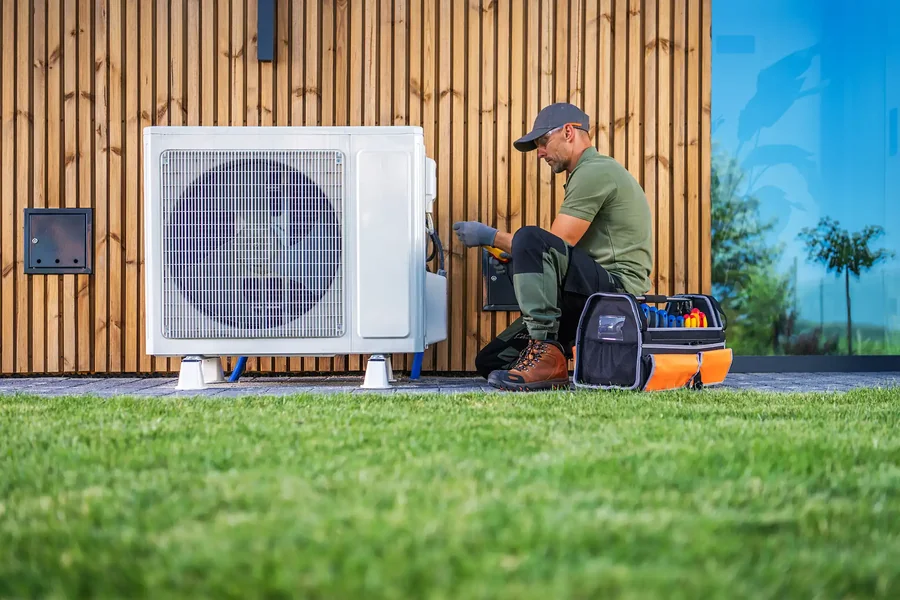
Air conditioning has become a crucial part of modern living, especially in regions with hot or humid climates. Choosing the right air conditioning system is not just about comfort—it can also significantly affect your energy bills, maintenance costs, and overall indoor air quality. With so many options available, understanding the different types of air conditioners, their advantages, and their limitations is essential for making an informed decision.
Central Air Conditioning Systems
Central air conditioning is a popular choice for homeowners who want to cool an entire house evenly. These systems work by circulating cooled air through a network of ducts and vents. For those looking for reliable and efficient air conditioning Sydney solutions, central systems provide consistent comfort throughout the home. Central air conditioners typically consist of an outdoor unit, which houses the compressor and condenser, and an indoor unit with an evaporator coil connected to the ductwork.
Advantages:
- Whole-home cooling: Central AC can cool multiple rooms at once, maintaining consistent temperatures throughout your home.
- Quiet operation: Most of the system’s noisy components are located outside, making indoor operation relatively quiet.
- Air filtration: Many systems include built-in air filters that help remove dust, allergens, and pollutants from the air.
Disadvantages:
- High installation cost: Installing central AC requires ductwork, which can be expensive, especially in homes without pre-existing ducts.
- Energy use: Duct losses can reduce efficiency, particularly in older or poorly insulated homes.
- Limited zoning: Unless you install additional zoning systems, you cannot easily cool individual rooms differently.
Central air is ideal for larger homes or spaces where consistent cooling is a priority, and where the upfront investment can be justified by long-term comfort and efficiency.
Ductless Mini-Split Systems
Ductless mini-split systems are a flexible alternative to central AC. They consist of an outdoor compressor unit connected to one or more indoor air-handling units, each mounted on a wall or ceiling. These systems do not require ductwork, which makes them easier and less expensive to install in homes without existing ducts.
Advantages:
- Zoning capability: Each indoor unit can be controlled independently, allowing for customized cooling in different rooms.
- Energy efficiency: Ductless systems avoid the energy losses associated with ductwork.
- Easy installation: The system requires only a small hole for refrigerant lines and electrical wiring.
Disadvantages:
- Visual impact: Indoor units are visible and may not blend with your interior design.
- Cost: The upfront cost per unit can be high, especially if multiple units are needed.
- Maintenance: Each indoor unit requires regular cleaning and filter maintenance.
Mini-splits are excellent for room additions, retrofits, or situations where duct installation is impractical. They are also highly efficient and suitable for homes where individual room temperature control is desired.
Window Air Conditioners
Window air conditioners are one of the most common and affordable cooling solutions for individual rooms. They are installed in a window or a specially designed wall opening and are ideal for small spaces.
Advantages:
- Low cost: Both the unit and installation are generally affordable.
- Compact design: Window ACs are self-contained, requiring no ductwork.
- Ease of removal: Units can be removed during cooler months to save energy.
Disadvantages:
- Limited cooling: They are designed for single rooms, making them impractical for whole-home cooling.
- Noise: Window units can be noisy because all components are contained in the same unit.
- Security and aesthetics: Installing a unit in a window can block views, reduce natural light, and pose a minor security risk.
Window ACs are ideal for renters or homeowners looking for a low-cost, temporary, or supplemental cooling option.
Portable Air Conditioners
Portable air conditioners are self-contained units that can be moved from room to room. They typically use an exhaust hose to vent hot air out of a window.
Advantages:
- Mobility: You can move the unit between rooms as needed.
- No permanent installation: Portable ACs don’t require a fixed installation, making them ideal for renters.
- Affordable: Many units are reasonably priced compared to central AC systems.
Disadvantages:
- Lower efficiency: Portable units are generally less efficient than other types of air conditioners.
- Noise and size: These units are usually bulkier and noisier than window or split systems.
- Vent requirements: You must position the unit near a window for proper exhaust, which can limit placement options.
Portable ACs work best for temporary cooling, supplemental cooling, or for spaces where window installation is not possible.
Evaporative Coolers (Swamp Coolers)
Evaporative coolers, commonly known as swamp coolers, use water evaporation to cool the air. These systems are highly effective in hot, dry climates.
Advantages:
- Energy efficiency: Evaporative coolers use significantly less electricity than traditional AC units.
- Humidifying effect: They add moisture to dry air, which can be beneficial in arid regions.
- Eco-friendly: They do not use refrigerants, making them more environmentally friendly.
Disadvantages:
- Limited climate suitability: They are ineffective in humid climates because moisture in the air reduces their cooling capacity.
- Maintenance: Pads and water reservoirs require regular cleaning and replacement.
- Air quality concerns: If not properly maintained, they can promote mold or bacteria growth.
Swamp coolers are ideal for homes in desert or semi-arid areas where humidity is low and energy efficiency is a priority.
Smart Air Conditioning and Energy-Saving Options
Many modern air conditioning systems now include smart features, such as Wi-Fi connectivity, app control, and integration with smart home systems. These features allow homeowners to monitor energy usage, schedule cooling, and adjust temperatures remotely.
Additionally, energy-efficient options like variable-speed compressors, inverter technology, and ENERGY STAR-certified systems can help reduce electricity bills while maintaining comfort. For homeowners in Sydney, investing in smart and energy-efficient air conditioning Sydney units can combine convenience with cost savings.
Advantages:
- Remote control: Adjust settings from anywhere via smartphone apps.
- Energy savings: Smart and efficient systems optimize energy use without sacrificing comfort.
- Advanced diagnostics: Some units can alert you to maintenance issues before they become major problems.
Disadvantages:
- Cost: Smart systems often come with a higher initial price.
- Complexity: Features may require some tech knowledge to use effectively.
Smart and energy-efficient options are especially beneficial for tech-savvy homeowners who want precise control and reduced energy consumption.
Choosing the right air conditioning option depends on your space, budget, and cooling needs. Central air provides whole-home comfort but comes with higher costs and ductwork requirements. Ductless mini-splits offer flexibility and efficiency, while window and portable units serve well for individual rooms or temporary cooling. Evaporative coolers work best in dry climates, and smart or energy-efficient models can help reduce utility bills and improve convenience.
Whether you are upgrading an old system or installing new air conditioning Sydney solutions, understanding your home’s layout, climate, and lifestyle will help you select a system that balances comfort, cost, and energy efficiency. With the right choice, your air conditioner can make a significant difference in your daily comfort and overall quality of life.
