

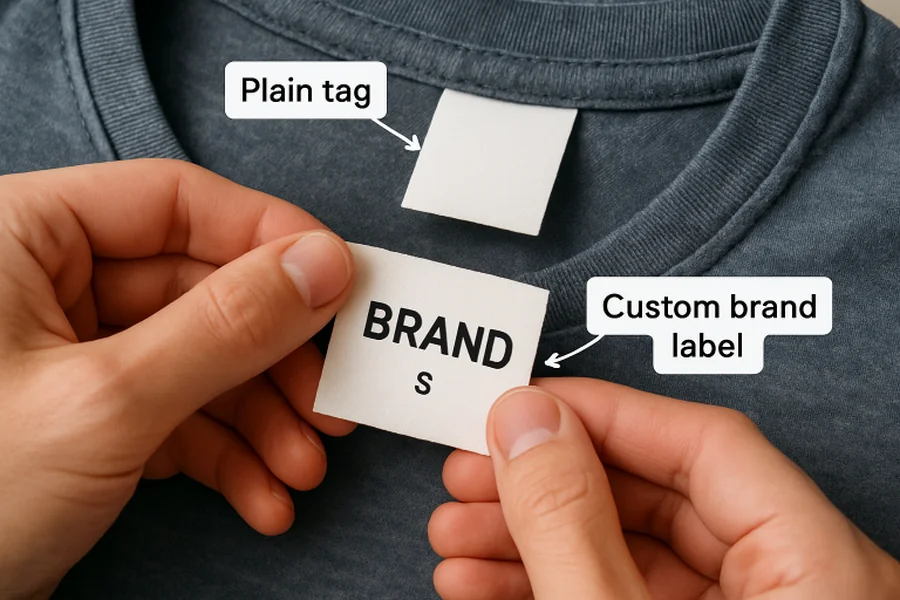
In today’s highly competitive fashion landscape, every detail matters when it comes to forging a memorable identity for your brand. Custom garment relabeling enables brands to differentiate themselves, transforming off-the-rack apparel into personalized expressions of style and ownership. This process involves replacing the standard manufacturer tags with your own, helping to reinforce your unique identity and create stronger customer connections. Explore custom t-shirt labels for tailored solutions. Garment relabeling serves as a valuable strategy to enhance brand recognition and identity. By customizing this small yet impactful detail, brands often achieve higher recall and an enhanced sense of professionalism. It not only aligns the product with the brand’s story but also increases consumer trust and loyalty, two pillars for long-term success in the fashion industry. Whether you’re redefining a clothing line or launching a new label, using custom relabeling can build vital touchpoints between your brand and your customers. This investment in detail signals intentionality and care, resonating in a market where consumers increasingly seek authenticity and uniqueness in every purchase. Importantly, comprehensive relabeling strategies have become crucial for both emerging and established labels. According to Vogue, creating a unique brand experience through personalized product details is fundamental for gaining a competitive edge.
Why Relabeling Matters
Garment relabeling is more than a cosmetic upgrade—it unlocks powerful advantages for fashion brands. Swapping out generic tags for branded ones transforms ordinary pieces into exclusive merchandise. This repositioning helps:
- Boost overall visibility and reinforce your brand in every transaction.
- Create a seamless and cohesive brand experience through every item your customers purchase.
- Offer clear differentiation from competitors, especially in markets crowded with generic apparel.
As noted by Vogue, clear and intentional branding throughout every element—from garment tags to packaging—sets emerging lines apart and helps convert one-time buyers into lifelong fans.
Types of Custom Labels
Brands have a multitude of options for relabeling, each suited to different priorities and consumer experiences:
- Printed Labels: Designs are screen-printed directly onto the fabric, eliminating bulk while prioritizing comfort. These are ideal for athletic or casual wear.
- Woven Labels: Classic and durable, these sewn-in tags add a tactile, high-end feel—perfect for premium and luxury brands seeking long-lasting branding.
- Heat Transfer Labels: Applied with a heat press, these allow for vivid, complex designs that might include logos, sizes, or additional branding with minimal fabric interference.
- Hang Tags: Attached externally, hang tags offer further marketing value, often incorporating unique artwork, QR codes, or added product information to engage customers beyond the purchase.
Innovative brands are increasingly layering various label types for maximum effect—combining interior woven or printed tags with eye-catching hang tags to accentuate storytelling and strengthen customer recall.
Best Practices for Relabeling
Successful relabeling hinges on more than just selecting the right label type. Following industry-leading practices ensures both effectiveness and appeal:
- Maintain consistency in design and messaging with your broader branding efforts.
- Opt for premium, comfortable materials to mirror your brand values.
- Avoid itchy or stiff labels to maximize wearer comfort and encourage repeat purchases.
- Include clear, easy-to-read care and content information to support garment longevity (and better customer experiences).
Meticulous attention to quality and detail in your relabeling can build significant trust. As reported by Vogue, brands committed to excellence throughout the supply chain, including labeling practices, consistently achieve higher customer satisfaction and retention.
Legal Considerations
Integrity in branding must also extend to legal compliance. Fashion items sold in the U.S. are subject to Federal Trade Commission (FTC) rules concerning textile labeling. Brands must:
- List accurate fiber contents and the country of origin.
- Provide clear care instructions in accordance with industry standards.
- Comply with all relevant trade and consumer protection mandates as outlined by the FTC’s labeling guidelines.
Oversight in these areas can lead to fines or product recalls, so it’s important to approach relabeling with both strategy and due diligence.
Partnering with Professionals
Navigating relabeling complexities is often easiest with the help of expert partners. Professional relabeling services offer value-added expertise, including:
- Guidance on impactful label design and optimal material selection.
- Efficient, damage-free removal and replacement of existing tags.
- Detailed knowledge of legal requirements to ensure your brand remains compliant at every stage.
These partnerships can fast-track your branding goals, ensuring best practices and scaling your relabeling strategies in line with growth.
Conclusion
Custom garment relabeling is a vital lever for any brand seeking to differentiate itself and foster deeper customer engagement in the crowded fashion world. By understanding label options, following best practices, staying legally compliant, and collaborating with industry professionals, brands can effectively reinforce their image and competitive position in the long term.
