

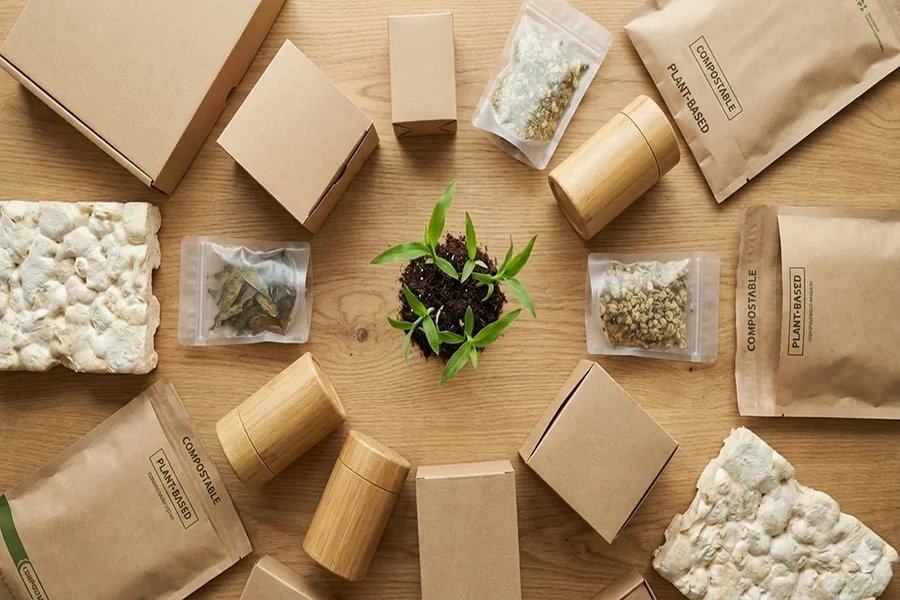
Flexible packaging continues to evolve as businesses seek solutions that balance product protection, efficiency, and environmental responsibility. As sustainability becomes a driving force across industries, manufacturers are adopting innovative materials and production methods that reduce waste while maintaining the performance consumers expect. From everyday household goods to food and personal care products, eco-friendly packaging is helping brands lower their environmental footprint without compromising quality or convenience.
These advancements are influencing the design and production of pouches, film, and labels, encouraging the use of recyclable, renewable, and resource-efficient materials. Companies are also rethinking packaging structures to improve recyclability, reduce material consumption, and support circular economy initiatives. Understanding these sustainability trends provides valuable insight into how flexible packaging continues to adapt to changing environmental goals and evolving market expectations.
Sustainable Materials
One of the fastest-growing trends in flexible packaging today is the adoption of eco-conscious materials that minimize waste and offer alternative end-of-life solutions. Manufacturers are exploring biodegradable options such as plant-based polymers and innovations like chitosan extracted from crustacean shells. While these materials hold promise for improved compostability and reduced landfill burden, understanding their true impact requires a comprehensive life-cycle assessment.
Monomaterial Designs
Recycling multi-layer laminated packaging has historically proven difficult due to the combination of incompatible materials. To address this, companies are shifting toward monomaterial designs that use a single polymer. This transition streamlines the recycling process and aligns packaging with emerging international standards. For example, recent efforts by leading brands have resulted in products like FlowWrap, which features a recyclable structure with substantial post-consumer recycled content. These innovations extend the recyclability of flexible packaging while reducing dependencies on virgin plastics.
Post-Consumer Recycled Content
The inclusion of post-consumer recycled (PCR) content in flexible packaging is a positive trend reflecting industry-wide commitments to circularity. Providers can now integrate up to 35 percent PCR into packaging for sectors such as fresh produce and snacks, which previously required only virgin materials for food safety and functionality. This achievement supports both resource conservation and waste reduction while also reinforcing consumer confidence in sustainable purchasing. More companies are seeking to expand their use of PCR materials as part of broader sustainability pledges from global coalitions and non-profit initiatives.
Regulatory Influences
A patchwork of international regulations guides how packaging is designed and managed worldwide. The European Union’s evolving Packaging and Packaging Waste Regulation (PPWR) is a prime example, encouraging manufacturers to reduce packaging waste and increase recycling rates. The regulation has spurred industry-wide innovation, pushing companies to develop both recyclable monomaterial films and coatings that comply with strict sustainability criteria. As these policies become more common globally, they drive further investment in responsibly sourced and easily recyclable packaging solutions.
Technological Advancements
Emerging technologies are reshaping the flexible packaging landscape by revolutionizing product tracking and freshness maintenance. Innovations such as QR codes, near-field communication (NFC), and radio-frequency identification (RFID) enable consumers to access product traceability data instantly. Additionally, smart active films with built-in freshness sensors and barrier technologies are lengthening product shelf life while safeguarding food safety. These advancements help optimize supply chains, reduce spoilage, and deliver value-added benefits for both brands and shoppers.
Collaborative Initiatives
Sustainability challenges are best tackled through partnerships that span the value chain. Organizations are joining forces across sectors to realize the benefits of shared expertise and pooled resources. Notably, partnerships between materials scientists and packaging companies have enabled the delivery of high-performing, flexible wrappers with significant recycled content, even for products with stringent performance criteria. These collaborations demonstrate the importance of working collectively toward common environmental goals, reinforcing the packaging industry’s vital role in sustainability progress.
Consumer-Driven Demand
Consumer preferences are playing a more decisive role in shaping the future of flexible packaging. Research shows that shoppers are favoring products with visible sustainability commitments, and many are willing to pay a premium for packaging that claims environmental responsibility. This trend encourages further corporate investments into sustainable design and transparent supply chains. Brands that respond to this demand not only align themselves with ecological values but also establish long-term loyalty with increasingly conscientious buyers.
Conclusion
The flexible packaging sector is embracing rapid innovation to align with global environmental priorities. By adopting sustainable materials, monomaterial designs, and increasing recycled content, packaging companies are proving that functionality and sustainability can coexist. By continuing to address regulatory demands, technological opportunities, and evolving consumer expectations, the industry is poised to lead the way toward a more circular, responsible future for product packaging.
