

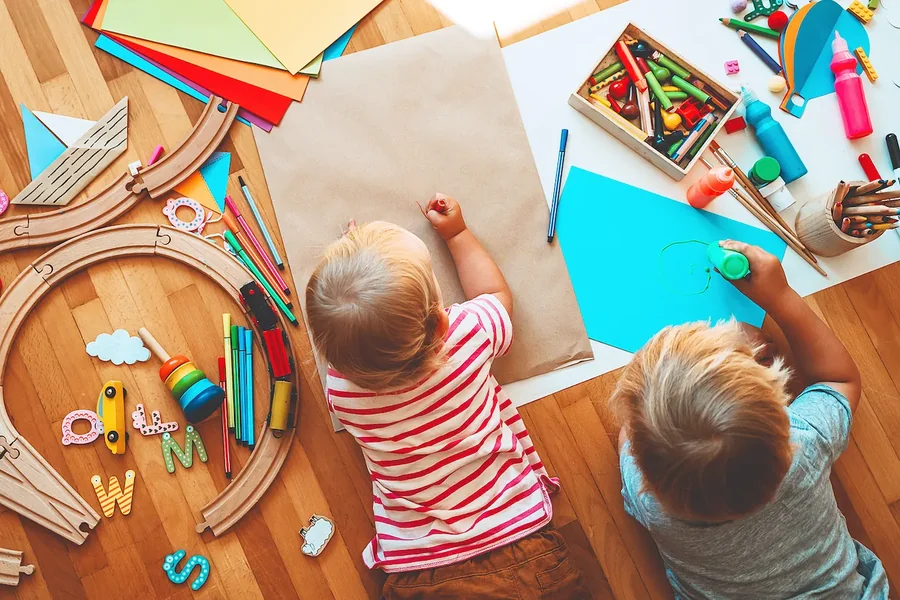
Creativity plays a vital role in a child’s development. From an early age, children naturally express themselves through drawing, painting, storytelling, and imaginative play. These creative activities help children explore their thoughts, build confidence, and develop problem-solving skills. When children are encouraged to participate in artistic activities, they gain opportunities to express emotions, experiment with ideas, and develop a deeper understanding of the world around them.
Art education has become an important part of modern learning because it supports both cognitive and emotional development. Activities such as painting, crafting, and design help children improve their motor skills, concentration, and creativity. More importantly, these experiences allow children to discover their unique talents and interests.
Parents who want to nurture artistic expression in their children often explore creative programs and platforms such as Little-Artists, which provide opportunities for children to learn and develop their artistic abilities in a supportive environment.
Why Art Is Important for Children
Art is more than just a recreational activity. It serves as a powerful educational tool that supports various aspects of a child’s development. When children engage in creative activities, they learn to observe details, experiment with colors and shapes, and communicate ideas visually.
Art also encourages children to think independently. Instead of following strict rules, creative activities allow children to explore their imagination and make their own artistic choices. This process helps them develop confidence in their abilities and encourages innovative thinking.
Additionally, art can help children improve their focus and patience. Completing a painting or craft project requires time and concentration, which helps children develop discipline and persistence.
Developing Fine Motor Skills Through Art
Art activities play a significant role in developing fine motor skills in young children. Tasks such as drawing, cutting, coloring, and shaping materials require precise hand movements and coordination.
These activities help strengthen the muscles in children’s hands and fingers, preparing them for tasks such as writing and other detailed activities later in life. Over time, repeated practice improves hand-eye coordination and control.
Creative programs often incorporate different art techniques to help children develop these skills in an enjoyable and engaging way.
Encouraging Self-Expression
One of the most valuable aspects of art is that it allows children to express themselves freely. Through drawings and creative projects, children can communicate thoughts and emotions that they may not yet be able to describe with words.
Art provides a safe and positive outlet for self-expression. It allows children to explore their feelings, share their perspectives, and tell stories through visual creativity.
Programs and creative environments such as Little-Artists help foster this self-expression by encouraging children to experiment with different materials and artistic styles.
Building Confidence and Creativity
When children complete creative projects, they gain a sense of achievement and pride in their work. Displaying artwork, participating in creative workshops, or sharing projects with family and friends can boost a child’s confidence.
Creative learning environments encourage children to take risks, try new techniques, and develop their own artistic voice. Instead of focusing on perfection, these programs emphasize exploration and enjoyment.
This approach helps children understand that creativity is a process, not just a final result.
Exploring Different Forms of Art
Art education often introduces children to various forms of creative expression. Each medium offers unique opportunities for exploration and learning.
Drawing and painting
These are some of the most common forms of artistic expression for children. They allow kids to experiment with colors, shapes, and textures.
Craft and mixed media
Using materials such as paper, clay, fabric, or recycled items encourages children to explore creative construction and design.
Digital art
As technology becomes more integrated into education, digital tools provide new ways for children to experiment with creative ideas.
Collaborative art projects
Working on group art activities helps children learn teamwork and communication while creating something together.
Through these experiences, children discover different ways to express themselves creatively.
The Role of Creative Learning Platforms
Creative learning platforms and art programs provide structured environments where children can explore their creativity while learning new techniques. These programs often combine artistic instruction with interactive activities that keep children engaged and motivated.
Parents looking for creative opportunities for their children may explore programs like Little-Artists, where children can participate in art activities designed to inspire imagination and develop artistic skills.
Such platforms often provide guidance from experienced instructors while allowing children the freedom to explore their ideas.
Supporting Creativity at Home
Parents also play an important role in nurturing creativity at home. Encouraging children to draw, paint, or create crafts in their free time helps reinforce the value of creative expression.
Simple activities such as providing art supplies, visiting museums, or engaging in creative family projects can inspire children to explore their artistic interests further.
Creating a supportive environment where creativity is celebrated helps children feel confident in their abilities and motivates them to continue exploring new ideas.
Conclusion
Art plays an essential role in helping children develop creativity, confidence, and important cognitive skills. Through drawing, painting, and other creative activities, children learn to express themselves, explore their imagination, and develop valuable problem-solving abilities.
Programs and creative environments provide opportunities for children to learn new artistic techniques while enjoying the process of creation. Platforms such as Little-Artists help support this journey by encouraging children to explore their creativity in engaging and inspiring ways.
By nurturing artistic expression and providing opportunities for creative exploration, parents and educators can help children develop skills that will benefit them throughout their lives.
