


In a global economy that thrives on speed, precision, and customer satisfaction, the warehouse is no longer a passive storage unit—it’s a strategic asset. As industries evolve and consumers expect faster, cheaper, and more transparent delivery, warehousing is undergoing a reinvention. Modern warehousing combines cutting-edge technology, streamlined workflows, and scalable design to overcome some of the biggest logistical hurdles facing today’s businesses.
The Logistics Bottleneck
It’s no secret that supply chains are under pressure. From unpredictable demand and labor shortages to rising transportation costs and supply disruptions, companies are seeking smarter solutions. Warehousing is often the hidden link that either exacerbates these issues or helps alleviate them.
Traditional warehouses, once built for bulk storage and delayed shipments, are now insufficient for today’s fast-turnover, data-driven environment. This has sparked a wave of innovation in how warehouses are designed, equipped, and operated.
The Pillars of Modern Warehousing
Modern warehousing stands on several key pillars: flexibility, automation, connectivity, and sustainability. Each one addresses a different set of challenges while collectively enabling more agile, efficient, and cost-effective operations.
1. Flexible Infrastructure
Modern warehouses are built with flexibility in mind. Whether handling high SKU variety, seasonal spikes, or unpredictable product dimensions, new layouts and equipment make adaptation easy.
- Adjustable racking systems accommodate different load sizes
- Cross-docking zones speed up redistribution
- Mezzanines and modular sections allow vertical expansion without physical relocation
This flexibility is critical for third-party logistics (3PL) providers and e-commerce operations that deal with constantly shifting inventory profiles.
2. Advanced Automation
One of the most visible aspects of modern warehousing is the rise of automation. It’s not just about robotics—it’s about using technology to remove friction from every step of the fulfillment process.
- Automated guided vehicles (AGVs) transport pallets without human drivers
- Pick-to-light systems and voice-picking tools increase speed and accuracy
- Sortation systems direct packages based on destination or carrier
Automation doesn’t just boost efficiency; it also helps fill the labor gap. With fewer workers available and higher turnover in warehousing jobs, automation ensures continuity even during workforce disruptions.
3. Data Integration and Real-Time Monitoring
Warehouses now function like intelligent hubs thanks to the integration of software and data platforms. Real-time monitoring tools allow managers to track:
- Inventory levels
- Worker productivity
- Equipment health
- Order accuracy
Modern systems, such as cloud-based warehouse management systems (WMS) and inventory control apps, create complete visibility across operations. This helps businesses predict demand, optimize space, and plan labor needs more effectively.
Warehouse teams also use data to anticipate potential bottlenecks, such as slow-moving items or capacity constraints, before they cause delays.
4. Mobility and On-Demand Equipment
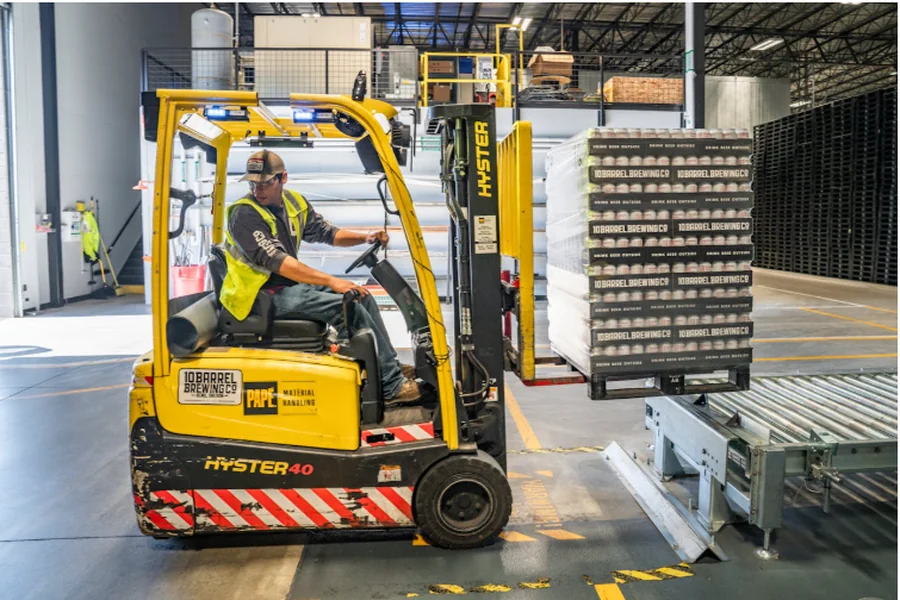
The nature of modern business means not all storage needs are permanent. That’s where flexible equipment services come in. For example, logistics providers and contractors often provide efficient forklift hire to companies that need short-term equipment without long-term investment. This allows smaller businesses to scale up operations quickly during peak seasons or expansion phases without committing to ownership costs. Mobile solutions—including temporary storage structures and modular shelving—also allow warehouses to remain nimble and responsive to changing demands.
The E-Commerce Acceleration
No single trend has influenced modern warehousing more than e-commerce. With online shopping growing exponentially, fulfillment expectations have shifted drastically. Two-day or even same-day shipping is becoming the norm, and that means warehouses need to operate like well-oiled machines.
Modern fulfillment centers must manage:
- High order volumes
- Diverse SKU ranges
- Reverse logistics (returns)
- Real-time tracking for customers
To achieve this, warehouses rely on algorithmic picking paths, intelligent replenishment systems, and integrated order management systems. These tools ensure that stock levels are optimized and orders are fulfilled as quickly and accurately as possible.
Sustainability in Warehousing
Sustainability is another critical piece of the modern warehouse puzzle. With corporate responsibility now a major factor in purchasing and investing decisions, companies are looking for ways to reduce the carbon footprint of their logistics operations.
Sustainable warehouse practices include:
- Installing solar panels and LED lighting
- Using electric forklifts instead of diesel-powered models
- Implementing green packaging stations
- Reducing waste through optimized storage and inventory turnover
Many new facilities are being built to green building standards such as LEED or BREEAM, and companies are increasingly tracking and publishing their environmental metrics as part of ESG reporting.
The Role of People in Modern Warehouses
While automation is on the rise, human labor still plays an important role—especially in oversight, maintenance, and exception handling. Modern warehouses empower workers through technology, giving them access to tools that improve productivity and safety.
Training programs now include AR-assisted tutorials, wearable tech for ergonomics, and mobile apps for tracking tasks. As roles evolve, there is greater emphasis on developing tech-savvy warehouse workers who can interpret data and manage robotic systems.
Companies that invest in worker experience—from break room design to upskilling programs—are also seeing reduced turnover and improved performance.
Urban Warehousing and Micro-Fulfillment
One of the newer trends in modern warehousing is urban fulfillment. As customer demand for fast shipping grows, especially in dense metro areas, businesses are turning to micro-fulfillment centers (MFCs)—small, tech-enabled warehouses located near population hubs.
These smaller facilities:
- Reduce last-mile delivery time and cost
- Use compact automation systems like vertical carousels
- Rely heavily on data to manage limited space efficiently
Major retailers and grocery chains are adopting this model to enable same-day deliveries without overburdening their main distribution centers.
Looking to the Future
As we look ahead, the evolution of warehousing is far from over. Technologies on the horizon include:
- Drone inventory audits that eliminate manual cycle counting
- Blockchain for traceability and product authentication
- Predictive analytics that forecast inventory needs before they arise
- Digital twins—virtual models of warehouses for scenario planning and testing
Warehouses of the future will be smarter, more autonomous, and more sustainable than ever. Those who invest today will be ready to meet tomorrow’s challenges head-on.
Modern warehousing is no longer a support function—it’s a strategic advantage. By embracing automation, data intelligence, flexible design, and sustainability, businesses are not just storing products—they’re delivering value faster, smarter, and more responsibly. Whether you’re optimizing a large distribution network or offering solutions like efficient forklift hire, the modern warehouse is the key to staying competitive in a logistics-driven world.
