

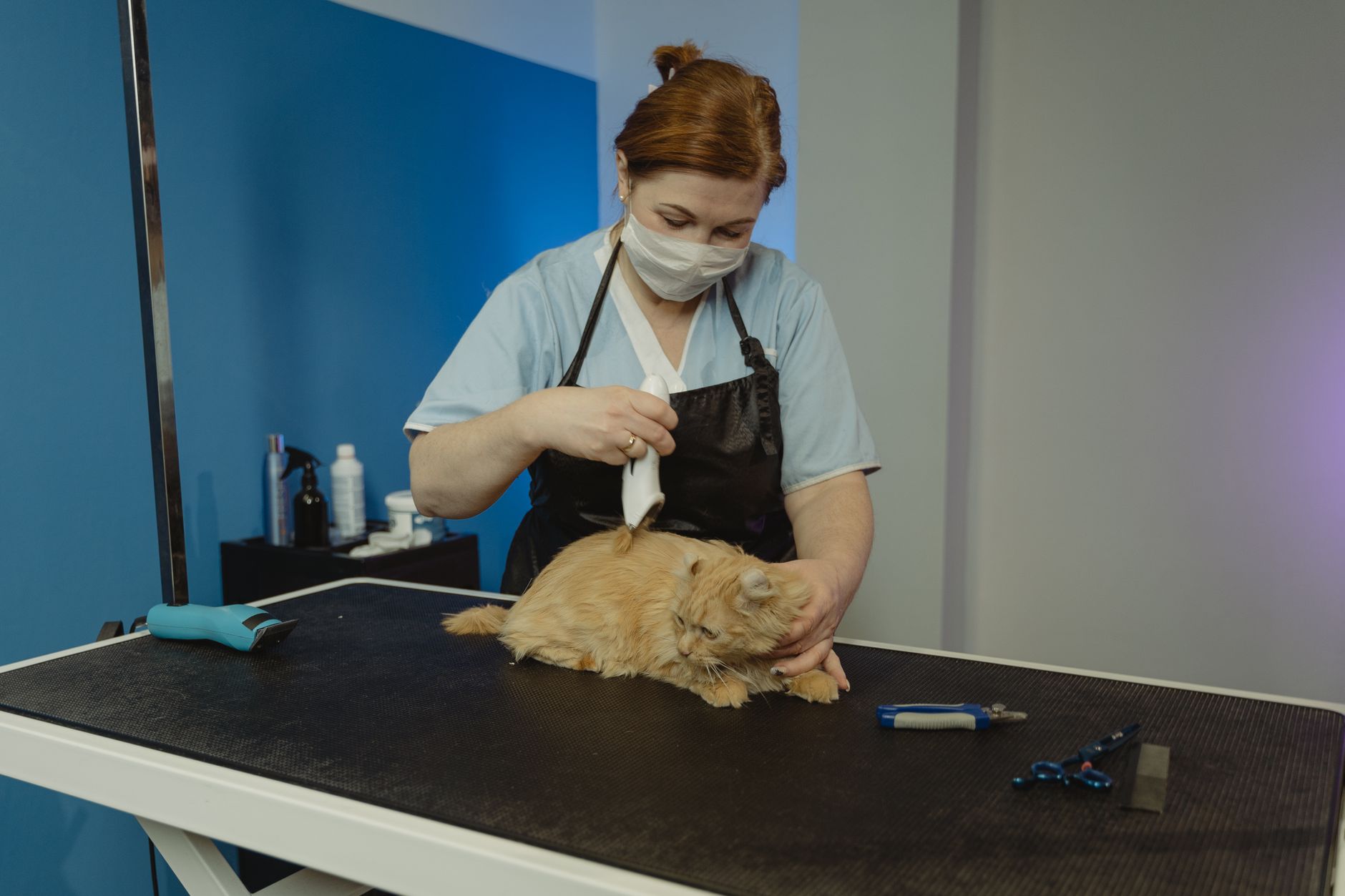
How Vets Ensure Comfort And Safety During Procedures
You know your pet cannot tell you what hurts, and that makes any procedure feel heavier than it should. Even a routine visit at an animal clinic in London, Ontario can turn stressful when you hear words like sedation, anesthesia, monitoring, or pain control. Most people are not just worried about the procedure itself. They are worried about the moment their pet is handed over, the quiet wait, and the fear that comfort might come second to speed.
Good veterinary care does not treat comfort as an extra. It is part of safe treatment from the first exam to recovery at home. How vets ensure comfort and safety during procedures comes down to planning, pain control, close monitoring, and adjusting care to the animal in front of them. Age, breed, health history, anxiety level, and the type of procedure all shape the plan.
A general veterinarian starts with the basics, but those basics carry a lot of weight. Before a procedure, your pet is assessed for heart and lung health, hydration, past reactions to drugs, current medications, and any condition that could raise risk. A young healthy dog having a lump removed does not need the same plan as a senior cat with kidney disease getting a dental cleaning.
This is where many pet owners feel stuck, because one procedure can sound simple until they picture all the ways it could go wrong. What if their pet panics? What if pain is underestimated? What if anesthesia hits harder than expected? Those are fair concerns, and they are exactly why vets do not rely on one standard formula for every patient.
Comfort and safety in veterinary procedures often begin before the procedure starts. Some pets need a quiet room, gentle handling, or medication to reduce fear before sedation. Lower stress can lead to smoother anesthesia, steadier vital signs, and an easier recovery. Pain control may also begin early, because preventing pain usually works better than chasing it after it starts. The USDA discusses this broader approach to reducing animals’ pain and distress, and that principle shows up in everyday veterinary medicine.
Pain management and monitoring protect pets during treatment
People sometimes assume anesthesia means a pet feels nothing and that is the end of the story. It is not that simple. Sedation, anesthesia, and pain relief are related, but they are not identical. A pet may need one, two, or all three depending on the procedure. A nail trim for a fearful dog is different from surgery. A dental extraction is different from imaging that requires stillness.
Veterinary procedure safety depends on matching the right drugs and the right monitoring to the right patient. During many procedures, the team watches heart rate, breathing, blood pressure, oxygen levels, temperature, and depth of anesthesia. If a number changes, the plan changes. Drug doses can be adjusted. Warming support can be added. Fluids may be given. Recovery staff keep watching after the procedure ends, because waking up is part of the risk period too.
Specialized anesthesiology services show how detailed this care can be. Cornell’s overview of veterinary anesthesiology and monitoring reflects the same goal seen in many clinics, which is to keep patients stable, comfortable, and closely observed throughout treatment.
Stress reduction matters as much as the procedure itself
Some pets struggle less with the medical part than with the fear around it. The trembling in the lobby, the refusal to be handled, the cat that shuts down or the dog that thrashes, all of that affects safety. High stress can raise heart rate, make exams harder, increase the chance of injury, and complicate recovery.
That is why animal comfort during medical procedures includes more than medication. It can mean soft restraint instead of force, fewer loud noises, familiar bedding, faster check in, and clear discharge instructions so recovery at home stays calm. If your pet has ever had a rough visit before, telling the clinic ahead of time can change the whole plan.
Procedure planning changes with the level of risk
Not every procedure carries the same demands, and that is exactly the point. A skin biopsy, dental extraction, wound repair, ear cleaning under sedation, and abdominal surgery each require a different level of preparation. Cost can rise with that complexity, and that can be frustrating, especially when you expected a quick fix. Still, the extra steps often exist to lower preventable risk, control pain better, and avoid complications that cost more later.
| Procedure Factor | Lower Complexity Example | Higher Complexity Example | How Comfort and Safety Are Adjusted |
| Length of procedure | Short wound cleaning | Mass removal surgery | Longer procedures usually need more monitoring, warming support, and recovery observation |
| Pain level expected | Basic imaging with sedation | Dental extraction or orthopedic repair | More painful procedures need layered pain medication before, during, and after treatment |
| Patient health status | Young healthy pet | Senior pet with heart or kidney disease | Drug choice, dosage, fluids, and testing are adjusted to reduce strain on the body |
| Stress and handling needs | Calm pet during exam | Fearful or reactive pet | Pre visit medication, quieter handling, and modified restraint can improve safety |
Clear communication helps you protect your pet
You do not need to know every medical term to ask useful questions. You need a clear picture of what your pet will feel, what will be monitored, and what recovery will look like. A strong care plan should explain fasting instructions, medication changes, expected pain control, and signs that mean your pet needs follow up.
Ask for the monitoring plan. Find out whether your pet will have bloodwork, IV fluids, temperature support, and real time monitoring of breathing and heart function. This helps you understand how the clinic handles general veterinarian procedures with care, not guesswork.
Share your pet’s full history. Mention past reactions to drugs, anxiety during visits, current supplements, breathing issues, seizures, or changes in appetite and energy. Small details can change sedation choices and make the plan safer.
Prepare for recovery before the appointment. Set up a quiet space at home, pick up medications early if possible, and ask what normal grogginess looks like versus a warning sign. The procedure does not end when your pet leaves the clinic.
Comfort focused veterinary care gives pets a safer experience
When a clinic takes time to assess risk, control pain, monitor closely, and plan recovery, your pet is not just getting through a procedure. Your pet is being protected at every stage. That is what people mean when they talk about safe veterinary procedures done well.
If your pet needs treatment, ask direct questions and expect clear answers. A careful, compassionate plan should never feel hidden from you.
