

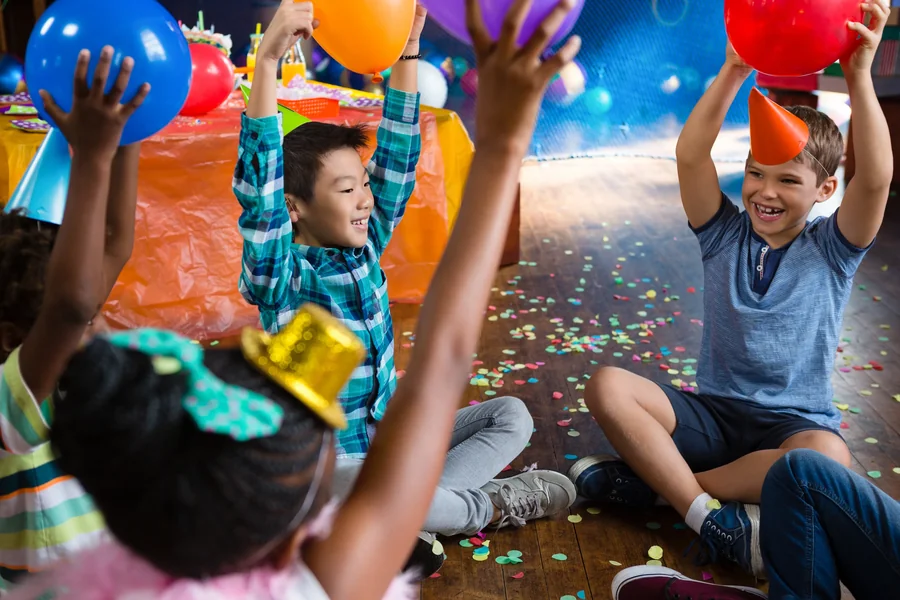
The key to a successful children’s party is understanding the age group and interests of the kids attending. Younger children are often entertained by colorful decorations, music, and simple games, while older children may enjoy competitions, creative challenges, and themed activities. Planning entertainment that matches the age and personality of your guests helps create an atmosphere where everyone feels included and excited to participate.
Creating an Exciting First Impression
The beginning of a party sets the tone for the entire event. As children arrive, they may feel shy or unsure, especially if they do not know each other well. Starting with an easy and welcoming activity can immediately break the ice. Balloon games, coloring tables, or simple dancing activities help children relax and start interacting with one another. A strong opening creates energy that carries through the rest of the celebration.
Using Music and Movement
Music is one of the most effective ways to bring life to a children’s party. Kids naturally respond to rhythm, movement, and fun songs they recognize. Organizing dance contests, freeze dance games, or sing-alongs encourages children to move around and burn off energy in a positive way. A cheerful playlist filled with upbeat songs can transform even a quiet room into an exciting party environment.
Choosing a Fun Party Theme
A creative theme can make a party feel magical and memorable. Themes such as superheroes, pirates, princesses, dinosaurs, or space adventures inspire children to use their imaginations. Decorations, costumes, games, and snacks that match the theme help create a complete experience. Children enjoy feeling as though they are stepping into a different world, and themed activities keep them engaged for longer periods of time.
Organizing Interactive Games
Games are often the highlight of any children’s party. Traditional games like treasure hunts, relay races, and musical chairs continue to entertain kids because they are simple and energetic. Adding small creative twists can make familiar games feel fresh and exciting. Interactive games encourage teamwork, laughter, and friendly competition while helping children stay active and socially involved throughout the event.
Including Creative Activities
Not every child enjoys nonstop physical activity, which is why creative stations can be a valuable addition to a party. Activities such as cupcake decorating, bracelet making, mask painting, or drawing contests allow children to express themselves in a calmer setting. Creative activities also provide children with souvenirs they can take home, making the experience even more memorable.
Bringing in Special Entertainment
Professional entertainers can add excitement and surprise to a party. A funny kids magician can easily capture the attention of children with tricks, jokes, and interactive performances that keep everyone laughing and engaged. Face painters, balloon artists, and storytellers are also excellent choices for adding variety to the celebration. Even without hiring professionals, enthusiastic adults can organize games and performances that create the same sense of fun and wonder.
Keeping a Balanced Schedule
A successful party needs a good balance between energetic and quiet activities. Too many high-energy games in a row can leave children exhausted or overwhelmed. Alternating active games with calmer moments such as crafts or snack breaks helps maintain a steady flow of excitement. Proper pacing keeps children interested and prevents the party from feeling chaotic or disorganized.
Making Food Part of the Fun
Food can become an activity instead of just a meal. Children enjoy interactive snack stations where they can decorate cupcakes, build mini pizzas, or choose toppings for ice cream. Allowing kids to participate in preparing their treats adds another layer of entertainment to the event. It also encourages conversation and interaction among guests while making snack time more exciting.
Creating Lasting Memories
The most important part of animating kids at a party is creating an environment filled with joy, laughter, and inclusion. Children remember how a party made them feel more than they remember expensive decorations or complicated plans. With creativity, enthusiasm, and thoughtful activities, any celebration can become a special memory that children talk about long after the party ends.
