

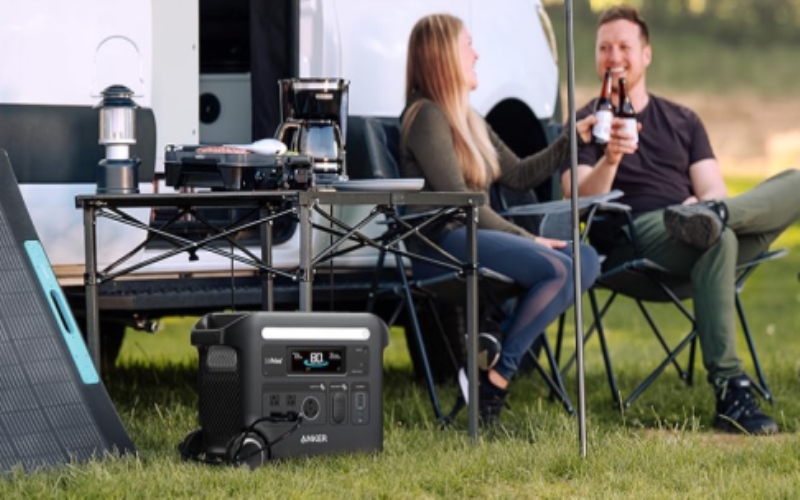
Enjoying TV outdoors can enhance your RV experience, whether you’re relaxing under the stars or watching your favorite show during downtime at a campsite. However, powering your TV outside the RV requires planning to ensure smooth and uninterrupted entertainment. Below, we’ll explore different ways to power up your TV, ensuring you have everything you need for outdoor entertainment.
Reliable Ways to Power Your Outdoor TV
Here are the best ways to keep your TV running outdoors in your RV, so you can enjoy your favorite shows on the go.
1. Use Your RV’s Onboard Battery System
The simplest way to power a TV outside is by using your RV’s battery system. Many RVs come equipped with a 12V system that can provide enough power for low-wattage appliances like small TVs. If you plan to run the TV for extended periods, however, make sure the battery is fully charged to avoid unnecessary drain. It’s also helpful to know how many watts does a tv use, which can range from 30W for smaller models to over 150W for larger screens, impacting how quickly your battery depletes.
2. Leverage a Portable Power Station
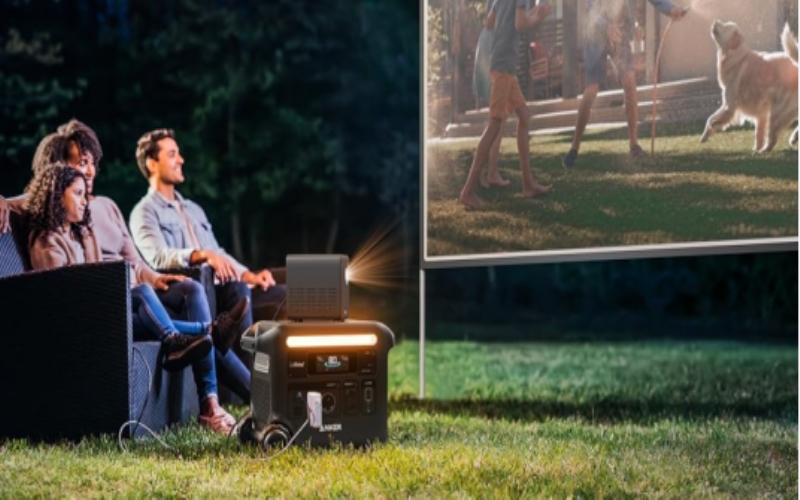
Portable power stations, such as Anker’s SOLIX models compatible with solar panels, are ideal for powering electronics during outdoor adventures. These stations store enough power to keep your TV running for several hours without tapping into your RV’s battery. Many models come with multiple AC outlets, USB ports, and DC outputs, allowing you to charge other devices while watching TV. Check the power station’s wattage capacity to ensure it matches your TV’s energy requirements.
3. Connect to a Solar Panel Setup
For eco-conscious campers, solar panels provide a sustainable way to power an outdoor TV. Solar systems charge your RV’s batteries during the day, giving you enough energy to watch TV after sunset. If you use portable solar panels, ensure they have sufficient wattage to match the power needs of both your TV and other devices. Pairing solar panels with a battery monitor can help you track consumption and avoid overuse.
4. Use an Inverter for AC-powered TVs
If your TV requires AC power, you’ll need an inverter to convert DC power from your RV batteries. Inverters come in various wattage ratings, so it’s essential to know your TV’s wattage beforehand. For example, if your TV consumes 100W, select an inverter with a capacity of at least 150W to ensure smooth operation. Inverters are ideal for RV setups with devices that demand AC power.
5. Tap into Shore Power When Parked
When parked at a campsite with shore power, you can connect your TV directly to the power supply. This method eliminates the need to monitor battery levels or use inverters. Simply plug in the TV and enjoy your programs without worrying about power management. Shore power is ideal for longer stays, allowing you to run additional devices without constraints.
6. Manage Energy Use for Longer Viewing
If you plan to watch TV outdoors for extended periods, managing energy efficiently is crucial. Opt for energy-efficient LED TVs that use fewer watts than older models. Additionally, consider dimming the TV’s brightness and turning off unnecessary appliances to reduce the load on your power source. Understanding how many watts your TV uses also helps in planning energy consumption effectively, especially when relying on batteries or solar power.
Conclusion
Powering a TV outside your RV is easy with the right setup and planning. Whether you rely on your RV’s battery, a portable power station, solar energy, or shore power, knowing how many watts your TV uses helps you choose the best option. By managing your power consumption wisely, you can enjoy seamless entertainment throughout your camping trips.
