

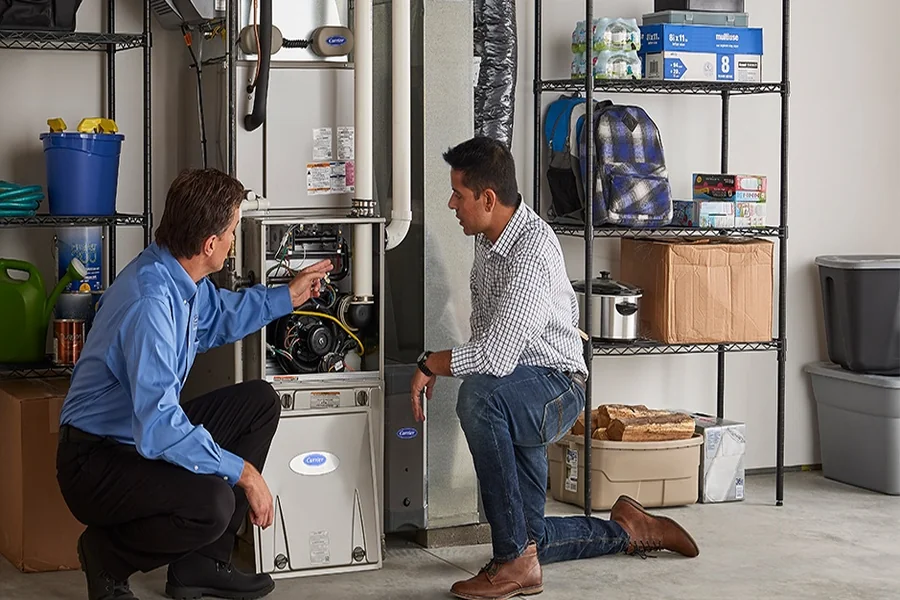
Installing a new furnace is a significant investment that can greatly enhance your home’s comfort and energy efficiency. Whether you’re upgrading for better performance or replacing an aging unit, careful preparation is essential to ensure a smooth, stress-free process. To learn more about what to expect during a professional Thunder Bay furnace installation, follow the comprehensive guide below for best practices and expert tips.
Understanding each stage of the installation, from assessing your heating needs to maintaining the unit after installation, ensures not only a seamless process but also long-term savings and comfort. By having all the right information, you can avoid common pitfalls and maximize your furnace’s efficiency for years to come.
Assess Your Heating Needs
Prior to choosing a new furnace, it’s important to evaluate your home’s specific heating requirements. Key factors include your home’s square footage, insulation level, window performance, and the typical weather conditions in your region. Oversized or undersized systems can result in wasted energy, inconsistent heating, and higher costs. A Manual J Load Calculation, often performed by HVAC professionals, provides a reliable estimate of the correct furnace capacity for your unique space. Reliable organizations like Energy.gov offer guidelines to help you understand these calculations.
Choose the Right Furnace
Once you have a clear sense of your heating needs, carefully select a furnace based on several important criteria:
- Fuel Type: Decide between natural gas, propane, oil, or electric furnaces. Each has advantages and drawbacks in terms of cost, local availability, and efficiency.
- Efficiency Rating: Look for a high Annual Fuel Utilization Efficiency (AFUE) rating, which signifies greater efficiency and reduced energy bills. Modern units offer substantial long-term savings compared to older models.
- Brand and Warranty: Research well-established brands and examine their warranty terms. A comprehensive warranty and robust customer support help ensure longer-lasting performance.
Prepare Your Home for Installation
Proper preparation not only protects your property but also ensures that the installation proceeds without unnecessary delays:
- Clear the Installation Area: Remove any objects or debris from the installation zone, ensuring technicians have unobstructed access and at least 30 inches of clearance around the furnace for safe operation and maintenance.
- Check Existing Ductwork: Inspect ducts for leaks, gaps, or evident damage. Repairing and sealing ductwork can significantly improve system efficiency and boost indoor air quality.
- Verify Ventilation: Ensure that the ventilation system complies with local building codes and is free from obstructions. Good ventilation is crucial for the safe operation of any fossil-fuel furnace.
Understand the Installation Process
Being familiar with a standard furnace installation helps you know what to expect and allows you to address questions or concerns with your installer:
- Removal of Old Furnace: Technicians safely disconnect and haul away the existing unit, taking precautions to avoid damage to your home.
- Installation of New Furnace: The new unit is positioned, attached to your existing duct system, and secured into place.
- Connection to Utilities: Professional installers handle gas, electrical, and ventilation connections, testing each for proper operation and safety.
- System Testing: The system is thoroughly tested, including thermostat calibration, airflow assessment, and overall performance checks to verify everything is functioning as intended.
Post-Installation Checks
Once installation is complete, conduct the following checks for peace of mind and continued safety:
- Inspect for Leaks: Verify there are no gas, combustion, or air leaks in the system. Leaks can pose serious safety threats and compromise heating efficiency.
- Verify Thermostat Functionality: Test the thermostat to ensure it accurately controls the furnace.
- Review Manufacturer’s Guidelines: Read through the user manual to understand best practices for operating and maintaining your specific furnace model.
Maintain Your Furnace
Regular maintenance is essential for safe, reliable, and efficient furnace operation:
- Replace Air Filters: Change filters monthly or as recommended by the manufacturer. Clean filters protect your furnace and maintain good indoor air quality.
- Schedule Annual Inspections: Book yearly professional inspections to catch minor issues before they escalate into costly repairs or safety hazards.
- Keep Vents Clean: Dust and vacuum around supply and return vents to ensure clear airflow and prevent blockages.
Consider Energy Efficiency Upgrades
Improving your home’s overall energy efficiency complements your investment in a new furnace. Consider these additional steps:
- Improve Insulation: Upgrading attic and wall insulation reduces heat loss, which helps your furnace run more efficiently.
- Seal Windows and Doors: Use caulk or weatherstripping to eliminate drafts and maintain a more stable indoor temperature.
- Install a Programmable Thermostat: These devices allow precise scheduling, which can cut energy use by automatically adjusting temperatures when you’re away or asleep.
Conclusion
A new furnace can transform your home’s comfort and lower energy costs if you plan carefully and follow recommended installation and maintenance steps. By assessing your needs, selecting the right equipment, preparing for installation, and maintaining it regularly, you’ll secure a reliable heating system for years to come.
