

Key Takeaways
- Implementing advanced ventilation systems can help reduce respiratory issues among cattle.
- Automated milking systems improve efficiency and provide valuable health data.
- Precision cooling stalls and watering systems help mitigate heat stress.
- Durable, easy-to-clean flooring and bedding materials promote hygiene and comfort.
- Structural insulation maintains a stable environment, reducing stress on the herd.
- Data-driven barn management software enables proactive health monitoring.
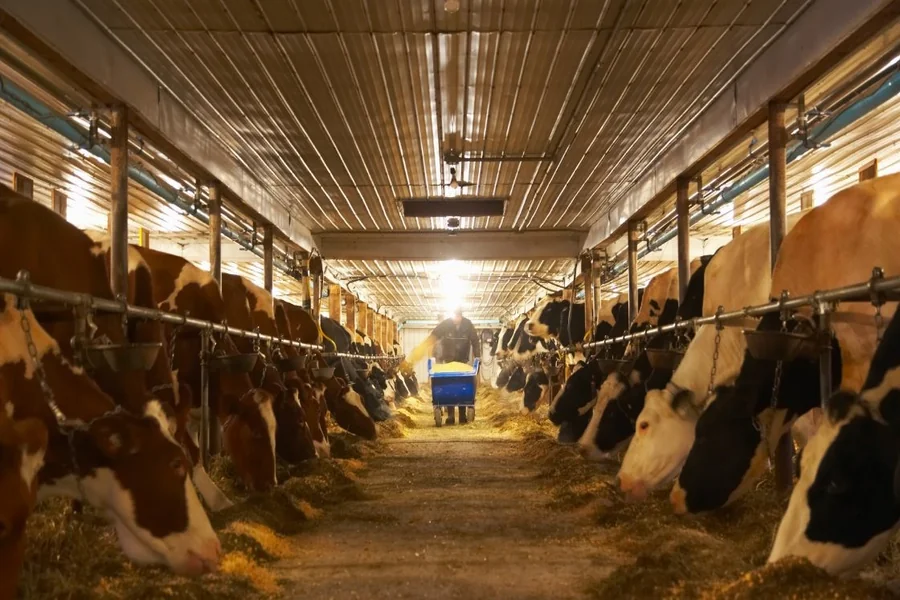
Healthy herds are the foundation of successful dairy operations, and the environments in which animals are housed play a significant role in their overall well-being. Modern approaches to barn design now emphasize animal comfort, hygiene, and efficient movement, recognizing that stress reduction and clean living conditions have a direct impact on milk production and the long-term health and vitality of the herd. Factors such as ventilation, flooring, lighting, and space allocation are being increasingly evaluated through the lens of animal health, rather than convenience alone.
Advancements in housing systems also reflect a growing understanding of how technology and thoughtful layouts can support daily care routines. The strategic use of dairy barn equipment can help improve feeding consistency, manure management, and monitoring practices, all of which contribute to healthier animals. When integrated carefully, these tools support caretakers in maintaining stable conditions, identifying potential health concerns earlier, and promoting more sustainable management practices without disrupting natural herd behaviors.
Advanced Ventilation Systems
Proper ventilation is essential to effective dairy barn management. Fresh air circulation controls temperature, eliminates moisture, and disperses airborne pathogens, all of which significantly impact herd respiratory health and comfort. Dairy producers are now implementing naturally ventilated barns, tunnel ventilation, and adjustable curtain-sided walls, which allow them to adapt to weather variations and prevent dangerous moisture buildup. By ensuring optimal air quality, these systems help reduce disease incidence and promote higher milk yields.
Automated Milking Systems
The adoption of automated milking systems has transformed dairy farming practices globally. These robotic systems streamline the milking process while simultaneously collecting real-time data on each cow, including milk yield, activity levels, and key health indicators. This information enables farmers to identify abnormal trends early, thereby enhancing disease prevention and overall herd management. By allowing cows to choose their milking times, these systems create low-stress environments that reduce anxiety and support natural behaviors, thereby improving productivity. Additionally, automation helps conserve labor, maintain high hygiene standards, and ensure consistent, attentive care for every animal.
Precision Cooling and Watering Systems
Managing heat stress is a significant challenge in dairy operations, especially during the summer months. Forward-thinking facilities are deploying precision cooling stalls equipped with individual misters and automated fans that activate when cows need cooling, minimizing stress and supporting healthy milk production. Similarly, modern watering systems dynamically adjust water flow based on herd activity and temperature, providing ample hydration without waste. These solutions optimize environmental comfort for cows, enhancing hydration and appetite while preventing heat-related illnesses.
Durable Flooring and Bedding Materials
Barn flooring and bedding play fundamental roles in cow comfort, mobility, and overall barn hygiene. New advances include grooved or rubberized flooring, which offers superior traction and cushioning, reducing hoof and leg injuries. These surfaces are also designed for efficient waste removal, streamlining barn sanitation and lowering the risk of lameness and bacterial infections. Upgraded bedding—such as waterbeds, deep-sand systems, and absorbent organic materials—further reduces pressure points, maintains cleanliness, and encourages restful behavior, all contributing to herd wellness and productivity.
Structural Insulation
Climate control is crucial for modern dairy barns, and advanced structural insulation techniques are being increasingly utilized. Well-insulated steel-framed buildings buffer internal temperatures against external extremes, reducing the need for supplemental heating or cooling and minimizing environmental stress on the herd. Stable barn temperatures stabilize feed efficiency, immunity, and productivity while also supporting lower operational costs and improved carbon footprint. For dairy farms in areas with volatile seasons, strong thermal insulation improves both animal health and operational sustainability.
Data-Driven Barn Management Software
Technology has created unprecedented opportunities for precision dairy management. Data-driven barn management software enables farmers to monitor the complete operation in real-time, from feed delivery to cow health parameters and milking frequency. With predictive analytics, farmers can make informed decisions, respond proactively to developing concerns, and even model future herd outcomes. This actionable data makes herd management more cohesive, responsive, and efficient, allowing for rapid interventions that save time, money, and—most importantly—improve herd outcomes.
Conclusion
Incorporating innovative barn designs and advanced technologies fosters healthier, more productive dairy herds by prioritizing animal comfort, hygiene, and stress reduction. From improved ventilation and precision cooling to automated milking systems and durable flooring, each element supports both welfare and efficiency, while data-driven management enables proactive monitoring and timely interventions. By integrating these strategies, dairy operations can enhance herd health, optimize milk production, and maintain sustainable, resilient farming practices.
