

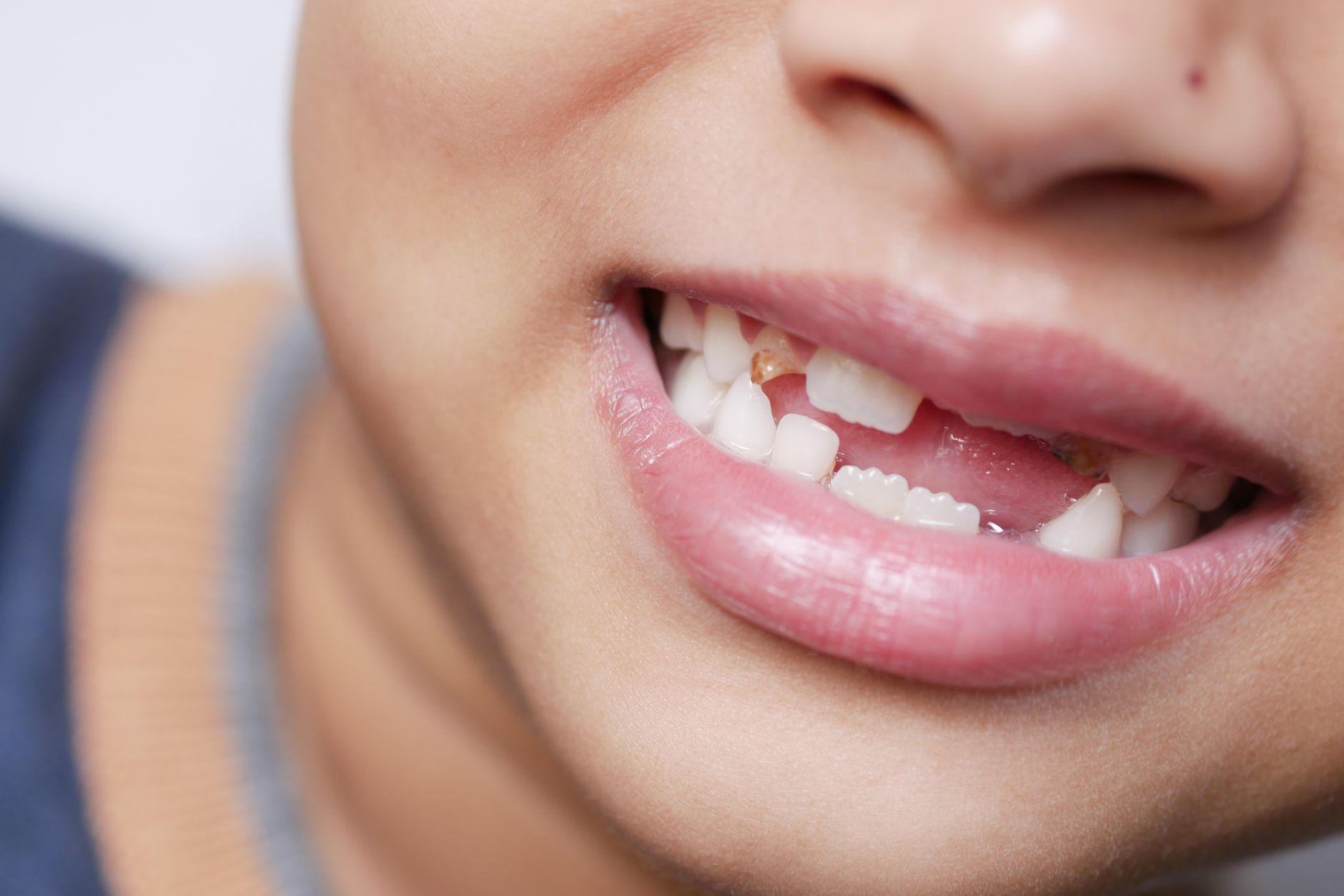
You might be noticing a smile that looks a little uneven right now. Some baby teeth are still hanging on, adult teeth are coming in, and nothing seems quite lined up the way you expected. That stage can feel confusing, especially when you are trying to tell the difference between what is normal and what needs attention. The short answer is this. Mixed dentition checkups matter because they help catch spacing, bite, and growth concerns while your child still has both baby and adult teeth, when small changes can make a big difference later, and a kids dentist in Peekskill can help you understand what to watch for next.
This “in between teeth” stage usually starts around age 6 and lasts until about age 12, when children have a mix of primary and permanent teeth. According to MedlinePlus guidance on tooth development, this period is a normal part of growth, but normal does not always mean simple. Because so much is changing at once, regular visits with a pediatric dentist and orthodontist can offer clarity, reassurance, and a plan.
Why do mixed dentition visits matter so much when everything looks temporary?
That is often the hardest part, isn’t it? The smile looks temporary, so it is easy to assume any crowding, gaps, or crooked teeth will sort themselves out. Sometimes they do. Sometimes they do not. A child may have a crossbite, early loss of baby teeth, delayed eruption, thumb sucking effects, or not enough room for adult teeth, and those issues can become harder to manage if no one is watching closely.
During in-between teeth dental visits, a provider looks beyond whether teeth are simply coming in. They check jaw growth, bite patterns, oral habits, speech concerns, and how baby teeth are guiding adult teeth into place. If one tooth is blocked, if the upper and lower jaws are not matching well, or if crowding is building, early monitoring can help you avoid bigger problems later.
And there is a practical side too. Early checkups do not always mean braces right away. In many cases, they mean watchful care, better timing, and fewer surprises. That can reduce stress for you and for your child.
What problems can show up during the mixed dentition stage?
When children are in this stage, a lot can happen at once. A baby tooth may fall out too early because of decay or injury. Another may stay too long and block an adult tooth. Adult teeth may come in behind baby teeth, which often alarms parents, even though it can sometimes be managed without major treatment. The bite may shift in a way that affects chewing or speech. So, where does that leave you?
It leaves you needing a clear picture, not guesswork. The American Academy of Pediatric Dentistry offers guidance on developing dentition and occlusion that explains how dentists assess growth and eruption patterns during childhood. This matters because the goal is not just straight teeth. It is healthy development, comfortable function, and enough room for permanent teeth to come in as they should.
There is also the everyday side of oral health. Mixed dentition years are often when brushing gets rushed, flossing is inconsistent, and newly erupted molars are easy to miss. The CDC shares helpful oral health tips for children, including fluoride use, sealants, and daily care habits that protect both baby and adult teeth. Since both sets of teeth are present, prevention really matters here.
How do mixed dentition checkups compare with waiting until all adult teeth arrive?
Waiting can feel easier. Fewer appointments, fewer decisions, less worry for now. But when a concern is already developing, waiting may limit options. A checkup during this stage does not commit you to treatment. It gives you information at the moment it is most useful.
|
Approach |
What It Offers |
Possible Tradeoff |
|
Regular mixed dentition checkups |
Tracks jaw growth, spacing, eruption, and bite while changes are still unfolding |
Requires monitoring even when no treatment is needed yet |
|
Waiting for all adult teeth |
Delays decisions and may feel simpler in the short term |
Some crowding, bite issues, or eruption problems may become harder to correct |
|
Pediatric dentist only visits without orthodontic evaluation when concerns exist |
Supports cleanings, cavity prevention, and general oral health |
Growth and alignment issues may need a second layer of review |
This is where early orthodontic checkups can be especially helpful. Not every child needs early treatment, but many children benefit from early observation. If a provider sees a developing issue, you can plan around your child’s growth instead of reacting after the fact.
What can you do right now if your child is in the “in between teeth” years?
1. Pay attention to timing and patterns.
Notice if teeth seem very crowded, if adult teeth are coming in far behind or in front of baby teeth, or if one side of the bite looks off. You do not need to diagnose anything. Just bring those observations to a pediatric dentist and orthodontist.
2. Protect both baby and adult teeth every day.
It is easy to think baby teeth matter less because they will fall out, but they hold space and guide permanent teeth. Keep brushing with fluoride toothpaste, help with flossing, and ask about sealants for new molars. Good home care supports healthy growth during this changing stage.
3. Schedule checkups before a problem feels urgent.
If your child is between ages 6 and 12, this is often the right time for regular monitoring. A simple visit can confirm that things are on track or catch concerns while options are still open. That is the value of pediatric dentistry and orthodontics working together.
When should you trust your instincts about your child’s changing smile?
If something feels off, it is worth checking. You know your child’s smile better than anyone. Maybe they are biting oddly, avoiding certain foods, or feeling self-conscious because teeth are coming in in unexpected places. Those signs do not always point to a major problem, but they do deserve attention.
The good news is that the mixed dentition stage gives you a window. You do not have to wait until all the adult teeth are in, and you do not have to assume every irregularity will fix itself. A thoughtful checkup can bring peace of mind, practical next steps, and a clearer path forward. If your child is in this “in between teeth” phase, consider scheduling a visit with a pediatric dentist and orthodontist to make sure their smile is developing in a healthy way.
