

Did you know that, according to the World Health Organization, over 1.3 million people die every year as a result of road traffic crashes, and millions more suffer non-fatal injuries? Additionally, the FBI reports that there were nearly 1.4 million burglaries in the U.S. alone in 2023, highlighting the ongoing risks to personal safety and property security. These numbers underscore the critical importance of physical safety and security in our daily lives.
In an increasingly complex world, physical safety and security have become essential priorities for individuals, businesses, and communities. Understanding and implementing effective safety measures can drastically reduce risks, protect assets, and ensure peace of mind, whether at home, in the workplace, or in public spaces. This article explores the best practices for physical safety and security, highlighting practical steps anyone can take to create safer environments.
Understanding Physical Safety and Security
Physical safety refers to protecting people from injury or harm caused by accidents, natural disasters, or intentional acts like violence and theft. Physical security, on the other hand, focuses on safeguarding assets—property, information, and infrastructure—against unauthorized access, damage, or loss. Both concepts are intertwined; without physical security, people and property remain vulnerable, and without safety protocols, individuals face unnecessary hazards.
Why Physical Safety and Security Matter
Neglecting physical safety and security can have severe consequences, including injury, financial loss, reputational damage, and emotional trauma. On a broader scale, inadequate safety measures can disrupt operations, affect community well-being, and lead to legal liabilities. Conversely, robust physical safety and security practices build trust, enhance productivity, and foster a sense of stability.
Best Practices for Physical Safety
1. Conduct Regular Risk Assessments
Identifying potential hazards is the first step toward mitigating them. Conduct regular risk assessments to understand the dangers in a home, office, or public space. Look for physical threats like slippery floors, unsecured heavy objects, faulty wiring, or poorly lit areas. In workplaces, consider ergonomic risks, machinery safety, and fire hazards.
2. Implement Safety Training and Awareness
Education is crucial. Training staff, family members, or residents on safety protocols ensures everyone knows how to respond during emergencies. This includes first aid training, fire drills, evacuation procedures, and how to use safety equipment like fire extinguishers or emergency alarms.
3. Maintain Clear and Accessible Emergency Exits
Ensure that exits are marked, unobstructed, and easy to open from the inside. Emergency lighting and signage guide occupants safely during power outages or smoke-filled conditions in public buildings and workplaces. Regularly check exit routes to prevent blockages.
4. Install and Maintain Safety Equipment
Smoke detectors, carbon monoxide alarms, fire extinguishers, and first aid kits should be installed in key locations and maintained regularly. Testing these devices helps confirm they function correctly when needed. Additionally, safety guards and handrails should be installed on machinery and stairs.
5. Promote Good Housekeeping
Cluttered spaces increase the risk of trips, falls, and other accidents. Encourage keeping walkways clear, properly storing tools and materials, and promptly cleaning up spills. A clean environment also makes it easier to spot potential hazards early.
6. Use Technology to Enhance Safety
Modern technology offers tools such as smart sensors for gas leaks, automatic fire suppression systems, and wearable devices that can alert emergency services in case of injury. Leveraging technology can reduce human error and provide faster response times during crises.
Best Practices for Physical Security
1. Control Access Points
Restricting entry to authorized personnel is fundamental. Use locks, electronic access cards, biometric scanners, or security personnel to manage who enters buildings or sensitive areas. Regularly update access permissions to reflect personnel changes.
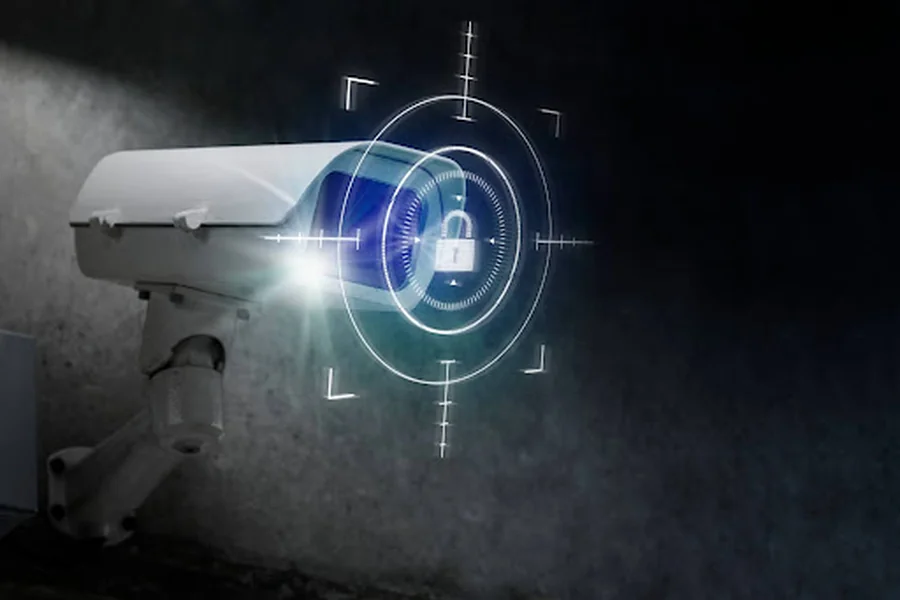
2. Deploy Surveillance Systems
Cameras serve as both a deterrent and a tool for investigation. Strategically placed surveillance systems monitor key areas like entrances, parking lots, and storage rooms. Ensure footage is stored securely and reviewed regularly.
3. Secure Perimeters
Physical barriers such as fences, gates, and bollards help prevent unauthorized access and protect against vehicle-based threats. For businesses, perimeter lighting and landscaping that eliminates hiding spots enhance security further.
4. Implement Security Policies and Procedures
Clear policies regarding visitor management, key control, asset handling, and incident reporting establish standards and accountability. Employees should be trained to understand and follow these procedures consistently.
5. Protect Information and Data Physically
Physical security extends to protecting sensitive documents, servers, and other data storage media. Use lockable cabinets, safes, and secure rooms for storage. Consider off-site backups and controlled access to data centers.
6. Prepare for Security Incidents
Have a response plan for theft, vandalism, or breach attempts. This includes alerting authorities, containing the threat, and documenting incidents. Regular drills and simulations keep everyone prepared and reduce panic during real events.
Integrating Physical Safety and Security
Adequate safety and security strategies combine both preventive and reactive measures. For example, controlling access (security) helps prevent unauthorized entry that might lead to accidents or violence (safety). Similarly, emergency lighting (safety) assists evacuation during a security breach or fire.
Organizations and households benefit from comprehensive plans that cover:
- Physical environment design: Using crime prevention through environmental design (CPTED) principles that promote natural surveillance and territorial reinforcement.
- Regular audits and improvements: Continuous review of safety and security measures to adapt to evolving threats or environmental changes.
- Community involvement: Encouraging communication and cooperation among neighbors, employees, and local authorities to foster a culture of safety and vigilance.
Practical Tips for Individuals
- Secure your home: Install sturdy locks, deadbolts, and alarm systems. Use outdoor lighting and trim shrubs that could provide cover for intruders. Investing in a first-rate gun safe is essential for those who own firearms to prevent unauthorized access and ensure responsible firearm storage.
- Stay aware: Be mindful of your surroundings, especially in unfamiliar or public areas. Trust your instincts and avoid risky situations.
- Prepare an emergency kit: Include essentials such as water, a flashlight, first aid supplies, and important documents.
- Keep valuables out of sight: At home or in a vehicle, hide items that might attract thieves.
- Use technology wisely. To monitor your property remotely, Consider home security cameras, smart doorbells, and mobile alerts.
Practical Tips for Businesses
- Perform security audits: Identify vulnerabilities in physical and digital spaces.
- Train employees: Conduct regular safety and security training sessions.
- Create a security culture: Encourage reporting of suspicious activities without fear of reprisal.
- Invest in physical upgrades: Improve locks, lighting, and surveillance infrastructure.
- Coordinate with local law enforcement: Establish relationships and share information about threats or incidents.
The Role of Leadership in Safety and Security
Leadership commitment is critical to successful safety and security programs. Leaders set the tone by allocating resources, enforcing policies, and demonstrating personal commitment. They also foster an environment where employees feel responsible for safety and empowered to speak up about concerns.
Conclusion: Peace of Mind Through Preparedness
Physical safety and security are foundational to a stable and healthy life. Individuals and organizations can significantly reduce risks by adopting best practices, from risk assessments and training to technology integration and firm policies. These measures protect lives and assets and cultivate peace of mind, allowing people to focus on their goals without fear.
In today’s world, being proactive about physical safety and security is not optional; it is essential. Embrace these best practices to create environments where safety is built into the very fabric of daily life.
