

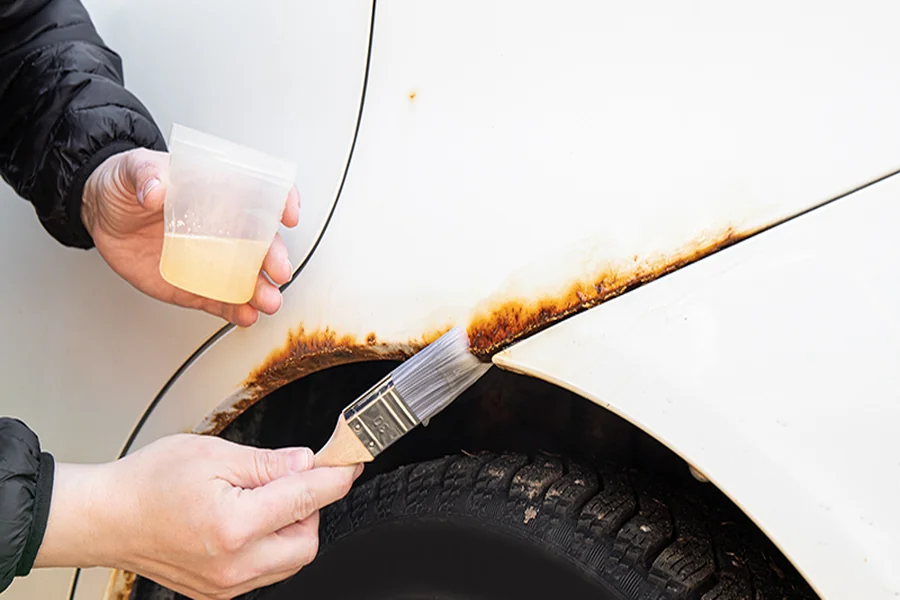
Rust and corrosion are some of the most common and costly issues vehicle owners face. Over time, these damaging processes can compromise your vehicle’s structural integrity, reduce its aesthetic appeal, and lower its resale value. Fortunately, with proper knowledge and preventive care, you can protect your vehicle and extend its lifespan. This article covers everything you need to know about rust and corrosion, how they develop, and the best strategies to prevent them.
Understanding Rust and Corrosion
Rust is a specific type of corrosion that occurs when iron or steel reacts with oxygen and moisture, forming iron oxide. This reddish-brown substance not only looks unsightly but also eats away at the metal, weakening it over time. Corrosion, meanwhile, refers to the broader process of metal deterioration caused by chemical reactions, including rusting but also other forms like oxidation and electrochemical degradation.
In vehicles, rust primarily targets steel body panels, chassis, and components. Corrosion can also affect other metals and alloys used in your car, such as aluminum parts and fasteners. Left unchecked, rust can cause holes, weaken safety-critical parts, and lead to expensive repairs.
Why Does Rust Develop on Vehicles?
Several environmental and operational factors contribute to rust formation on vehicles:
- Moisture: Water is the primary catalyst for rust. Rain, snow, and even humidity create conditions for oxidation.
- Salt: In colder climates, road salt used to melt ice accelerates rust formation. Salt increases the conductivity of water, speeding up the electrochemical reactions that cause corrosion.
- Scratches and Chips: Damage to paint and protective coatings exposes bare metal to moisture and air, creating perfect spots for rust to begin.
- Poor Drainage: Blocked drainage holes in doors, rocker panels, or the undercarriage trap water, increasing rust risk.
- Age and Wear: Older vehicles with worn paint or protective coatings are more vulnerable.
Understanding these causes helps you take targeted steps to prevent rust.
Signs Your Vehicle May Have Rust or Corrosion
Early detection is key. Look out for these warning signs:
- Small brown or reddish spots on paint or metal surfaces.
- Bubbling or peeling paint, which often indicates rust forming underneath.
- Rough or flaky patches on metal panels.
- Visible holes or perforations.
- Unusual noises or looseness in parts, which might mean structural weakening.
If you spot any of these signs, it’s best to act quickly before rust spreads.
How to Prevent Rust and Corrosion
1. Regular Washing and Cleaning
One of the easiest and most effective ways to prevent rust is to keep your vehicle clean, especially during winter months or if you live near the ocean where salt exposure is higher.
- Wash Frequently: Rinse off dirt, mud, salt, and road grime regularly.
- Don’t Forget the Undercarriage: Salt and debris often accumulate underneath the car, where rust often starts.
- Use Mild Soap: Avoid harsh detergents that can strip protective wax or coatings.
2. Wax and Seal Your Paint
Wax acts as a protective barrier between your vehicle’s paint and moisture. Applying a high-quality wax or paint sealant every few months helps protect against environmental damage and keeps your paint looking fresh.
- Wax also prevents oxidation and fading caused by UV rays.
- Some modern paint sealants last longer and offer superior protection compared to traditional wax.
3. Inspect and Repair Paint Damage Promptly
Paint chips and scratches expose metal and accelerate rusting.
- Touch Up Chips: Use automotive touch-up paint to cover small chips and scratches.
- Fix Larger Damage Professionally: Deep scratches or dents may require professional repair to restore protective layers.
- Avoid DIY Rust Repair for Advanced Cases: Rust that has already penetrated metal often needs professional intervention.
4. Apply Rust-Proofing Treatments
Rust-proofing sprays or coatings create a protective film that inhibits moisture and salt from reaching metal surfaces. Common rust-proofing products include oil-based sprays, rubberized undercoatings, and wax-based coatings. Professional rust-proofing services often include treatment of hard-to-reach areas like inside doors and frame rails. Additionally, using a resilient chassis coating can provide durable protection to your vehicle’s undercarriage, helping to prevent corrosion even in harsh conditions. While rust-proofing helps, it doesn’t guarantee immunity, so combine it with regular maintenance.
5. Keep Drainage Areas Clear
Vehicles have drainage holes to allow water to escape from doors, sunroofs, and other cavities.
- Periodically check and clear any blockages.
- Use compressed air or a flexible wire to clear clogged drains.
- Proper drainage reduces trapped moisture that accelerates corrosion.
6. Store Your Vehicle Properly
Environmental exposure influences rust development significantly.
- Garage Storage: Keeping your car in a garage or covered area protects it from rain, snow, and UV rays.
- Use a Car Cover: If indoor storage is not possible, use a breathable car cover to shield your vehicle from the elements.
- Avoid Parking on Grass or Dirt: These surfaces hold moisture longer and increase corrosion risk.
7. Monitor and Maintain Vehicle Undercarriage
The underside of your vehicle is the most vulnerable area for rust.
- Regularly inspect the undercarriage for signs of rust or damage.
- Consider professional undercarriage washes after winter or exposure to salty roads.
- Apply undercoating products designed to protect the frame and suspension components.
What to Do if You Find Rust on Your Vehicle
If rust is detected early and limited to surface areas, you may be able to manage it yourself with proper cleaning, sanding, rust converter treatments, and repainting. However, for larger rust spots, structural rust, or rust on critical components such as brakes, suspension, or frame, consult a professional.
- Rust Removal: Professionals can remove rust using abrasive blasting or sanding, then apply primers and sealants.
- Component Replacement: Severely rusted parts may need replacing to maintain safety.
- Rust Converters: These chemical treatments stabilize rust and prevent further spreading.
- Body Shop Repairs: For body panels, dents, or holes caused by rust, expert repair ensures longevity and cosmetic appeal.
The Cost of Neglecting Rust
Ignoring rust can lead to significant consequences:
- Structural Weakness: Rust can compromise critical safety components, increasing accident risk.
- Expensive Repairs: Rust repair costs escalate as corrosion worsens.
- Lower Resale Value: Buyers avoid vehicles with visible rust damage.
- Aesthetic Damage: Rust stains, bubbling paint, and holes reduce your vehicle’s curb appeal.
Early prevention and maintenance save money and headaches.
Final Thoughts
Protecting your vehicle from rust and corrosion requires ongoing effort and vigilance. By understanding the causes of rust, recognizing early signs, and following proactive maintenance practices, you can safeguard your investment, preserve your vehicle’s appearance, and ensure it remains safe on the road for years to come.
Regular cleaning, prompt repair of paint damage, rust-proofing, and proper storage are all key strategies. If you do find rust, act quickly and seek professional help if necessary. With proper care, rust doesn’t have to be an inevitable part of vehicle ownership.
