

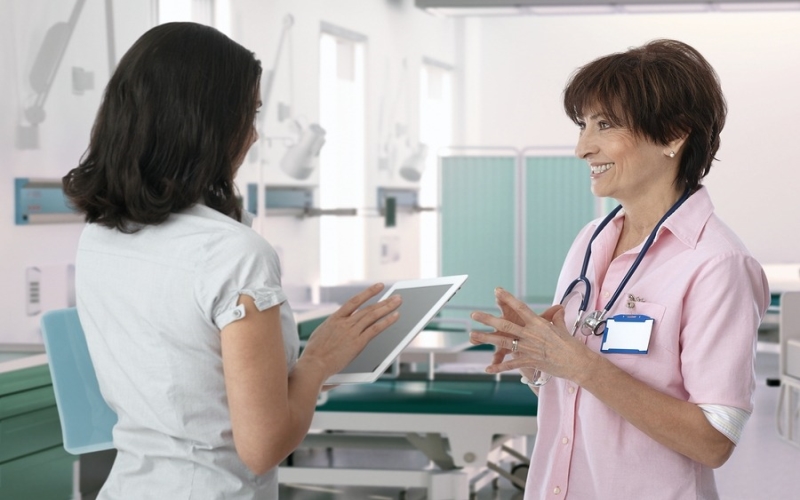
In today’s changing healthcare landscape, prompt documentation is more crucial than ever. This shift has led to the emergence of scribes, a groundbreaking method revolutionizing how healthcare professionals handle patient records. This article will explore scribing and trace its development, benefits, and impact on healthcare practices. We will also discuss the obstacles faced, remedies, essential training, qualifications, and future directions in this domain.
What Does a Remote Medical Scribe Do?
A remote medical scribe is an individual who aids healthcare providers in recording patient interactions from a distance. Their responsibilities include transcribing and inputting details into health records (EHRs) in real-time, enabling physicians to concentrate on delivering top-notch patient care.
Remote medical scribes typically operate from call centers or residences, utilizing telecommunication tools to liaise with providers and access patient records. They may collaborate with scribes stationed physically in emergency departments (EDs). These professionals can support providers across specialties, including emergency medicine, primary care settings, and specialized clinics.
Exploring Remote Medical Scribing
Remote scribing involves professionals who support healthcare providers in documenting patient interactions in real-time from a distance. This setup not only saves time but also enables healthcare professionals to devote more attention to patient care. By managing the documentation process, remote medical scribes lessen the workload on doctors and nurses, ultimately enhancing the efficiency of clinical operations.
The Progress of Medical Scribing
The field of scribing has witnessed development over time. Initially, a virtual medical scribe worked closely with physicians in healthcare facilities, recording details of consultations. However, with advancements, remote medical scribing has emerged as a concept. Remote scribes can effectively document visits from any location using communication tools and electronic health record (EHR) systems.
Benefits of Remote Medical Scribing
Remote medical scribing presents various advantages:
Efficiency: By managing documentation tasks, remote scribes enable healthcare providers to attend to patients within time frames. This results in enhanced productivity and smoother patient flow.
Accuracy: Trained remote scribes ensure that patient records are precise and comprehensive, reducing the likelihood of errors that may stem from incomplete documentation.
Cost Effectiveness: Remote medical scribing is a cost-effective solution for healthcare practices as it eliminates the need for office space and equipment. Here’s how remote medical scribing works: the healthcare provider communicates with the patient during an encounter while a remote scribe listens in through an audio or video connection. The scribe then documents the encounter in the EHR system, ensuring all pertinent details are captured and compliance with medical documentation standards, including medical data entry, is met. After documenting the encounter, the healthcare provider approves the notes before submission to ensure accuracy.
Scribing can positively impact healthcare practices by improving patient care and satisfaction. Clinics have observed enhancements in patient care quality because providers have more time to spend with patients. Moreover, streamlined documentation processes result in clinic workflows that reduce wait times and enhance patient experience.
Despite its benefits, remote medical scribing poses challenges, such as ensuring data privacy and security. Health record (EHR) systems and encrypted communication channels can help reduce these risks.
Collaboration: Healthcare professionals and remote scribes must communicate effectively. Feedback and training sessions are crucial to maintaining high documentation standards.
Adjustment: Healthcare providers may require some time to get used to working with scribes.
Introducing the process gradually and providing support can make this transition smoother.
Training and Qualifications for Remote Medical Scribes
Remote scribes undergo training to ensure they are well-equipped for their essential role. They need a grasp of terminology, coding and documentation requirements. Additionally, they must be skilled in using EHR systems and communication tools.
Aspiring individuals should receive proper training and meet specific qualifications to succeed as scribes. Vital areas of focus include:
Medical Terminology: A good understanding of terms is essential for documentation.
EHR Proficiency: Being familiar with EHR systems is crucial for timely documentation.
Communication Skills: Effective communication with healthcare providers ensures that all relevant details are captured correctly.
The Future of Remote Medical Scribing
Given the increasing need for patient records, the future holds promise for medical scribing.
As technology progresses, we anticipate the development of tools that will enhance the capabilities of remote scribes. There may also be a rise in tailored scribing services for different fields. The future of scribing appears promising, with various emerging trends set to influence the industry;
- Increased Adoption: More healthcare practices are expected to embrace scribing due to its proven advantages.
- Technological Advancements: Ongoing improvements in communication tools and health record (EHR) systems will boost the efficiency and reliability of remote scribing.
- Specialization: Specialized training programs may surface, focusing on specialties to ensure that remote scribes are well-prepared to handle diverse documentation requirements.
In summary
Remote medical scribing has revolutionized how healthcare providers document interactions by streamlining processes and alleviating burdens. Remote scribes play a role in enhancing clinical operational efficiency. With technology evolving and a growing demand for documentation, remote medical scribing is undoubtedly indispensable to modern healthcare practices. Therefore, healthcare facilities must embrace this trend and leverage its benefits.
Remote medical scribing transforms healthcare by enhancing documentation efficiency, accuracy, and cost-effectiveness. By embracing this method, healthcare providers can devote attention to patients’ well-being, resulting in improved results and increased patient contentment. If you wish to delve into the advantages of transcription, consider teaming up with a trusted service provider to kickstart the process.
By grasping the function and perks of transcriptionists, healthcare providers, transcriptionists, and clinic administrators can thoughtfully decide to integrate this valuable asset into their operations. With training and assistance, remote medical transcription can significantly boost the effectiveness and quality of healthcare services.
Achieve online excellence with specialized medical website SEO from SEOEchelon.com. Learn more today!
