

Introduction
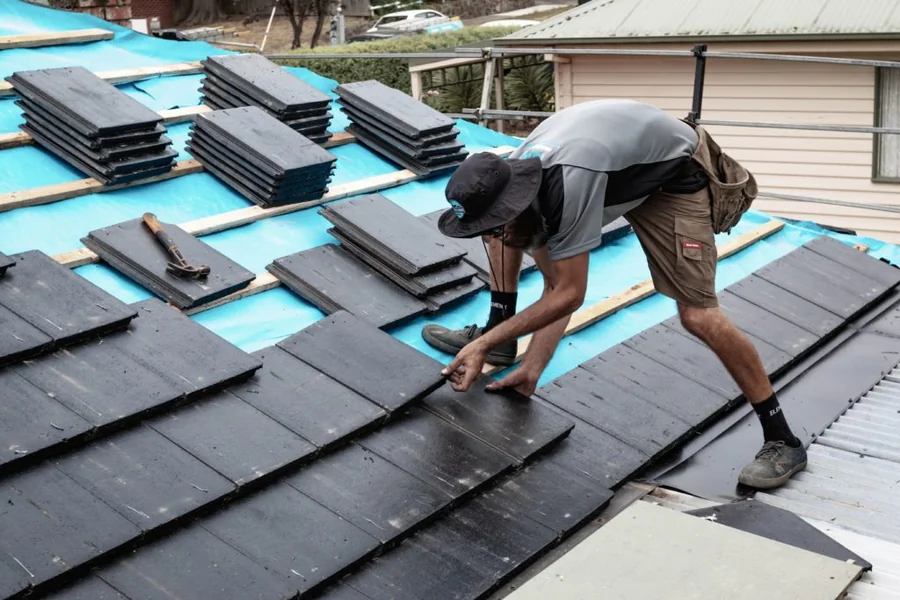
Roof plumbers are skilled tradespeople who specialize in the installation, maintenance, repair, and replacement of roofing systems and the plumbing components associated with them. While the term might sound like it refers only to people who fix roof leaks, the job is actually much broader and more technical. Roof plumbers work with a variety of materials, tools, and systems to ensure that water is properly directed off buildings and that roofs remain watertight, durable, and safe.
In modern construction, roof plumbing is an essential part of both residential and commercial building projects. Without properly installed roofing drainage systems, buildings can suffer from water damage, mold growth, structural deterioration, and a range of costly long-term issues. Roof plumbers play a crucial role in preventing these problems by designing and installing systems that efficiently manage rainwater and protect the integrity of the structure.
What Roof Plumbers Do
At its core, roof plumbing involves controlling the flow of water on and around roofs. This includes installing gutters, downpipes, flashing, roof sheeting, and stormwater drainage systems. Roof plumbers ensure that rainwater is collected and directed away from the building in a controlled manner, preventing pooling or overflow that could damage walls, ceilings, or foundations.
One of the key tasks of a roof plumber is installing metal roofing. This often involves materials such as steel, aluminium, or zinc-based products. These materials are cut, shaped, and fitted precisely to ensure a tight seal against weather conditions. Roof plumbers also install insulation and vapor barriers where required, helping improve energy efficiency and reduce moisture buildup inside buildings.
Another major responsibility is the installation and maintenance of gutters and downpipes. Gutters run along the edges of roofs and collect rainwater, while downpipes carry it safely to the ground drainage system. If these components are poorly installed or blocked, water can overflow and cause significant damage. Roof plumbers ensure these systems are correctly sized, properly sloped, and securely attached to the building.
Flashing is another critical part of the job. Flashing refers to thin pieces of metal installed at joints, edges, and transitions on a roof—such as around chimneys, skylights, or roof valleys. Its purpose is to prevent water from seeping into vulnerable areas. Installing flashing correctly requires precision and experience, as even small gaps can lead to leaks.
Skills and Training Required
Becoming a skilled roof plumber requires a combination of technical training, hands-on experience, and physical ability. Most roof plumbers complete an apprenticeship, which typically lasts several years. During this time, they learn how to use tools safely, interpret building plans, and work with different roofing materials.
Mathematical skills are also important in roof plumbing. Professionals often need to calculate slopes, angles, and measurements to ensure proper water drainage. A small error in measurement can result in water pooling or improper runoff, so accuracy is essential.
An experienced roof plumber develops strong problem-solving skills, especially when dealing with complex roof designs or unexpected structural issues. Over time, they learn how to quickly identify potential weak points in a roofing system and apply practical solutions that ensure long-term durability.
Roof plumbers must also have a strong understanding of building codes and regulations. These rules ensure that roofing systems meet safety and performance standards. In many regions, roof plumbers must be licensed or certified before they can work independently.
Physical fitness is another key requirement. Roof plumbing often involves working at heights, carrying heavy materials, and performing tasks in various weather conditions. Safety training is crucial, as the job can involve risks such as falls, sharp materials, and power tools.
Tools and Materials Used
Roof plumbers rely on a wide range of tools and equipment. These include hand tools such as hammers, snips, measuring tapes, and levels, as well as power tools like drills, grinders, and rivet guns. Specialized equipment such as sheet metal brakes is used to bend and shape metal roofing materials.
Safety equipment is also essential. Roof plumbers commonly use harnesses, scaffolding, ladders, and protective gear such as gloves and helmets to prevent injuries while working at heights.
The materials used in roof plumbing vary depending on the project. Common roofing materials include corrugated metal sheets, Colorbond steel, and aluminium. Gutters and downpipes are typically made from metal or PVC. Sealants, adhesives, and waterproof membranes are also used to ensure watertight construction.
Importance of Roof Plumbing
Roof plumbing plays a critical role in protecting buildings from water damage. Without properly designed drainage systems, even a small amount of rainfall can lead to serious structural issues over time. Water infiltration can weaken timber, rust metal components, damage insulation, and promote the growth of mold and mildew.
In addition to protecting structures, good roof plumbing also contributes to the overall efficiency of a building. Properly installed roofing systems help regulate temperature, reduce energy costs, and improve indoor comfort. For example, reflective metal roofing can reduce heat absorption, while proper insulation helps maintain stable temperatures inside the building.
Roof plumbing is also important for environmental reasons. Many modern systems are designed to collect and redirect rainwater for reuse. Rainwater harvesting systems can store water for irrigation, cleaning, or even household use in some cases. Roof plumbers often install these systems as part of sustainable building practices.
Residential vs Commercial Roof Plumbing
Roof plumbing work can vary significantly depending on whether the project is residential or commercial. Residential roof plumbers typically work on houses, small apartment buildings, and renovations. Their tasks often include repairing leaks, replacing gutters, and installing new roofing systems on homes.
Commercial roof plumbing, on the other hand, involves larger and more complex structures such as warehouses, office buildings, and industrial facilities. These projects often require advanced drainage systems capable of handling large volumes of water. Commercial roof plumbers may also work with more complex architectural designs and stricter regulatory requirements.
Common Problems Roof Plumbers Fix
Roof plumbers are often called to fix a variety of issues related to water damage and roofing failure. Some of the most common problems include leaking roofs, blocked gutters, rusted metal sheets, and damaged flashing.
Leaking roofs can occur for many reasons, such as poor installation, aging materials, or storm damage. Roof plumbers identify the source of the leak and repair or replace the affected areas.
Blocked gutters are another frequent issue. Leaves, debris, and dirt can accumulate over time, preventing water from flowing properly. Roof plumbers clean and maintain gutters to ensure they function correctly.
Rust and corrosion are also common, especially in older metal roofs. In these cases, roof plumbers may replace damaged sections or apply protective coatings to extend the life of the roof.
The Future of Roof Plumbing
The roofing and construction industries are constantly evolving, and roof plumbing is no exception. New materials, technologies, and environmental standards are shaping the future of the trade.
One major trend is the increasing use of sustainable and energy-efficient materials. Solar roofing systems, for example, integrate solar panels directly into roofing structures. Roof plumbers are often involved in installing and maintaining these systems, which require specialized knowledge.
Another development is the use of advanced waterproofing systems and coatings that improve durability and reduce maintenance needs. Digital tools, such as laser measuring devices and building design software, are also making roof plumbing more precise and efficient.
As climate change leads to more extreme weather events, the demand for reliable roof plumbing is expected to grow. Heavy rainfall, storms, and temperature fluctuations put additional stress on roofing systems, making skilled roof plumbers more important than ever.
Conclusion
Roof plumbers are essential professionals in the construction and maintenance of safe, durable buildings. Their work ensures that roofs are properly installed, water is effectively managed, and structures are protected from damage. From residential homes to large commercial buildings, roof plumbers play a vital role in maintaining the integrity and longevity of our built environment.
With a combination of technical skill, practical experience, and attention to detail, roof plumbers help keep buildings safe, dry, and efficient. As construction methods and environmental standards continue to evolve, their expertise will remain in high demand for years to come.
