

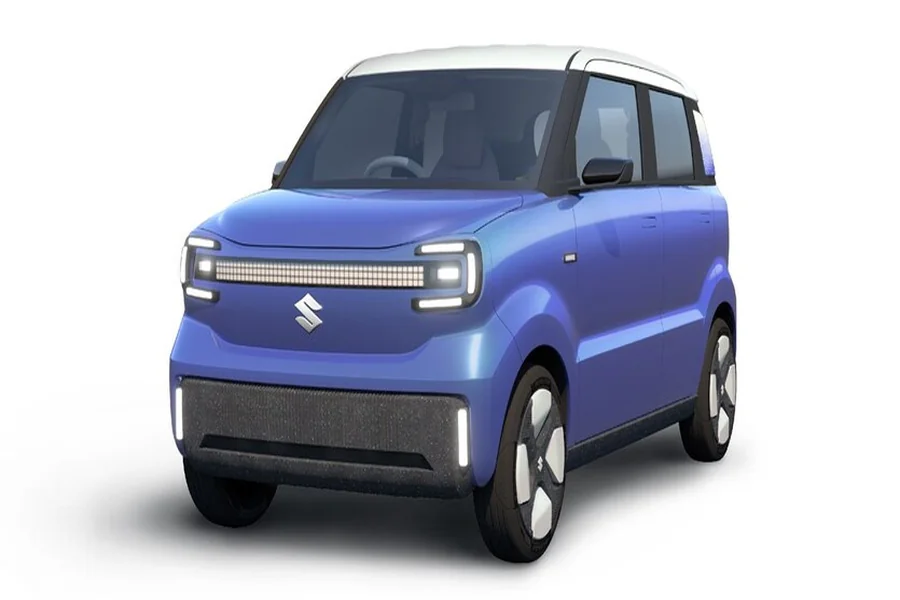
Suzuki Motor Corporation is one of the most recognized automotive brands globally, known for producing vehicles that combine affordability, reliability, and efficiency. Founded in 1909 by Michio Suzuki in Hamamatsu, Japan, Suzuki originally focused on weaving looms before branching into motor vehicles in the 1930s. Over the decades, Suzuki evolved into a major player in the global automotive market, offering a wide range of cars, SUVs, and compact vehicles that cater to different consumer needs.
A Legacy of Innovation
Suzuki’s history in automobiles officially began in 1955 with the launch of the Suzulight, a lightweight vehicle designed for Japan’s post-war economy. The Suzulight pioneered many features that became standard in small cars, including front-wheel drive, four-wheel independent suspension, and rack-and-pinion steering. This early commitment to technological innovation set the tone for Suzuki’s future vehicles. Even today, a skilled Suzuki mechanic is often praised for their deep understanding of these classic engineering principles, maintaining and restoring older models with precision.
Throughout the 1970s and 1980s, Suzuki focused heavily on compact cars, motorcycles, and all-terrain vehicles. The company’s emphasis on small but versatile vehicles allowed it to penetrate international markets, especially in Asia and Europe. Its vehicles became synonymous with efficiency and reliability, catering to consumers seeking practical urban transportation solutions.
Suzuki’s Popular Car Models
Suzuki has produced numerous iconic models over the years, each serving distinct segments of the automotive market. Some of the most notable models include:
1. Suzuki Swift
The Swift is arguably Suzuki’s most famous model. First introduced in 1983 and later redesigned in 2004, the Swift is a subcompact hatchback known for its sporty design, fuel efficiency, and affordability. It has consistently appealed to urban drivers due to its compact size, responsive handling, and modern features such as touchscreen infotainment systems and advanced safety technologies. The Swift has received multiple awards for its design and efficiency, cementing its reputation as a reliable small car.
2. Suzuki Vitara
The Vitara is a compact SUV that first appeared in 1988. Over the years, the Vitara has evolved from a rugged off-road vehicle to a more refined urban SUV with advanced safety features, fuel-efficient engines, and modern design aesthetics. The Vitara is particularly popular in Europe and Asia, offering a blend of off-road capability and city-friendly practicality. Its combination of style, comfort, and technology makes it a strong competitor in the compact SUV segment.
3. Suzuki Jimny
The Jimny is a small off-road vehicle with a cult following. Known for its boxy design, exceptional off-road performance, and lightweight frame, the Jimny appeals to adventure enthusiasts who require a vehicle capable of handling challenging terrains. Despite its compact size, the Jimny boasts durable construction and modern safety features, maintaining Suzuki’s reputation for building tough yet accessible vehicles.
4. Suzuki Celerio
The Celerio is a city-focused vehicle designed for efficiency and practicality. Introduced in 2008, the Celerio emphasizes fuel economy, compact dimensions, and affordability, making it an ideal choice for congested urban environments. Its small footprint, smooth handling, and low maintenance costs make it popular among first-time car buyers and city dwellers.
5. Suzuki Ertiga
For families needing more space without compromising on affordability, the Ertiga is a multi-purpose vehicle that combines seating for seven with Suzuki’s signature efficiency. Launched in 2012, the Ertiga offers comfort, safety, and versatility, appealing to markets in Southeast Asia and India where demand for practical family vehicles is high. Its compact MPV design allows it to navigate city streets while accommodating larger groups of passengers comfortably.
Commitment to Technology
Suzuki has consistently invested in research and development to improve performance, safety, and environmental sustainability. The company focuses on producing engines that balance power and fuel efficiency, often incorporating technologies like Dualjet fuel injection systems and lightweight construction materials.
In the realm of safety, Suzuki vehicles are equipped with features such as Anti-lock Braking System (ABS), Electronic Stability Program (ESP), airbags, and collision mitigation systems, reflecting the brand’s commitment to driver and passenger protection. Recent models have also embraced connectivity and smart technologies, including touchscreen infotainment systems compatible with Android Auto and Apple CarPlay, keyless entry, and rear-view cameras.
Global Market Presence
Suzuki operates in more than 190 countries, with production plants strategically located to meet local demand. Its vehicles are particularly popular in India, where Maruti Suzuki, a joint venture between Suzuki and the Indian government, dominates the passenger car market. Maruti Suzuki’s lineup includes models like the Swift, Vitara Brezza, and Dzire, tailored to Indian consumers’ preferences for compact, fuel-efficient vehicles.
In Europe, Suzuki has carved out a niche in the small car and compact SUV segments, with models like the Swift and Vitara competing effectively against larger brands. In Africa and Latin America, Suzuki vehicles are appreciated for their affordability, low maintenance costs, and adaptability to varied road conditions.
Environmental Initiatives
Suzuki recognizes the importance of sustainability and has introduced hybrid and eco-friendly vehicles to reduce its environmental impact. The company’s Suzuki Smart Hybrid technology combines a traditional petrol engine with an integrated starter-generator to optimize fuel efficiency and reduce emissions. By improving energy recovery during braking and idling, these hybrid systems lower overall fuel consumption without compromising performance.
Additionally, Suzuki is investing in research for electric vehicle (EV) technology, with prototypes and small-scale production models emerging in select markets. While the brand’s EV presence is currently limited compared to industry giants, Suzuki’s gradual adoption of green technologies reflects a commitment to long-term sustainability.
Challenges and Future Outlook
Like many automakers, Suzuki faces challenges in adapting to rapidly changing automotive trends. Increasing consumer demand for electric vehicles, stricter emission regulations, and rising competition from global brands require strategic innovation and market responsiveness. However, Suzuki’s reputation for affordable, reliable, and compact vehicles positions it well to continue thriving, particularly in emerging markets where cost-effective transportation remains a priority.
Suzuki’s future strategy involves expanding hybrid and electric offerings while maintaining its core strengths in small cars and SUVs. By leveraging partnerships, such as with Toyota in joint development of EV platforms, Suzuki aims to balance technological advancement with the affordability and reliability its customers expect.
Conclusion
Suzuki cars have carved a unique place in the global automotive industry. From the historic Suzulight to the modern Swift, Vitara, and Jimny, Suzuki has consistently delivered vehicles that are practical, reliable, and innovative. Its focus on small cars, fuel efficiency, and durability has allowed it to penetrate diverse markets while maintaining strong brand loyalty.
As the automotive world shifts toward electrification and smarter technologies, Suzuki is adapting strategically, investing in hybrids and EV development while preserving its reputation for affordability and accessibility. For consumers seeking vehicles that combine practicality with cutting-edge engineering, Suzuki continues to offer compelling choices across multiple segments.
Whether navigating congested city streets or exploring off-road trails, Suzuki cars embody a balance of reliability, innovation, and affordability—a legacy that has endured for over seven decades and continues to shape the future of mobility worldwide.
