

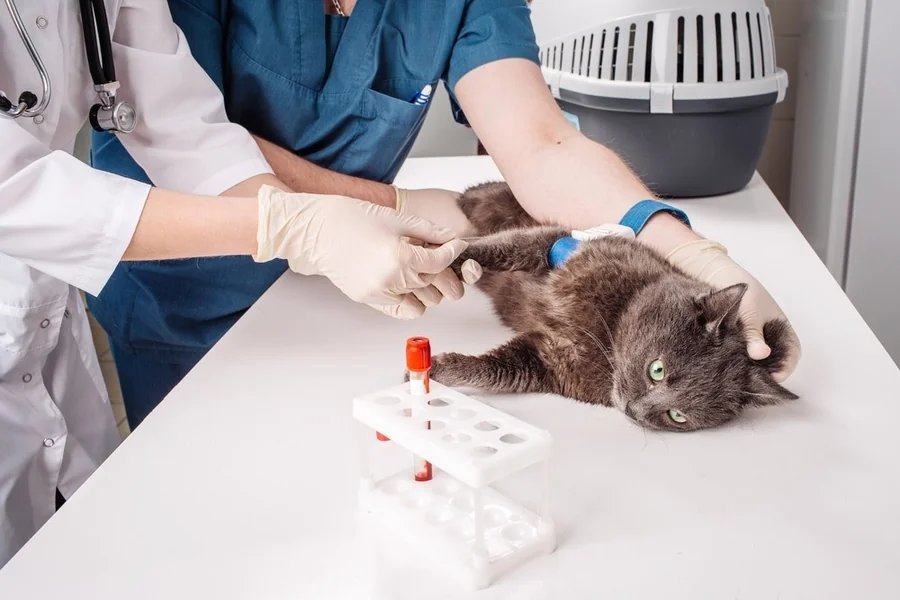
Early disease detection in pets depends on you and your veterinary hospital working together. Routine visits do more than update vaccines. They reveal small changes in behavior, weight, or movement that point to hidden disease. A veterinarian in Gainesville, FL can use simple checks, clear questions, and basic tests to catch problems before they grow. Early care often means shorter treatment, lower cost, and less pain for your pet. It also gives you more options and more control. Many serious problems start with quiet signs that you might miss at home. Regular exams turn those quiet signs into clear warnings. Your veterinary hospital becomes a partner that watches for patterns, tracks results, and guides your choices. You give history. They give skill. Together you give your pet a better chance at a longer, more steady life.
Why early disease detection matters for your pet
Your pet cannot explain pain, fear, or sickness. You see what is on the surface. Your veterinary hospital looks inside the body and behind the signs.
Early detection matters for three simple reasons. It protects health. It reduces cost. It eases stress for you and your pet.
Many common problems start small. Heart disease, kidney disease, diabetes, cancer, and dental disease grow in silence. The American Veterinary Medical Association explains that regular exams help catch these problems before they reach a crisis. A quiet change in heart sound or a slight rise in kidney values can appear long before your pet stops eating or shows clear pain.
How veterinary hospitals find hidden disease
Your veterinary hospital uses simple steps that build on each other. Each visit often includes three core parts.
- History
- Physical exam
- Screening tests
First, staff ask about changes at home. They listen for shifts in thirst, urine, stool, sleep, or mood. These details guide what to check next.
Next, the veterinarian checks your pet from nose to tail. They listen to the heart and lungs. They feel the abdomen. They check eyes, ears, skin, teeth, and joints. Small signs such as a heart murmur, a lump, or red gums can point to ticking problems.
Then, your veterinary hospital may run simple tests. Common tests include blood work, urine checks, and fecal checks. The Centers for Disease Control and Prevention notes that some pet diseases also affect people. Early testing protects your pet and your family.
Common screening tests and what they reveal
Many hospitals suggest a basic group of tests each year. These tests look for disease in organs and systems before clear signs appear.
| Screening test | What it checks | Problems it can reveal early
|
|---|---|---|
| Physical exam | Eyes, ears, mouth, skin, heart, lungs, abdomen, joints | Heart disease, arthritis, skin infection, ear infection, dental disease, tumors |
| Blood work | Organ function, blood cells, blood sugar | Kidney disease, liver disease, anemia, infection, diabetes |
| Urinalysis | Kidney health, bladder, sugar, infection | Kidney disease, urinary infection, diabetes, bladder stones |
| Fecal test | Parasites in stool | Roundworms, hookworms, other parasites that drain health |
| Heartworm and tick tests | Blood for heartworm and tick diseases | Heartworm disease, Lyme disease, other tick infections |
The role of routine visits across your pet’s life
Your pet’s needs change with age. Your veterinary hospital adjusts the plan as your pet grows.
- Puppies and kittens need frequent visits to track growth, give vaccines, and check for birth defects or early infections.
- Healthy adults need exams at least once a year. Some pets need visits every six months. These checks keep watch on weight, teeth, heart, and parasites.
- Senior pets often need more frequent visits and more lab tests. Age brings higher risk for cancer, kidney disease, and arthritis.
Each stage uses the same goal. Find trouble early. Act before suffering grows.
What you can watch for at home
You live with your pet each day. You are the first guard. Your veterinary hospital is the second guard. Together, you cover more ground.
Call your veterinary hospital if you notice three types of change.
- Change in eating or drinking. This includes loss of appetite, sudden hunger, or new thirst.
- Change in energy or movement. This includes limping, slowing on walks, hiding, or restlessness.
- Change in bathroom habits. This includes accidents, straining, blood, or much more or less urine.
Other signs also matter. Bad breath, lumps, coughing, or weight change need a check. Quick action can turn a crisis into a simple plan.
How early detection protects your family budget
Late disease often means emergency care, hospital stays, and complex treatment. Early disease often needs simple medicine, diet change, or tooth care. The cost gap can be large.
Routine exams and screening tests are an investment. They spread the cost over time. They cut the risk of large surprise bills. They also help you plan. Your veterinary hospital can explain which tests fit your pet’s age, breed, and history, so you pay for what your pet needs most.
Your partnership with the veterinary hospital
Strong early detection rests on trust. You share honest details about your home, your pet’s habits, and your concerns. Your veterinary hospital shares clear findings, clear options, and clear costs.
You can support this partnership by doing three simple things.
- Keep a small notebook or phone log of changes in your pet.
- Bring a fresh stool sample or follow instructions for tests before visits.
- Ask for written plans so you can follow the steps at home.
Steady teamwork between you and your veterinary hospital guards your pet’s health. Quiet signs gain a voice. Disease loses time to grow. Your pet gains more days of calm, steady comfort with you.
