

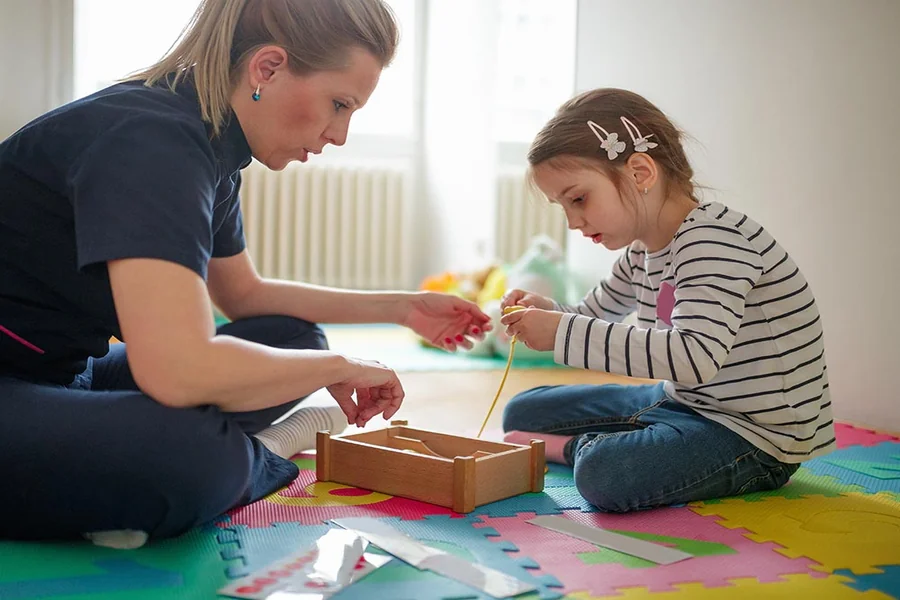
Early childhood is one of the most important stages of development. During these early years, children learn how to communicate, interact, and build the foundation for future learning. However, some children may experience developmental delays in areas such as speech, motor skills, or social interaction. This is where early intervention plays a crucial role.
Early intervention programmes are designed to support children at a young age, helping them overcome challenges and develop essential life skills. The earlier the support begins, the better the chances of improving long term outcomes.
What Are Early Intervention Programmes
Early intervention is a structured approach that combines education and therapy to help children meet developmental milestones. These programmes are not limited to one type of support. They often include a mix of speech therapy, occupational therapy, behavioural support, and social skills training.
The goal is to create a well rounded learning environment where children can grow at their own pace. Instead of a one size fits all approach, programmes are tailored to suit each child’s specific needs and abilities.
This is where The Growing Academy’s Early Intervention Programmes come into focus, offering structured and personalised support designed to help children build strong foundations during their early years.
Why Early Support Matters
One of the key reasons early intervention is so effective is because young children’s brains are highly adaptable. This means they can learn and develop new skills more easily when support is introduced early.
Without proper guidance, small developmental gaps can grow over time, making it harder for children to catch up later. Early intervention helps address these gaps before they become more significant challenges.
It also supports emotional development. Children who receive early support often show improved confidence, better communication, and stronger social interactions.
Personalised Learning for Every Child
Every child is different, and their learning journey should reflect that. Early intervention programmes are designed to be flexible and personalised. Each child typically follows an individualised plan that focuses on their strengths while addressing areas that need improvement.
This personalised approach ensures that children are not compared to others but are supported based on their own pace and abilities. It also allows educators and therapists to adjust strategies as the child progresses.
Key Areas of Development
Early intervention programmes usually focus on several important areas:
Language and communication skills help children express their needs and understand others.
Cognitive development supports thinking, problem solving, and learning abilities.
Motor skills improve physical coordination and movement.
Social and emotional skills help children interact with others and manage their emotions.
By addressing all these areas together, children receive a more balanced and holistic form of support.
Combining Education and Therapy
One of the strengths of modern early intervention is the integration of therapy within a learning environment. Instead of separating therapy sessions from education, many programmes combine both into a single structured routine.
This approach allows children to learn skills in a natural setting. For example, communication skills can be developed during play activities, while social skills can be practised during group interactions.
Such integration makes learning more effective because children are able to apply what they learn in real life situations.
Preparing for School and Beyond
A major goal of early intervention is to prepare children for mainstream education. By building strong foundational skills, these programmes help children transition more smoothly into school environments.
Children who receive early support are often better equipped to handle classroom routines, follow instructions, and interact with peers. This increases their chances of adapting successfully to formal education.
In many cases, early intervention also helps children develop independence, which is an important skill for both school and everyday life.
The Role of Parents and Caregivers
Parents play a vital role in the success of early intervention. Consistent support at home reinforces what children learn during their sessions. When parents are involved, children often show faster and more consistent progress.
Many programmes encourage parent participation by providing guidance and strategies that can be used in daily routines. This creates a supportive environment where learning continues beyond the classroom.
Collaboration between parents, educators, and therapists ensures that the child receives consistent and effective support.
A Holistic Approach to Development
Early intervention is not just about addressing delays. It is about helping children reach their full potential. A holistic approach looks at the child as a whole, focusing on their physical, emotional, and cognitive development.
By combining different methods and strategies, these programmes create a supportive environment where children feel encouraged to learn and grow. This approach helps build confidence and independence over time.
Conclusion
Early intervention plays a critical role in shaping a child’s future. By identifying and addressing developmental needs early, it provides children with the tools they need to succeed in school and beyond.
The Growing Academy’s Early Intervention Programmes reflect this approach by offering structured, personalised, and holistic support for young children. With the right guidance and environment, children can overcome challenges, build essential skills, and move forward with confidence.
For parents, understanding the value of early intervention can make a meaningful difference in their child’s developmental journey. Taking action early is not just about support, it is about creating the best possible start for a child’s future.
