

Introduction
A material is a critical ingredient in any construction and design project today where appearance and efficiency has become an important matter. One of the most notable changes that are having an impact in the industry is the transition from using wood to Wood Plastic Composite (WPC) materials in the production of tiles. This trend is particularly noticeable in wall cladding and decorative features and durable WPC wall panels can do this job well. What has prompted this shift has always been top performance, sustainability and smart economics of planning for the future.
The Drawbacks of Conventional Wood
Wood is a highly traditional building material that has been used for ages, cherished for its natural beauty, versatility and warmth. But traditional wood does have its downsides:
- Weathering Resistance: Because the wood is sensitive to water, insects, and sunlight, it can be damaged by these if used in an outdoor setting, or if used for outdoor pieces. pool chlorine and salt.
- High Maintenance: Wood needs to be painted, sealed, or stained every few years to keep it looking good and protect it from moisture.
- Pest Problems: Termites, mold, and mildew are a source of constant concern, as if we need to add even more to the list of upkeep costs at a time when most of us are suffering from information overload.
- Low Lifespan: Wood deteriorates quicker than more modern alternatives, even under increasingly fastidious care.
These problems mean that wood is not an appealing option for long-term value for builders and low-maintenance for clients.
Why WPC Is Gaining So Much Popularity?
WPC, or Wood Plastic Composite is the perfect combination of natural wood fiber with polymer resins. The result is something that is stronger, more durable and Eco-friendly.
-
Durability and Strength
Builders are turning to Solid WPC wall panels to cover it up because it won’t support bacteria and ants and will provide a good finish for decades. In comparison to wood, WPC does not splinter, it is durable and resistant to rot and wood eating organisms.
-
Low Maintenance
WPC simply would only need to be swept with a little water. And when installed, there is never a need to repaint, refinish, or apply chemical treatments, which means homeowners will save a significant amount of time and expense over the years.
-
Eco-Friendly Advantage
Sustainability in construction is key. WPC tends to be made from reclaimed plastics and wood fibers, saving trees (and our precious waste-hauling resources.) WPC-accepting builders also attempt to present themselves as eco-responsible.
-
Aesthetic Versatility
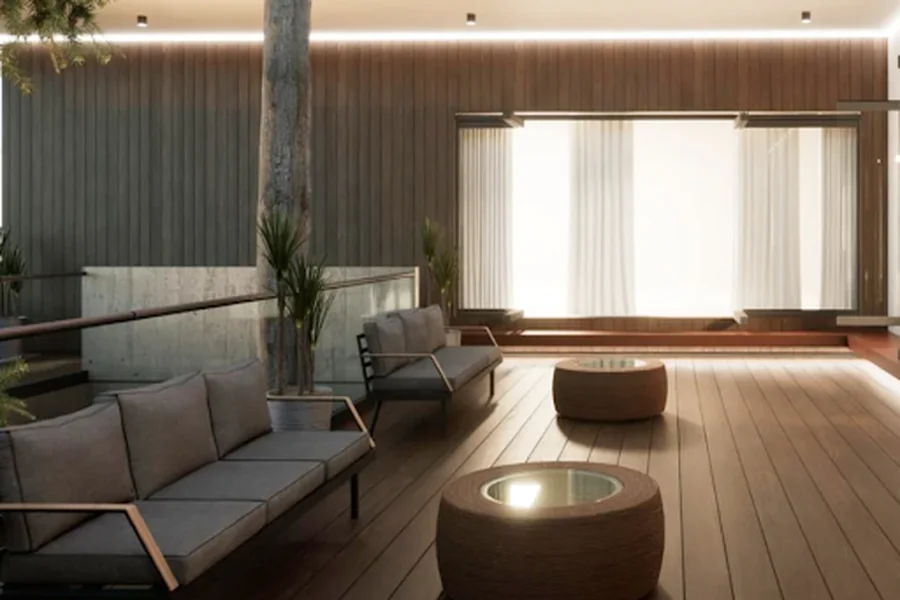
WPC panels have a good strength and weight to them, and also have the added benefit that they are quite pleasing to the eyes due to their high-tech look that is quite similar to natural wood texture, and they are available in a large variety of different colour options and finishes. This versatility enables architects and designers to be creative and to design modern stylish spaces which are more economically and environmentally sustainable.
-
Cost-Effectiveness Over Time
Although the installation costs of wood plastic composite is slightly higher than wood, the long-term maintenance, repairs, and replacement costs are lower. Builders know that giving their customer products that have low lifetime costs adds to their reputation as a smart builder, and delivers returns they and their customers can rely on.
Practical Tools in Contemporary Building
You can now find WPC construction projects in residential, commercial, and even public places! Examples include:
- External wall cladding: Because of its long-lasting performance wall cladding is one of the most popular applications for WPC in bust and rainy days.
- Interiors: WPC panels give a new attractive and durable material to the interior of a house or office room.
- Outdoor areas: Patios, balconies and fencing all benefit from WPC’s resistance to rain, temperatures and bugs.
This broad category of materials means that it is no longer such a novelty and that there is already a saturation effect, however it also means that the WPCs material movement is here to stay.
The Smart Builder’s Perspective
For professional builders, material selection boils down to much more than offering a pretty picture — it’s an ethic steeped in centuries of experience designed to provide long-term satisfaction for homeowners. Here’s why they opt to use WPC instead of wood:
- Deliver environmentally friendly and easy-to-maintain solutions that conform to Clients’ expectations.
- Limit cancellations or repeat service calls.
- Get ahead of your competition by being up to speed on the latest building technologies.
And clients feel assured that their purchase is going to stand the test of time. This shared victory is why more and more stakeholders are slowly transitioning from natural wood to WPC.
Conclusion
Transition from wood to WPC is a well received construction method. However, as beautiful and traditional as wood is, it’s not great for the wear and tear of a family setup and maintenance can be expensive. Strong, durable WPC wall panels offer a level of looks, workability and performance superior to the competition. Smart builders, by changing the way projects are built, are not only realizing even better project results but pushing the entire industry towards a more efficient and sustainable future.
