

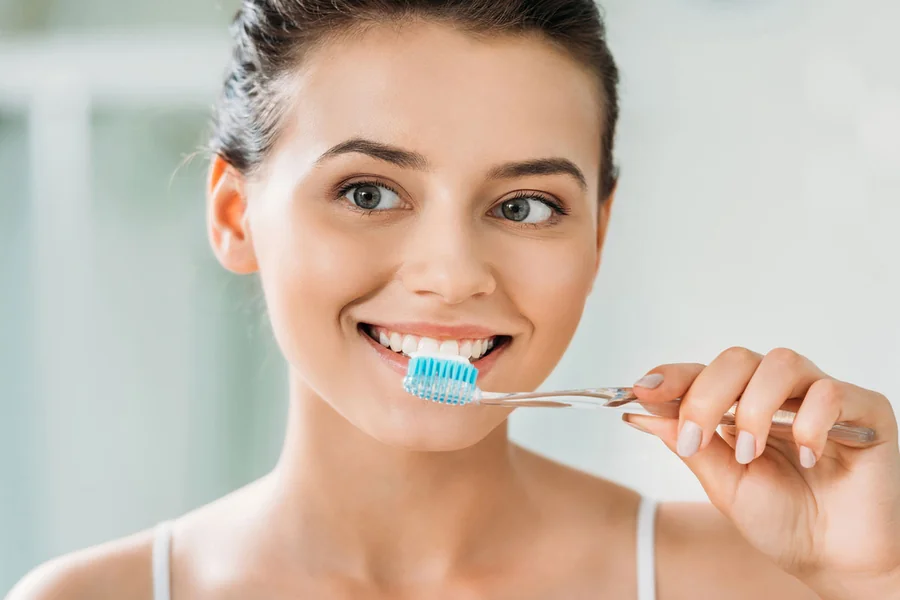
You brush, you buy the toothpaste, you remind the kids, and somehow cavities still show up at checkups. That can feel frustrating fast, especially when you are trying to keep everyone healthy without turning your home into a battleground over snacks and bedtime routines. A Dekalb dentist can help you spot where tooth decay may be starting, since it often begins with small daily habits that seem harmless, which is why a few steady changes at home can do more than another round of promises to brush better.
The good news is that cavity prevention usually does not require a total reset. A handful of practical shifts can lower sugar exposure, strengthen enamel, and make oral care easier to keep up with. If you are looking for household dental habits that reduce cavities, start with what happens in your kitchen, your bathroom, and your family schedule. Those patterns shape your risk more than most people realize.
Daily routines at home often drive cavity risk
Cavities form when bacteria in the mouth feed on sugars and starches, then produce acids that wear down tooth enamel. According to the NIH overview of tooth decay, this process can affect children and adults alike, and it does not always cause pain early on. That is part of the problem. A child can seem fine, an adult can skip flossing for a while, and decay can still be building quietly.
Many families focus on brushing alone, but brushing cannot fully undo an all day pattern of sipping juice, grabbing sticky snacks, or falling asleep without cleaning teeth. You may have seen this yourself. One child barely touches candy but snacks constantly on crackers. Another drinks sports drinks after practice and brushes once a day. Someone in the house keeps a bedside soda. These are not dramatic habits, but they create repeated acid attacks on teeth.
That is why simple ways to prevent cavities at home matter. The goal is not perfection. The goal is fewer chances for bacteria to feed and more support for enamel between meals.
Fluoride, food timing, and brushing technique change the outcome
The first change is using fluoride consistently. Fluoride helps strengthen enamel and can even reverse very early damage. The CDC explains how fluoride protects teeth and helps prevent decay. If your toothpaste is fluoride based and everyone uses it twice a day, you are already giving teeth a better chance to recover from daily acid exposure.
The second change is controlling how often teeth are exposed to sugar, not just how much sugar your family eats. A dessert with dinner is usually less harmful than grazing on sweet or starchy snacks for hours. Teeth need time to recover. If your child carries a juice box around the house or snacks every hour after school, the mouth stays in a more acidic state for longer.
The third change is brushing and flossing in a way that actually removes plaque. Quick brushing does not count for much if the back molars are missed and floss never reaches between teeth. For children, supervision often needs to last longer than parents expect. The CDC also shares oral health tips for children that can help parents build better routines early.
The fourth change is rethinking what sits within easy reach at home. If the counter always has gummy snacks, soda, or sweet coffee drinks, those become the default. If water bottles, cheese, apples, and unsweetened options are easier to grab, family habits shift without constant lectures.
The fifth change is replacing worn toothbrushes and making oral care visible. A frayed brush does not clean well. A child who cannot find floss or toothpaste is less likely to use it. Keep supplies simple, stocked, and easy to reach.
Small household dental changes can save money and stress
Most people do not think about the financial side until a filling, crown, or emergency visit appears. Cavities are not just a dental issue. They can mean missed school, time off work, pain during meals, and treatment costs that are much higher than the price of toothpaste, floss, and a few better grocery choices.
This is where a family dentist often sees the pattern clearly. One household may have good intentions but weak routines. Another may brush regularly but overlook frequent snacking. Home care and professional care work best together, because one supports the other. A dentist can catch weak spots early, but the daily environment at home usually decides whether new decay keeps forming.
Practical household habits compared side by side
| Household Habit | Higher Cavity Risk | Lower Cavity Risk |
|---|---|---|
| Drinks during the day | Sipping juice, soda, or sports drinks for hours | Choosing water between meals and limiting sweet drinks |
| Snacking pattern | Frequent grazing on crackers, chips, candy, or dried fruit | Planned snack times with fewer eating episodes |
| Night routine | Brushing quickly or falling asleep without brushing | Two full minutes of brushing with fluoride toothpaste before bed |
| Flossing | Only flossing when food gets stuck | Daily flossing, especially where teeth touch tightly |
| Home setup | Sweet snacks and drinks kept in plain sight | Water and lower sugar options easy to grab |
Three steps you can start today
- Reset the kitchen defaults. Put water where everyone can see it. Move sugary drinks and sticky snacks out of daily reach. Pick one or two lower sugar snacks your family will actually eat, then keep those stocked.
- Tighten the bedtime routine. Night brushing matters because saliva drops during sleep, and teeth stay exposed longer if plaque and food are left behind. Use fluoride toothpaste, brush for two minutes, and floss before bed, even if the morning routine is rushed.
- Match home care with regular dental visits. If someone in the family keeps getting cavities, do not assume they just have bad teeth. Ask a family dentist to look at brushing technique, fluoride use, diet patterns, and dry mouth issues. Small corrections can change a lot.
Better home habits can lower cavity risk for the whole family
If you have felt like you are doing everything and still losing ground, you are not alone. Cavities often come from ordinary routines that build up over time, not from one obvious mistake. A few steady changes at home can reduce the cycle of decay, treatment, and stress.
Focus on the basics, keep them consistent, and get support when patterns are not improving. A trusted family dentist can help you turn these cavity prevention tips into routines that fit real life.
