

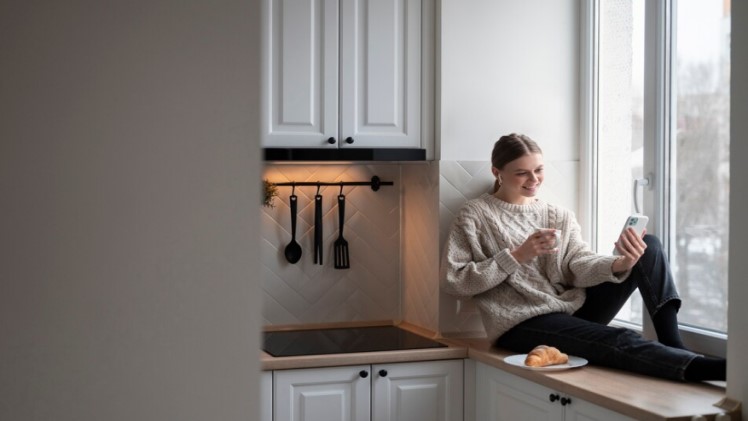
Small kitchens present a unique set of challenges and opportunities in the realm of interior design. As urban living spaces become increasingly compact, the demand for efficient, stylish, and functional small kitchens has surged. Designing a small kitchen involves more than just scaling down; it requires a strategic approach to maximize every square inch while ensuring that the space remains both aesthetically pleasing and highly practical. This article delves into the latest trends in designing small kitchens, exploring innovative solutions, design philosophies, and practical tips that can transform even the tiniest culinary spaces into vibrant and efficient hubs of activity.
These are the best kitchen remodeling ideas:
1. Space-Saving Layouts
One of the primary considerations in designing a small kitchen is the layout. Traditional kitchen layouts such as the L-shape, U-shape, and galley have been reimagined to suit smaller spaces. Each layout has its advantages, but the key is to optimize the flow and functionality.
- L-Shaped Layouts: These are particularly effective in small kitchens as they make good use of corner space and provide a decent amount of counter area. This layout can be enhanced with corner storage solutions such as lazy Susans or pull-out shelves.
- Galley Kitchens: Often found in older homes and apartments, galley kitchens consist of two parallel walls with a walkway in between. This layout is highly efficient for small spaces, as it minimizes the distance between work areas. Incorporating compact, built-in appliances can help maximize available space.
- U-Shaped Layouts: While U-shaped kitchens are more common in larger spaces, they can be adapted for small kitchens by ensuring that the ‘U’ is not too deep. This layout offers plenty of storage and counter space, but care must be taken to avoid a cramped feel.
2. Multi-Functional Spaces
In small kitchens, every element must serve multiple purposes. This trend involves integrating features that can adapt to various needs, thereby maximizing the utility of the space.
- Convertible Furniture: Items such as fold-down tables or extendable counters can provide extra workspace when needed and be tucked away when not in use. Kitchen islands with wheels can serve as prep stations, dining tables, or additional storage.
- Integrated Appliances: Combining appliances, such as an oven with a microwave function or a fridge with a freezer drawer, can save space and reduce clutter. Appliances that blend seamlessly into cabinetry help maintain a streamlined look.
3. Vertical Space Utilization
When floor space is limited, vertical space becomes invaluable. Utilizing walls and even ceilings can dramatically increase storage and functionality.
- Tall Cabinets: Extending cabinets to the ceiling provides extra storage for seldom-used items. This design choice also draws the eye upward, creating the illusion of a larger space.
- Open Shelving: Open shelves can make a kitchen feel more open and airy. They are ideal for displaying attractive dishware and keeping frequently used items within easy reach. However, keeping them organized is crucial to avoid a cluttered appearance.
- Hanging Storage: Installing hooks, magnetic strips, or pegboards can provide convenient storage for pots, pans, utensils, and other kitchen essentials. This method keeps countertops clear and adds a functional, decorative element to the kitchen.
4. Light and Color
The use of light and color plays a significant role in making small kitchens feel larger and more inviting. Strategic choices in these areas can enhance the perception of space.
- Light Colors: Light colors such as white, cream, and pastels reflect light and make a space feel larger. Monochromatic color schemes can unify the space and create a seamless look.
- Reflective Surfaces: Glossy finishes on cabinets, countertops, and backsplashes reflect light and add a sense of depth. Mirrors or mirrored tiles can also be used to create the illusion of a larger area.
- Layered Lighting: A combination of task, ambient, and accent lighting ensures that the kitchen is well-lit and functional. Under-cabinet lighting illuminates work surfaces, while pendant lights or chandeliers add a decorative touch.
5. Smart Storage Solutions
Efficient storage is crucial in small kitchens. Innovative storage solutions can help keep the kitchen organized and clutter-free.
- Pull-Out Pantries: Narrow pull-out pantries can fit into tight spaces and provide ample storage for dry goods and spices. These are especially useful in galley kitchens where space is at a premium.
- Drawer Organizers: Customizable drawer inserts for utensils, cutlery, and small kitchen gadgets keep items neatly arranged and easy to find. Deep drawers can be equipped with dividers for pots, pans, and lids.
- Corner Solutions: Utilizing corner spaces with solutions like carousel units or corner drawers can significantly increase storage capacity. These mechanisms allow easy access to items that would otherwise be hard to reach.
6. Sustainable Materials and Practices
Sustainability is an increasingly important consideration in kitchen layout. Using eco-friendly materials and practices can create a healthier and more environmentally conscious kitchen.
- Recycled and Reclaimed Materials: Countertops made from recycled glass, wood from reclaimed sources, and tiles from recycled materials contribute to a sustainable kitchen. These materials can add unique character and charm.
- Energy-Efficient Appliances: Choosing appliances with high energy-efficiency ratings reduces the kitchen’s carbon footprint. Look for ENERGY STAR-rated appliances, which are designed to consume less energy without compromising performance.
- Water-Saving Fixtures: Installing low-flow faucets and efficient dishwashers can reduce water consumption, an essential factor in sustainable kitchen design.
7. Personalization and Style
Even small kitchens should reflect the personality and style of their owners. Personal touches and thoughtful design elements can transform a utilitarian space into a welcoming and enjoyable environment.
- Bold Accents: Incorporating bold colors or patterns in a backsplash, an accent wall, or through accessories can add a splash of personality. These elements can be easily updated to keep the space looking fresh.
- Art and Decor: Adding artwork, plants, or decorative items can make the kitchen feel more inviting and personal. Even in small spaces, these touches can create a sense of warmth and character.
- Unique Hardware: Cabinet handles, drawer pulls, and faucets are opportunities to inject style into the kitchen. Unique or vintage hardware can act as the jewelry of the kitchen, providing a distinctive look.
8. Technological Integration
The modern kitchen is becoming increasingly connected, with technology playing a vital role in enhancing convenience and efficiency.
- Smart Appliances: Appliances that can be controlled via smartphone apps offer convenience and improved functionality. Examples include smart refrigerators with inventory tracking and ovens that can be preheated remotely.
- Voice-Activated Assistants: Integrating devices like Amazon Alexa or Google Assistant can simplify tasks such as setting timers, creating shopping lists, and finding recipes hands-free.
- Under-Cabinet Charging Stations: Creating dedicated spaces for charging devices keeps countertops free of clutter and ensures that gadgets are always ready to use.
9. Compact and Modular Designs
Furniture and appliances designed specifically for small spaces are becoming more popular. These compact and modular designs provide the functionality of their larger counterparts without occupying excessive space.
- Slimline Appliances: Narrow dishwashers, under-counter fridges, and compact ovens fit into small spaces while providing the same level of performance. These appliances are essential for maintaining a streamlined kitchen.
- Modular Units: Modular kitchens, which consist of pre-made units that can be configured in various ways, offer flexibility in design and installation. These units can be customized to fit the specific dimensions and needs of the kitchen.
- Space-Efficient Furniture: Folding chairs, drop-leaf tables, and stackable stools are practical choices for small kitchens. These pieces can be easily stored away when not in use, freeing up valuable floor space.
10. Ergonomic Design
Ergonomics is crucial in kitchen design, especially in small spaces where every movement counts. Designing with ergonomics in mind ensures that the kitchen is comfortable and efficient to use.
- Optimal Counter Heights: Standard counter height may not be ideal for everyone. Customizing counter heights to suit the primary user can make food preparation more comfortable and reduce strain.
- Accessible Storage: Placing frequently used items within easy reach reduces the need for bending or stretching. Pull-out shelves and drawers can make accessing items more convenient.
- Task Zoning: Grouping similar tasks together in designated zones (such as prep, cooking, and cleaning zones) can streamline workflow and improve efficiency. This approach is particularly effective in small kitchens, where space must be used wisely.
11. Minimalism and Clutter-Free Aesthetics
A minimalist approach is particularly well-suited to small kitchens. Keeping the design simple and clutter-free creates a sense of calm and spaciousness.
- Streamlined Cabinets: Flat-front cabinets with minimal hardware create a clean, modern look. Handleless cabinets, which open with a push mechanism, further enhance the minimalist aesthetic.
- Concealed Storage: Hidden storage solutions, such as toe-kick drawers and pull-out cutting boards, help maintain a tidy appearance. These elements keep the kitchen looking uncluttered while providing essential functionality.
- Integrated Appliances: Built-in appliances that blend with cabinetry maintain a seamless look. This integration helps create a cohesive design, making the kitchen feel more expansive.
12. Natural Elements and Biophilic Design
Incorporating natural elements into kitchen design promotes a sense of well-being and connection to nature, which is particularly beneficial in compact urban environments.
- Natural Materials: Wood, stone, and other natural materials add warmth and texture to the kitchen. These materials can be used in countertops, flooring, and cabinetry to create a cozy, inviting atmosphere.
- Greenery: Adding plants to the kitchen can enhance air quality and provide a touch of nature. Herb gardens on windowsills or vertical plant walls are practical and decorative solutions.
- Natural Light: Maximizing natural light through windows, skylights, or light tubes can make a small kitchen feel more open and airy. Light-diffusing window treatments can provide privacy while allowing sunlight to filter through.
13. Customization and Bespoke Solutions
Custom-designed elements can make a small kitchen uniquely suited to the specific needs and preferences of its users. Bespoke solutions often provide the best use of available space.
- Custom Cabinetry: Tailoring cabinets to the exact dimensions of the kitchen can optimize storage and functionality. Custom solutions can include built-in spice racks, pull-out pantries, and tailored shelving.
- Made-to-Measure Appliances: Custom-sized appliances ensure that no space is wasted. These appliances can be designed to fit perfectly into the available space, providing maximum efficiency.
- Personalized Features: Incorporating personalized design elements, such as custom backsplashes, unique lighting fixtures, or bespoke countertops, adds individuality to the kitchen and enhances its overall appeal.
14. Open Concept and Seamless Integration
In many modern homes, the kitchen is part of an open-plan living area. Designing a small kitchen to seamlessly integrate with the surrounding spaces can create a cohesive and functional environment.
- Consistent Design Language: Using similar materials, colors, and design elements throughout the open-plan area creates a unified look. This approach ensures that the kitchen complements the living and dining areas.
- Island or Peninsula: Incorporating a kitchen island or peninsula can provide additional counter space and storage while defining the kitchen area within an open-plan layout. These features can also serve as informal dining areas or workspaces.
- Visual Continuity: Using consistent flooring and maintaining clear sightlines across the open-plan area enhances the sense of space. This visual continuity helps make the overall area feel larger and more connected.
15. Flexible and Adaptable Spaces
Flexibility is a crucial consideration in small kitchen design. Spaces that can adapt to different needs and activities provide greater utility and longevity.
- Moveable Elements: Furniture and fixtures that can be easily moved or reconfigured allow the kitchen to adapt to various functions. For example, a moveable island can be repositioned to create more space for entertaining or food preparation.
- Multi-Use Areas: Designing areas that can serve multiple purposes, such as a countertop that doubles as a dining table or a desk, maximizes the utility of the space. These multi-use areas are particularly valuable in small homes where every square foot counts.
- Future-Proofing: Incorporating flexible design elements that can be easily updated or changed ensures that the kitchen remains functional and stylish as needs evolve over time.
Conclusion
Designing a small kitchen requires a thoughtful balance of functionality, aesthetics, and innovation. By embracing space-saving layouts, multi-functional elements, and smart storage solutions, designers can create kitchens that are both practical and beautiful. The integration of natural materials, personalized touches, and modern technology further enhances the kitchen’s appeal and usability. Ultimately, the key to successful small kitchen design lies in maximizing every inch of space while ensuring that the kitchen remains a welcoming and enjoyable environment. Whether through customized solutions, seamless integration with surrounding spaces, or flexible and adaptable designs, the possibilities for creating a stunning and efficient small kitchen are endless.
