

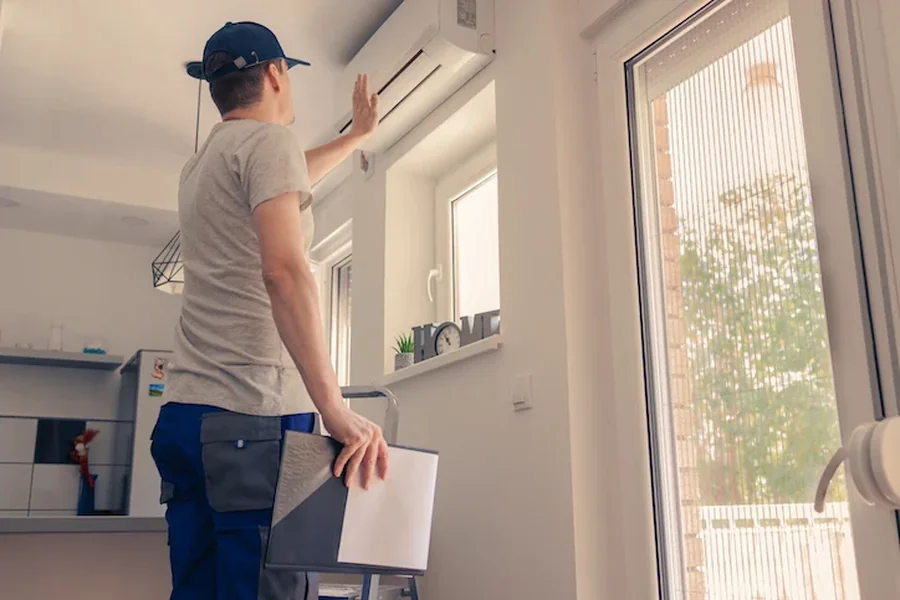
Property management is more than just collecting rent and showing units—it’s about ensuring properties remain safe, attractive, and functional for tenants. Effective maintenance is at the heart of this responsibility. However, traditional reactive approaches to maintenance often lead to higher costs, frustrated tenants, and unnecessary stress for property managers. Embracing smarter maintenance strategies can transform how property management companies operate, improving efficiency, tenant satisfaction, and the overall value of their properties.
The Challenges of Traditional Maintenance
Many property management companies rely on reactive maintenance, responding only when issues arise. While this approach may seem straightforward, it often leads to higher expenses and downtime. Waiting until a problem occurs—like a broken HVAC system or a leaking roof—can result in costly repairs, potential damage to other parts of the property, and even tenant complaints or turnover.
Additionally, managing multiple properties can make it difficult to keep track of maintenance needs. Paper logs, spreadsheets, and scattered phone calls may cause tasks to slip through the cracks, leaving some issues unresolved for weeks. Property managers juggling multiple sites need a more organized and proactive approach to maintenance.
Embracing Preventive Maintenance
Preventive maintenance is a smarter approach that helps property managers stay ahead of problems. By routinely inspecting and servicing equipment, systems, and property features, potential issues can be detected early—before they escalate into major repairs. For example, scheduling regular HVAC tune-ups, plumbing inspections, and roof assessments can extend the life of equipment and reduce emergency repair costs.
Property management companies that adopt preventive maintenance also benefit from increased tenant satisfaction. Well-maintained properties create a safer and more comfortable living environment, encouraging tenants to renew leases and reducing turnover-related costs.
Leveraging Technology for Smarter Maintenance
Modern property management companies are increasingly using technology to streamline maintenance operations. Maintenance management software, including advanced CMMS (Computerized Maintenance Management Systems), allows property managers to schedule tasks, track work orders, and monitor asset performance from a central platform.
For instance, work order management features help teams quickly assign and track maintenance requests, ensuring nothing is overlooked. Real-time alerts and automated reminders keep property managers informed about upcoming tasks and urgent issues. Solutions like eWorkOrders CMMS make it even easier for property management companies to centralize maintenance activities, reduce downtime, and maintain tenant satisfaction. By digitizing maintenance operations, property managers gain better visibility into property performance, reduce human error, and improve response times.
Improving Communication and Tenant Experience
Effective maintenance also requires clear communication with tenants. Digital platforms make it easy for tenants to submit maintenance requests online, upload photos of issues, and track the progress of repairs. This transparency not only reduces frustration but also fosters trust between tenants and property managers.
Smarter maintenance strategies also allow property management teams to prioritize tasks based on urgency and impact. Emergency repairs, such as water leaks or electrical failures, can be addressed immediately, while non-urgent tasks can be scheduled to minimize disruption to tenants.
Data-Driven Decision Making
One of the most significant advantages of smarter maintenance is the ability to make data-driven decisions. By tracking repair history, costs, and asset performance, property managers can identify patterns and plan for long-term improvements. For example, if certain appliances or systems frequently fail, managers can budget for replacement or consider upgrading to more reliable options.
Data-driven insights also support preventive maintenance programs. By analyzing trends, property managers can predict when equipment is likely to fail and schedule maintenance proactively. This reduces emergency repairs, minimizes downtime, and ultimately saves money.
Partnering with the Right Maintenance Providers
While technology and preventive strategies are essential, property management companies also benefit from working with trusted maintenance partners. Reliable contractors, vendors, and service providers ensure that tasks are completed efficiently and to high standards. Combining internal maintenance teams with skilled external partners allows property managers to address a wide range of issues quickly, from routine inspections to specialized repairs.
Conclusion
Smarter maintenance transforms property management from a reactive, stressful process into a proactive, efficient, and data-driven operation. By embracing preventive maintenance, leveraging technology, improving tenant communication, and partnering with reliable service providers, property management companies can reduce costs, extend the life of assets, and enhance tenant satisfaction.
In today’s competitive rental market, well-maintained properties stand out, attracting and retaining tenants while protecting the long-term value of investments. For property management companies looking to stay ahead, smarter maintenance isn’t just an option—it’s essential.
