

Why Parasite Prevention is a Central Focus in Veterinary Clinics
You might not think much about parasites until your pet starts scratching all night, has stomach trouble, or seems a little less like themselves. Then it shifts fast. What felt like a small nuisance can suddenly affect your pet’s comfort, your routine, and even your sense of safety at home. That is one reason Why Parasite Prevention Is A Central Focus In Veterinary Clinics, including veterinary in Chicago, IL, and comes up so often during checkups. In simple terms, parasite prevention helps protect your pet from illness, lowers the chance of problems spreading in your home, and often costs less than treating an infection after it starts.
That concern is not overblown. Parasites can affect the skin, intestines, heart, lungs, and overall health of dogs and cats. Some can also spread to people. According to the CDC, parasites are one of the many causes of disease in animals and people, which is why clinics put so much weight on prevention instead of waiting for symptoms to appear.
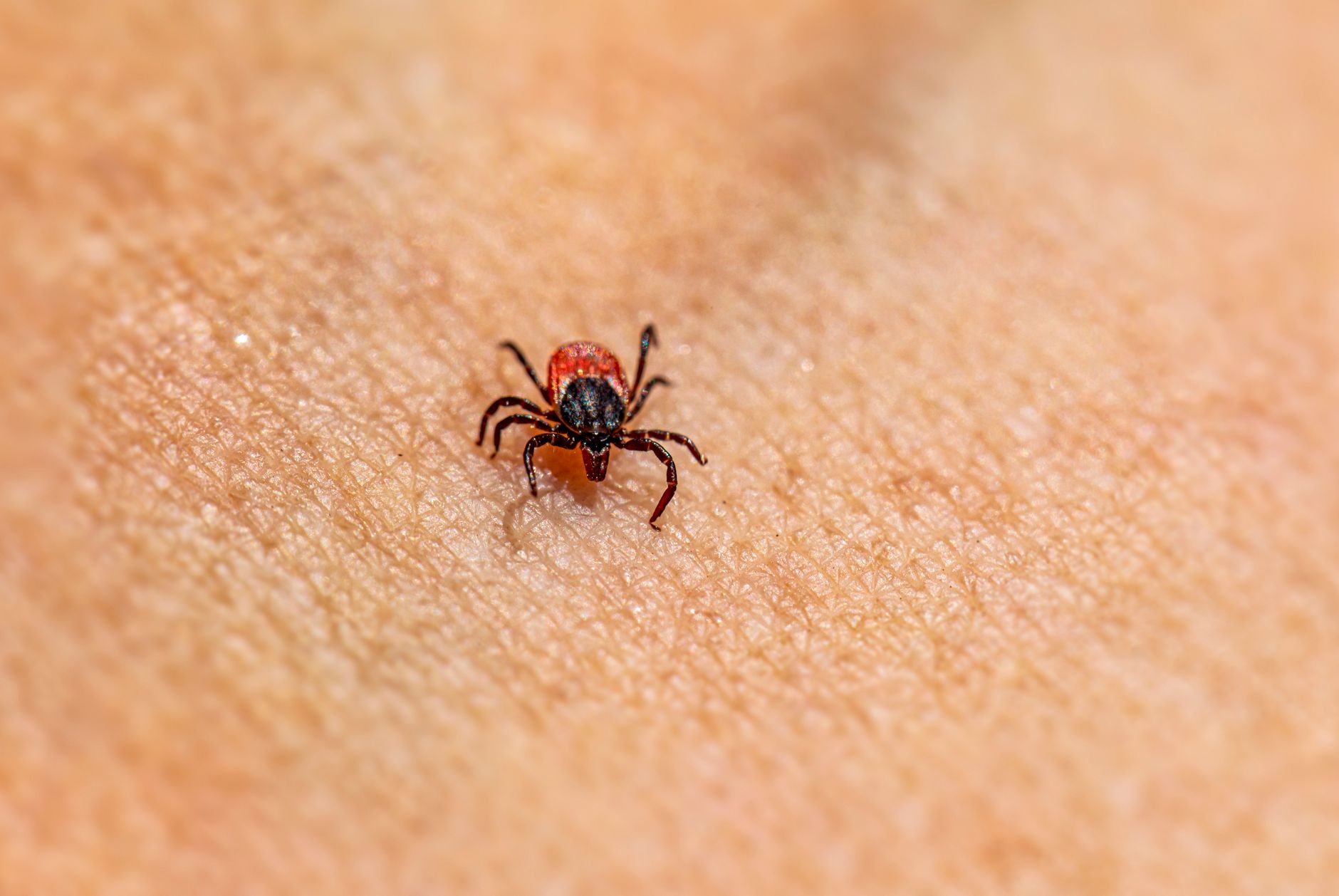
When you bring your pet to a veterinary clinic, the goal is not just to respond to what is wrong today. It is to reduce the chance of what could go wrong next month or next season. Fleas, ticks, roundworms, hookworms, heartworms, and mites do not always announce themselves early. A pet can look fairly normal while a problem builds quietly.
Because of that, parasite control in pets becomes part of routine care, not just emergency care. A puppy with intestinal worms may lose weight or have diarrhea. A cat with fleas may develop skin irritation or anemia. A dog exposed to mosquitoes could develop heartworm disease, which is much harder and more expensive to manage than prevent. So, where does that leave you? Usually with a choice between steady prevention now or more stress later.
There is also the household side of this. Some parasites are zoonotic, which means they can pass from animals to people. Children, older adults, and people with weaker immune systems can face more risk. The CDC offers veterinary resources on healthy pets and parasite awareness that reinforce how closely animal health and human health are connected.
What makes parasite prevention more important than waiting for symptoms?
The hard part is that many parasite problems do not start with a dramatic warning sign. You may notice mild itching, a dull coat, soft stool, or a dip in energy and think it is temporary. Sometimes it is. Sometimes it is the early stage of something that spreads fast inside your pet or into your home.
Think about a common example. A dog picks up fleas during a walk or in the yard. At first, there are only a few. Within weeks, you may be dealing with flea dirt in the coat, bites on your ankles, irritated skin, and eggs in carpets or bedding. Treatment then becomes about the pet, the house, and the yard. The same pattern shows up with intestinal parasites. One exposure at a park, in contaminated soil, or from infected stool can turn into digestive trouble and a need for testing, medication, cleanup, and follow-up visits.
That is why many clinics emphasize preventive pet care for parasites during wellness visits. It is not fear-based advice. It is practical medicine. The CDC has also published material on zoonoses and animal-associated risks, including parasite concerns, in this public health reference guide.
How does prevention compare with treating a parasite problem after it starts?
If you are weighing cost, effort, and risk, a side-by-side view can help.
|
Approach |
What it usually involves |
Likely challenges |
Why clinics prefer it or caution against it |
|
Routine prevention |
Year-round or seasonal preventives, fecal testing, heartworm testing, regular exams |
Remembering doses, choosing the right product for your pet’s age and health |
Helps stop problems before they cause illness, often simpler and less costly over time |
|
Waiting for symptoms |
Monitoring scratching, stool changes, weight loss, coughing, or fatigue |
Early signs are easy to miss; some conditions are already advanced by the time symptoms show |
Can lead to more visits, more testing, more discomfort for your pet, and greater household exposure |
|
Home treatment without veterinary guidance |
Over-the-counter products or internet advice |
Wrong dosing, missed parasite type, unsafe combinations, delayed diagnosis |
May not solve the real problem and can create added risk |
That comparison explains why the root service, veterinary clinic care, often centers on prevention. It is less about selling a product and more about reducing avoidable harm.
What can you do right now to protect your pet and your home?
Schedule routine screening. Even if your pet seems fine, regular exams, fecal checks, and heartworm testing can catch problems early. This matters most for puppies, kittens, outdoor pets, and pets that visit parks, kennels, or grooming facilities.
Use prevention consistently. Parasite medication only works when it is given as directed. Missing doses can create gaps in protection. If cost or scheduling is a concern, ask your clinic which option fits your pet’s risk level and your routine.
Reduce exposure at home. Clean up stool promptly, wash bedding, vacuum often, and keep up with yard care. Good hygiene does not replace medication, but it does lower the chance of reinfestation and helps protect people in the household too.
Why does this matter so much in everyday veterinary care?
Because pets cannot explain what feels off, and because parasites can move quietly until the problem is harder to manage. Clinics focus on prevention so your pet can stay comfortable, your home can stay safer, and small issues do not become larger ones. If parasite prevention has felt like just another item on a long pet care list, it may help to see it for what it really is: a steady way to guard your pet’s health before trouble takes hold.
If your pet is due for a checkup or you have noticed signs that seem small but persistent, now is a good time to schedule a visit with a veterinary clinic and ask which parasite prevention plan makes sense for your pet.
