

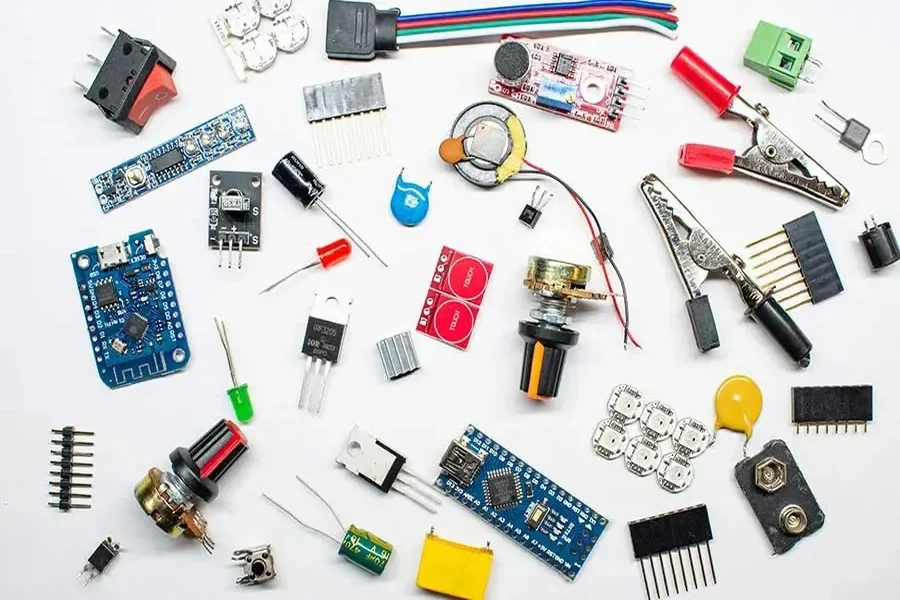
Maintaining and repairing everyday household electronics not only prolongs their usefulness but also significantly reduces the environmental impact of electronic waste. Whether your TV stops working or your computer keyboard loses its touch, knowing which parts are most commonly replaced empowers you to address issues efficiently. Reliable sources, such as Samsung parts, provide easy access to many of these essentials, enabling consumers to make well-informed decisions about their electronic maintenance.
By understanding the vital roles components like capacitors, resistors, and switches play in everyday devices, you can approach troubleshooting and repair with confidence. Access to high-quality replacement parts ensures that your devices continue to run smoothly, while also reducing unnecessary contributions to landfill waste. These small efforts collectively promote sustainability and extend the functional life of your household or personal tech.
Repairing rather than replacing electronics whenever feasible also provides a cost-effective alternative, making technology more accessible and affordable over the long term. Navigating which parts are most susceptible to wear, understanding how they fail, and knowing where to find replacements are key to successful DIY maintenance.
Furthermore, understanding the challenges associated with obtaining parts and legislative movements, such as the right to repair, can help you advocate for broader change and easier access to repairs for all consumers. Each repair made at home is a step toward a more sustainable, inclusive future for electronics use.
Capacitors
Capacitors are among the most commonly replaced parts in electronics. These small devices store and release electrical energy, making them essential for maintaining a stable power supply and for audio circuits. Over time, they degrade—especially in devices exposed to heat—manifesting as bulging tops, leakage, or outright failure. Replacing aged capacitors can breathe new life into televisions, stereos, and other household appliances. Recognizing bad capacitors and matching the replacement part’s voltage and capacitance ratings are essential for safe repairs.
Resistors
Resistors control the amount of electrical current flowing through a circuit, shielding sensitive parts from power surges and allowing for precise voltage control. They are found in everything from LED lights to kitchen appliances. Faulty resistors are often to blame for dead circuits or malfunctioning displays. Keeping a kit of common resistor values allows you to replace these parts swiftly, enabling you to restore functionality to many broken devices. Understanding color coding and resistance values is crucial for any repair scenario involving resistors.
Diodes
Diodes are vital in managing current direction, often used to prevent reverse current that could damage sensitive electronics or to convert AC to DC electricity. In power adapters, smartphone chargers, and computer power supplies, damaged diodes can be the root cause of charging issues or total power failures. Choices range from general-purpose diodes to specialty types, each tailored for different voltage and current requirements. Identifying the correct diode type is crucial for a successful replacement.
Transistors
Transistors function as electrical switches or amplifiers, forming the bedrock of digital logic in computers, amplifiers, and countless household items. Symptoms of a failing transistor include erratic device behavior, loss of signal amplification, or a total device shutdown. Replacing transistors requires identifying the type—NPN, PNP, MOSFET, or otherwise—and ensuring the replacement matches the necessary electrical characteristics. Learning basic soldering skills is invaluable for replacing these components safely and efficiently.
Switches and Connectors
Physical user interfaces—such as power switches, toggle switches, buttons, and connectors—take a beating from daily use, resulting in wear and tear or broken contacts. Failed switches are among the most straightforward repairs to perform and can extend the life of everything from remote controls to laptops. Connectors, whether they’re USB ports, HDMI jacks, or battery terminals, also often require replacement due to loosening, corrosion, or physical breakage. Modern electronic devices rely on secure connections for optimal performance, making good-quality replacement connectors and switches essential to effective repair.
Printed Circuit Boards (PCBs)
PCBs form the foundational infrastructure of electronic devices, providing both physical mounting and electrical pathways for all components. A damaged PCB, resulting from physical stress, moisture, or manufacturing defects, can cause a device to malfunction or fail to function correctly. While whole-PCB replacement can sometimes be challenging, advances in modularity have made it more feasible, especially in products designed with repairability in mind. In some cases, damaged traces can be patched or individual modules replaced, restoring complete function without discarding the entire device.
Challenges in Obtaining Replacement Parts
Despite the benefits of DIY electronics repair, obtaining high-quality replacement parts remains a challenge. Limited access, proprietary part numbers, and the prevalence of counterfeit components complicate the sourcing process. Large manufacturers may restrict the sale of proprietary components or tie them to expensive service fees. The key is to use reputable suppliers, verify the authenticity of parts, and ensure compatibility before making a purchase. Staying vigilant helps curb the risk of inferior or counterfeit items that can lead to unsafe or ineffective repairs.
The Right to Repair Movement
The global right-to-repair movement is dedicated to making repair information, parts, and tools readily accessible to everyone. Advocates urge manufacturers and policymakers to eliminate obstacles that hinder consumers from fixing their own devices, thus promoting environmental responsibility and reducing electronic waste. Legislation has been introduced in many regions, aiming to enshrine consumers’ right to choose repair over replacement. This movement plays a critical role in shaping the future of personal electronics, enabling more people to perform basic repairs and prolong product life—without the frustrations of restrictive manufacturer policies.
Learning about and sourcing the essential replacement parts for your electronics not only boosts confidence and saves money but also contributes to the worldwide push toward sustainability and repair-friendly design. By embracing repair, you join a growing community dedicated to making technology more accessible, affordable, and environmentally friendly.
