

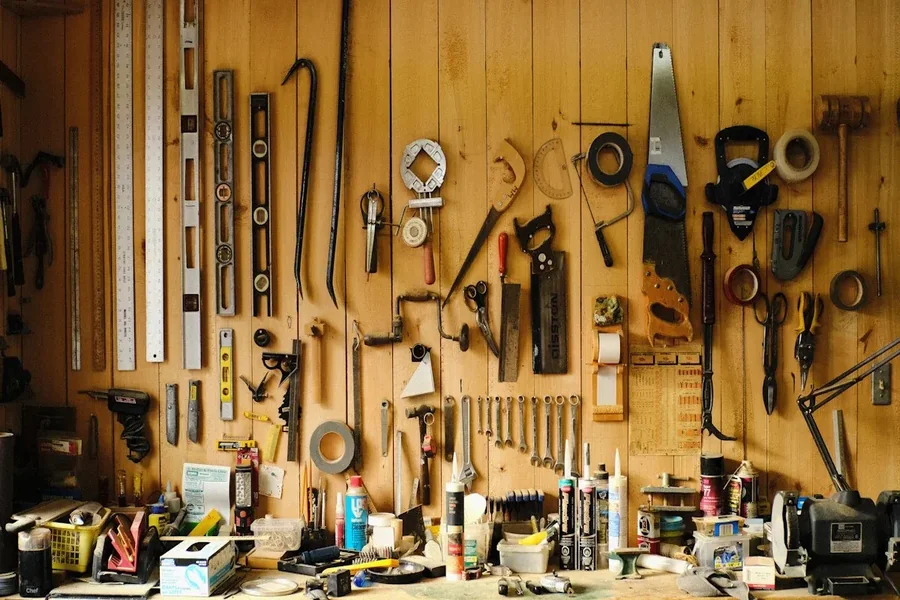
For professionals and hobbyists alike, tools are more than just instruments—they are investments. Sensitive tools, whether precision hand tools, power tools, or electronic instruments, require careful handling to ensure longevity, maintain accuracy, and protect performance. Improper care can lead to damage, rust, misalignment, or complete failure, which can be costly and frustrating. In this article, we will explore practical strategies for protecting sensitive tools and ensuring they remain in optimal condition for years to come.
1. Choose the Right Storage Solutions
One of the most important steps in protecting sensitive tools is choosing the right storage solution. While ordinary toolboxes may work for rugged, everyday tools, sensitive tools require specialized storage. A lightweight aluminium toolbox is an excellent option because it combines durability, corrosion resistance, and portability, making it easy to transport without compromising protection.
For precision instruments like calipers, micrometers, or torque wrenches, consider padded compartments or foam inserts within the toolbox. These prevent tools from moving around, which can lead to scratches, dents, or misalignments. Transparent trays or labeled compartments also help keep tools organized, reducing the time spent searching and minimizing unnecessary handling that could cause damage.
2. Keep Tools Clean
Sensitive tools are particularly vulnerable to dust, dirt, and debris, which can accumulate and impair their functionality. Regular cleaning after use is essential. For metal tools, wipe them down with a clean, dry cloth to remove dust and moisture. For tools exposed to grease, oil, or chemicals, use a mild cleaning solution and ensure the tool is fully dry before storing.
Preventing corrosion is critical. A thin layer of protective oil or rust inhibitor can be applied to metal surfaces, especially on tools made of steel or other reactive metals. Even aluminium tools benefit from regular cleaning to maintain their finish and prevent dirt build-up in hinges or latches.
3. Control the Environment
Environmental factors like humidity, temperature fluctuations, and exposure to chemicals can significantly impact sensitive tools. High humidity can lead to rust, while extreme temperatures may warp or damage delicate components. To mitigate these risks:
- Store tools in a cool, dry place away from direct sunlight.
- Consider using silica gel packets or moisture-absorbing materials in toolboxes to maintain low humidity levels.
- Avoid storing tools near chemicals or solvents that could corrode metals or damage plastics and rubber components.
By controlling the environment, you not only prevent corrosion and degradation but also extend the lifespan of electronic or precision instruments that are sensitive to moisture and temperature changes.
4. Handle Tools Properly
Even the best storage and cleaning routines cannot compensate for rough or improper handling. Sensitive tools should always be handled with care:
- Avoid dropping or throwing tools, as impacts can misalign precision instruments or damage delicate surfaces.
- Use tools only for their intended purpose to prevent unnecessary strain or breakage.
- When transporting tools, ensure they are securely fastened in a case or toolbox to prevent movement.
A lightweight aluminium toolbox with secure latches and reinforced corners is ideal for protecting tools during transport, whether moving them between job sites or carrying them for home projects.
5. Regular Maintenance and Calibration
Sensitive tools, especially precision measuring instruments and power tools, require regular maintenance and calibration. Over time, components can wear down, affecting accuracy and efficiency. Establish a routine:
- Inspect tools for wear, cracks, or damage before and after use.
- Lubricate moving parts as recommended by the manufacturer.
- Calibrate precision tools periodically to ensure they remain accurate.
For electronic tools, check batteries and electrical connections regularly. Faulty components can lead to inaccurate measurements or even damage the tool itself. Keeping a maintenance log can help track when each tool was last serviced, reducing the risk of oversight.
6. Security Measures
Sensitive tools often represent significant financial value, making them targets for theft. Protecting tools also involves physical security measures:
- Use lockable toolboxes to prevent unauthorized access. Aluminium boxes with padlock compatibility are particularly secure.
- Store valuable tools in secure cabinets or rooms when not in use.
- Consider insurance for high-value tools, especially if they are portable or frequently transported.
A lightweight aluminium toolbox not only protects against physical damage but can also be securely locked, providing peace of mind during travel or storage.
7. Labeling and Organization
An organized toolbox reduces unnecessary handling and prevents tools from being misplaced or damaged. Label compartments clearly so each tool has its designated spot. This not only speeds up workflow but also minimizes the risk of using the wrong tool for a task, which can cause damage to both the tool and the workpiece.
Magnetic strips, foam inserts, and modular trays can further enhance organization. These systems prevent tools from bumping into each other and provide a visual inventory, making it easier to spot missing or damaged items.
8. Educate Users
If multiple people use the same set of tools, ensure everyone understands proper handling, storage, and maintenance procedures. Many tool damages occur due to misuse rather than inherent flaws. Providing clear instructions or guidelines helps maintain consistency and protects your investment over time.
Conclusion
Protecting sensitive tools is a combination of careful storage, proper handling, regular maintenance, and environmental awareness. Lightweight aluminium toolboxes with padded compartments and secure locks provide an excellent foundation, offering durability, portability, and protection against impacts and corrosion. Coupled with routine cleaning, controlled storage conditions, proper handling, and organized systems, these strategies ensure that your tools remain precise, efficient, and long-lasting.
Investing time and effort in protecting your sensitive tools not only saves money but also improves safety, efficiency, and the quality of your work. By adopting these best practices, you can enjoy the reliability of your tools for years to come.
