

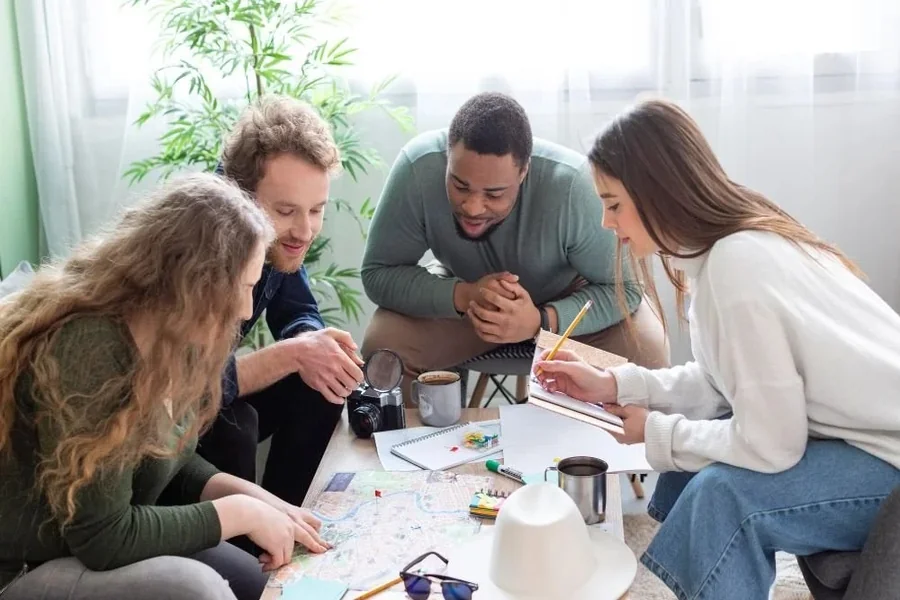
Team building is more than just a break from the usual work routine—it is a strategic investment in people. When planned well, team-building activities strengthen relationships, improve communication, boost morale, and help teams work more effectively toward shared goals. Organizing a successful team-building event requires thoughtful planning, a clear purpose, and an understanding of the people involved. From defining objectives to evaluating outcomes, each step plays an important role in creating a meaningful experience.
Defining the Purpose and Goals
The first step in organizing a team-building activity is identifying its purpose. Team building should never be organized “just because.” Clear goals help shape the structure and activities of the event. Some common objectives include improving communication, encouraging collaboration, welcoming new team members, resolving conflicts, boosting motivation, or simply helping people connect on a personal level.
Understanding what the team needs most allows organizers to select activities that align with those needs. For example, a team struggling with trust may benefit from problem-solving challenges that require cooperation, while a team experiencing burnout may need relaxed, fun activities that focus on stress relief and enjoyment.
Knowing the Team
A successful team-building event takes into account the personalities, preferences, and limitations of the participants. Teams are diverse, and activities should be inclusive and accessible to everyone. Factors such as age range, physical ability, cultural background, and comfort levels should be considered when planning.
It is also helpful to think about team dynamics. Are team members familiar with one another, or is the team newly formed? Are there introverted individuals who may feel uncomfortable with highly competitive or public activities? Choosing activities that allow different personalities to participate comfortably ensures higher engagement and a more positive experience overall.
Choosing the Right Activities
The heart of any team-building event lies in its activities. These should be aligned with the event’s goals and suitable for the team. Team-building activities generally fall into several categories, such as problem-solving challenges, creative tasks, physical activities, and social or reflective exercises.
Problem-solving activities, such as escape-room challenges or group puzzles, encourage collaboration and critical thinking. Creative activities, like group art projects or storytelling exercises, help teams express ideas and see one another’s perspectives. Physical activities, including sports or outdoor challenges, can build energy and teamwork, but should always be optional to ensure inclusivity. Social activities, such as shared meals or casual games, allow team members to bond naturally in a relaxed environment.
Variety is key. A mix of activities helps maintain interest and ensures that everyone can participate in at least one activity they enjoy.
Planning the Logistics
Strong organization behind the scenes is essential for a smooth team-building experience. This includes choosing a suitable date and time, setting a realistic budget, selecting a venue, and arranging necessary materials or facilitators. For teams hosting outdoor events, arranging a premium cart hire service can make transporting equipment, refreshments, or participants much easier, enhancing comfort and efficiency.
Timing matters. Team-building events should not disrupt critical work periods or feel like an added burden. Clear communication about schedules helps participants prepare mentally and practically. The venue should be comfortable, accessible, and appropriate for the planned activities, whether it is an office space, outdoor location, or off-site facility.
If external facilitators or trainers are involved, they should be briefed on the team’s goals and culture. Well-prepared facilitators can guide activities effectively and ensure that lessons are clearly communicated.
Encouraging Participation and Engagement
For team building to succeed, participants must feel motivated to engage. Communicating the purpose of the event in advance helps set expectations and reduces resistance. When people understand how the activity benefits them and the team, they are more likely to participate positively.
Leaders play a crucial role in this stage. When managers and team leaders actively participate, it sends a strong message that the event matters. Encouraging a judgment-free environment where people feel safe to contribute, make mistakes, and have fun is essential for genuine engagement.
Creating Space for Reflection
Team-building activities are most effective when paired with reflection. Taking time to discuss what participants learned, how they felt, and how the experience connects to everyday work helps reinforce the value of the event.
Reflection can be informal, such as group discussions, or more structured, such as guided feedback sessions. Questions like “What worked well as a team?” or “How can we apply this experience to our daily tasks?” help translate activities into real workplace improvements.
Evaluating the Outcomes
The final step in organizing team building is evaluation. Gathering feedback allows organizers to understand what worked, what did not, and how future events can be improved. Feedback can be collected through surveys, group discussions, or one-on-one conversations.
Evaluation should focus on both immediate reactions and longer-term impact. Improved communication, stronger relationships, and increased collaboration over time are signs of successful team building. Using feedback to refine future efforts ensures continuous improvement and greater return on investment.
Conclusion
Organizing a team-building event is a thoughtful process that goes far beyond planning games or activities. It requires clear goals, an understanding of the team, careful logistical planning, and meaningful reflection. When done well, team building strengthens connections, builds trust, and creates a more positive and productive work environment. By focusing on purpose and people, organizations can turn team-building activities into powerful tools for long-term success.
