

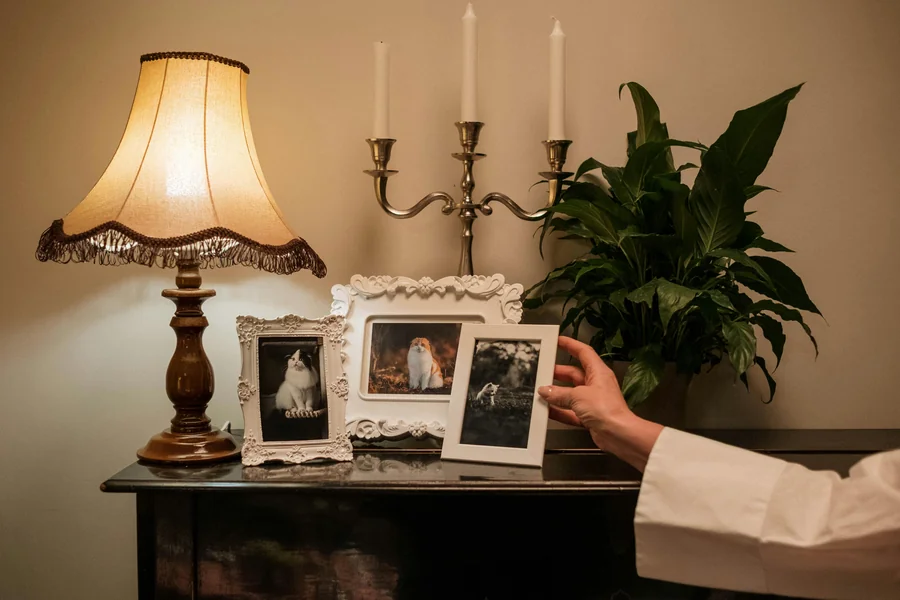
Saying goodbye to a beloved pet is a moment most families never forget. It is filled with love, sadness, and the quiet realization that a chapter is ending. How and where that goodbye happens can shape the way grief is felt and remembered. For many, the setting matters just as much as the moment itself.
In-home services have changed the way families experience this final farewell. They offer an alternative to busy clinics and unfamiliar rooms. By staying at home, families can focus less on the surroundings and more on each other. That sense of choice can bring comfort during an otherwise painful time.
Choosing Privacy Over Public Spaces
Grief is personal, and for many families, it feels too tender to share in a waiting room. When a beloved pet reaches the end of life, the last thing anyone wants is fluorescent lighting and unfamiliar noise. Choosing to stay home allows families to protect that fragile moment. It creates space for tears, silence, and reflection without feeling rushed.
That is why many people look into in-home pet euthanasia services when the time comes. Instead of loading a sick or aging pet into the car, families can gather in their living room or backyard. The setting feels familiar, which can bring unexpected comfort. It also keeps the experience centered on love rather than logistics.
Staying Surrounded by Familiar Comforts
Home carries memories in every corner. The couch where your dog napped, the rug your cat claimed as her throne, the backyard that hosted years of play—these details matter. Being in a familiar space can calm both pets and people. It softens the fear that sometimes comes with a clinical environment.
For grieving families, that familiarity can ease emotional strain. Children can sit close without feeling like they need to behave a certain way for strangers. Adults can express grief openly, without worrying about who might overhear. Even small comforts, like a favorite blanket or soft music, make the moment more meaningful.
Allowing Time to Move at Your Own Pace
One of the hardest parts of saying goodbye in a clinic is the sense of time pressure. Appointments are scheduled back to back, and even compassionate staff must keep the day moving. At home, the pace feels different. There is room to breathe.
Families can spend a few extra minutes holding a paw or whispering a final thank you. There is no awkward walk through a lobby afterward. Instead, loved ones can sit together and begin processing what just happened. Grief does not follow a schedule, and home-based care respects that truth.
Honoring Emotions Without an Audience
Grief shows up in unexpected ways. Some people cry openly, while others grow quiet or even numb. In a public space, those reactions can feel exposed. At home, there is freedom to respond honestly.
Teenagers might step outside for air, while younger children ask questions that need gentle answers. Parents can comfort both their kids and each other without self-consciousness. Privacy gives families the chance to handle raw emotions in their own way, without feeling observed.
Creating a Gentle Transition After Goodbye
The moments immediately following a pet’s passing are often the most delicate. In a clinic, families may feel the sudden shift from goodbye to paperwork. At home, the transition can feel more gradual. That gentleness makes a difference.
Some families light a candle or say a short prayer. Others sit quietly and remember funny stories from years past. There is no right ritual, only what feels authentic. Being at home allows those first steps of mourning to unfold naturally.
Conclusion
Saying goodbye to a pet is one of the hardest decisions a family can make. Choosing to do it at home does not erase the pain, but it can soften the edges. Privacy, familiarity, and unhurried time offer a sense of control during a moment that often feels overwhelming.
In the end, what most families want is simple: dignity for their pet and space for their grief. In-home services provide both. They allow goodbyes to happen in the place where love was lived every day, which can make all the difference when it is time to let go.
