

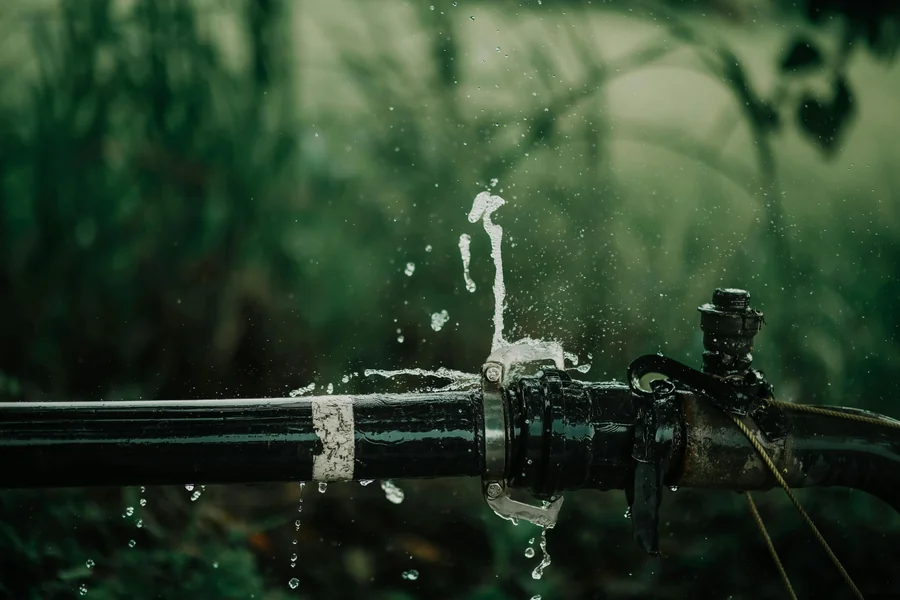
Most people think of a water leak as a household annoyance. It’s the slow drip under the sink or the faint sound of running water behind a wall. But beyond higher utility bills and minor inconvenience, undetected leaks carry a much larger environmental cost. What seems small inside one home can add up in ways that affect entire communities.
Across the United States, water is treated, pumped, and delivered using significant energy and infrastructure. When clean water is wasted, all the energy used to process and transport it is wasted too. That means more strain on power systems and more pressure on local water supplies. A hidden leak is not just a plumbing issue; it is an environmental one.
Wasting Treated Water That Took Energy to Produce
It’s easy to forget that tap water doesn’t simply appear. It goes through treatment plants where it is cleaned and made safe for drinking, a process that uses electricity and equipment. That electricity often comes from power plants that burn fuel, which releases emissions into the air. So when water runs unused down a drain or into the soil, the environmental cost stretches far beyond the home.
Even a small leak can waste thousands of gallons each year. According to various conservation estimates, a dripping faucet can waste hundreds of gallons monthly, and a hidden pipe leak can waste far more. Multiply that by millions of homes and the numbers become staggering. Fixing leaks early reduces both water waste and the energy footprint tied to it.
Increasing Moisture That Leads to Mold Growth
Undetected leaks also create damp environments behind walls and under floors. That moisture becomes the perfect breeding ground for mold, which is a type of fungus that thrives in wet, dark spaces. Mold does not just damage drywall and wood; it can affect indoor air quality. When mold spores spread through the air, they can trigger allergies and breathing problems.
Repairing mold damage often requires removing materials and replacing them. That means more construction waste sent to landfills and more new materials produced and transported. All of that has an environmental cost, from manufacturing to disposal. Stopping leaks early helps prevent this cycle of damage and waste.
Weakening Soil and Foundations Over Time
Water that seeps unnoticed into the ground around a home can slowly change the soil. Soil that becomes too wet may shift, and over time, that movement can affect a home’s foundation. In some areas, especially where clay soil is common, expansion and contraction can cause cracks. Those repairs can require heavy equipment, concrete, and additional resources.
Beyond structural issues, excess water runoff can carry contaminants into nearby storm drains. These drains often lead directly to local streams and rivers without treatment. That means soaps, cleaning agents, and other household residues can enter natural waterways. What starts as a small plumbing issue can ripple outward into the broader ecosystem.
Raising Energy Use Inside the Home
Leaks can also increase energy use in ways homeowners may not notice right away. If a hot water pipe is leaking, the water heater must work harder to keep up. Water heaters rely on electricity or gas, both of which have environmental impacts. The extra demand increases emissions and utility costs at the same time.
This is why many homeowners choose to learn more about professional detection methods. For those interested in local resources, you can click here to continue reading more to understand how leaks are identified before major damage occurs. Addressing leaks promptly is not just about protecting property; it is about reducing unnecessary energy use. Small fixes today can prevent larger environmental consequences tomorrow.
Conclusion
Undetected leaks may seem minor, but their impact stretches far beyond a damp cabinet or higher bill. They waste treated water, increase energy demand, contribute to mold growth, and even affect soil and nearby waterways. When multiplied across neighborhoods and cities, the environmental toll becomes significant.
Being attentive to unusual sounds, unexplained moisture, or sudden spikes in water usage is a simple but meaningful step. Repairing leaks early protects both your home and the resources your community depends on. In the end, conservation does not always require grand gestures. Sometimes it starts with fixing a quiet drip before it turns into something much larger.
