

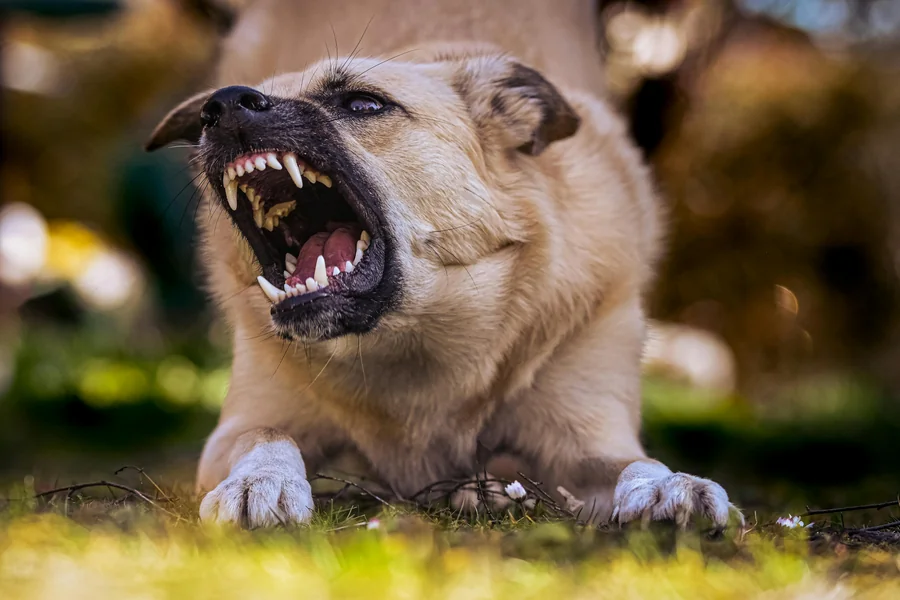
Dogs are often described as loyal companions and trusted family members. Many people grow up believing that a friendly dog would never harm anyone. Unfortunately, even well-loved pets can react unpredictably under certain circumstances. When a bite happens, the emotional and legal consequences can quickly become complicated.
A dog bite is more than just a frightening moment. It can lead to painful injuries, medical bills, and questions about responsibility. Both the victim and the dog owner may suddenly find themselves dealing with legal concerns. Understanding how liability works can help people navigate a stressful situation with clearer expectations.
Understanding Why Dog Bites Occur
Dogs usually bite for a reason, even if it is not obvious at first. Fear, pain, or feeling threatened can trigger defensive behavior. A dog might also react if it is protecting food, territory, or its owner. These instincts are natural for animals, but they can lead to serious consequences.
Children are especially vulnerable because they may not recognize warning signs. Pulling a dog’s tail, approaching during feeding time, or leaning too close to the animal’s face can create tension. Even a normally calm dog might react suddenly in these situations. That quick reaction can turn a playful moment into a dangerous one.
Recognizing the Impact of a Bite Injury
Dog bites can cause more damage than people expect. Teeth can puncture the skin deeply, which increases the risk of infection. In some cases, victims require stitches or additional medical treatment. The physical wounds may heal, but emotional distress can linger much longer.
Some victims develop anxiety around animals after a bite. Children may become especially fearful, even around dogs they once loved. Medical care, therapy, and missed work can also create financial stress. What started as a brief incident may continue affecting daily life for months.
Examining How Liability Is Determined
In the United States, laws about dog bites vary from state to state. Some states follow what is known as “strict liability.” This means the dog owner may be responsible for the injury even if the dog has never bitten anyone before. The idea is that owners must control their pets and prevent harm.
Other states use what is sometimes called the “one-bite rule.” Under this concept, an owner may not be fully responsible unless they knew the dog had aggressive tendencies. Evidence such as previous bites or complaints about behavior can become important. These legal details often determine how a case moves forward.
Seeking Guidance After a Dog Bite
After a bite occurs, the first priority is always medical care. Even small wounds should be checked because bacteria from an animal’s mouth can cause infection. Once health concerns are addressed, victims often begin asking questions about their rights. This is where legal guidance can become valuable.
Many people consult a personal injury attorney to understand their options. These professionals review the circumstances of the incident and explain possible next steps. They may also help gather evidence, such as medical records or witness statements. Their role is to help clarify a process that often feels overwhelming.
Preventing Future Dog Bite Incidents
While legal issues matter after a bite, prevention remains the best protection. Responsible pet ownership plays a major role in reducing risk. Training, proper supervision, and secure fencing can help keep both people and animals safe. Owners who understand their dog’s behavior are better prepared to avoid dangerous situations.
Public awareness also helps reduce bite incidents. Teaching children how to approach dogs calmly and respectfully can make a difference. Simple habits, like asking permission before petting an unfamiliar dog, encourage safer interactions. These small steps can prevent many injuries before they happen.
Conclusion
Dog bites are frightening events that can affect everyone involved. Victims may face medical challenges and emotional stress, while owners may suddenly confront legal responsibility. Understanding how liability works helps bring clarity to a confusing situation.
Although dogs are beloved companions, they are still animals with instincts that can lead to unexpected reactions. Knowing how to respond after a bite and how to prevent future incidents is essential. With awareness, responsible ownership, and proper guidance, many of these situations can be handled with greater care and understanding.
