

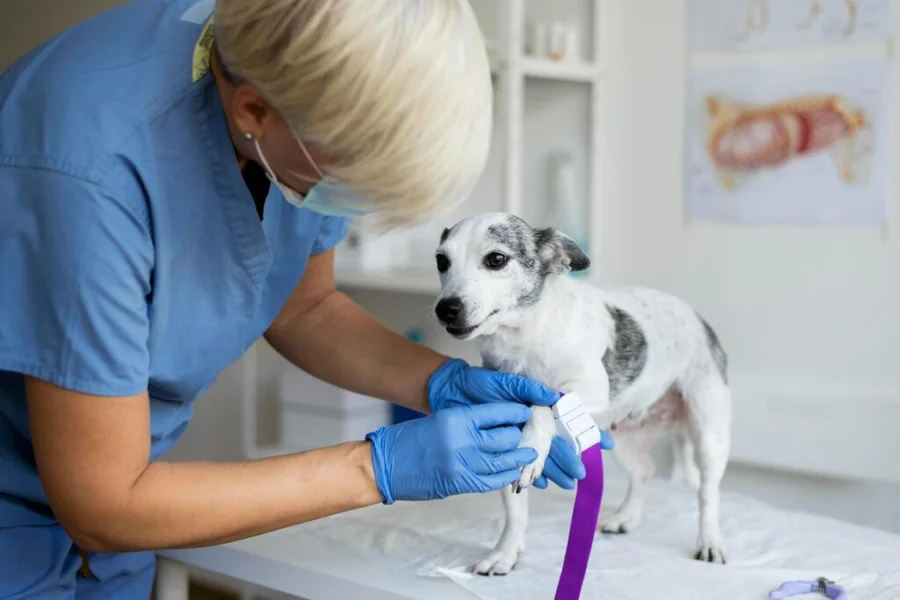
Surgery changes your pet’s life in one day. The real test comes after. Pain, fear, and confusion can weigh on your pet. They can also weigh on you. This guide explains how veterinary clinics manage pain and post-surgical care so you know what to expect and what to ask for. You learn how teams watch for pain, choose safe medicine, and adjust treatment as your pet heals. You also see how rest, food, and simple comfort matter. Every step aims to prevent quiet suffering. Clinics plan ahead. They do not wait for your pet to cry or limp. They use checklists, clear instructions, and follow-up calls. If you work with a trusted veterinarian in Southwest Winnipeg or anywhere else, you deserve clear answers. You also deserve a plan that protects your pet from needless pain.
How clinics plan for pain control before surgery
Pain control starts before your pet walks into the surgery room. Your vet team looks at three things.
- Your pet’s age and weight
- Any long-term disease like kidney or liver trouble
- The type and length of surgery
Next, they build a pain plan. They often use more than one medicine, so they can use lower doses of each one. This lowers side effects. It also keeps pain under better control.
You can ask three clear questions.
- What pain medicines will my pet get before surgery
- How long will those medicines last
- What is the backup plan if my pet still seems sore
You can read more about common pain medicines in pets from the U.S. Food and Drug Administration pet pain guide.
What happens during surgery to reduce pain
During surgery, the team keeps your pet asleep and as steady as possible. They use three main tools for pain.
- General anesthesia that keeps your pet unconscious
- Pain shots that last for hours
- Local blocks that numb one part of the body
A nurse or tech watches heart rate, breathing, and blood pressure. A sharp rise in these numbers can mean your pet feels pain. The vet then gives more pain medicine. This close watch helps stop pain before it grows.
How clinics watch for pain after surgery
After surgery, your pet wakes up in a quiet space. Staff stand close by. They use pain scores that rate pain based on three signs.
- Body signs like tense muscles or hunched posture
- Sounds like crying or growling
- Actions like hiding or refusing to move
These scores guide the team. If the score climbs, they give more pain relief. They do not wait for loud crying. Many pets stay silent even when pain is severe.
Common pain medicines and what you should know
Your vet may use several kinds of medicine. Each works in a different way.
| Medicine type | Common use | How it helps | Key risk to watch
|
|---|---|---|---|
| NSAIDs for pets | Soft tissue and joint surgery | Cut swelling and pain | Stomach upset or low appetite |
| Opioid type drugs | Strong pain or bone surgery | Blunt pain signals in the brain | Sleepiness or slower breathing |
| Local numbing drugs | Dental work or limb surgery | Numbs nerves in one region | Weakness in the numbed limb |
| Other support drugs | Muscle or nerve pain | Relax tight muscles or calm nerves | Wobbliness or slow reactions |
Never give human pain pills to pets. Many are toxic. The ASPCA Animal Poison Control Center lists common household drugs that can harm pets.
Your role in home care after surgery
Once you go home, the clinic depends on you. You become the eyes and ears of the team. Three duties matter most.
- Give medicine exactly as written on the label
- Protect the surgery site
- Watch for warning signs
Use a written schedule. Mark each dose after you give it. Do not skip pain medicine just because your pet seems calm. Controlled pain helps healing. Stopping medicine early can cause a sharp pain spike.
How to keep the surgery site safe
Protection of the cut is key. Here is a simple comparison of common tools.
| Tool | Main purpose | Best use | Limits
|
|---|---|---|---|
| Plastic cone collar | Stops licking and biting | Most dogs and larger cuts | Can bump furniture and water bowls |
| Soft fabric collar | More comfort around the neck | Calm pets with mild urge to lick | Some pets can still reach the cut |
| Recovery shirt or suit | Covers chest or belly cuts | Spay or lump removal on the trunk | Must stay clean and dry |
Keep the cut clean and dry. Do not bathe your pet until your vet says it is safe. Use a leash for all trips outside. Stop running, jumping, and engaging in rough play until your vet gives clear approval.
Signs your pet may still hurt
Pain in pets often looks quiet. Watch for three types of change.
- Body change
- Stiff walk or limping
- Hunched back or tucked belly
- Heavy panting while resting
- Mood change
- Hiding or avoiding family
- Growling when touched
- Restless pacing or no interest in toys
- Daily habit change
- Refusing food or water
- Accidents in the house
- Whining at night
Call your clinic if you see these signs. Do not increase pain medicine on your own. The team may adjust the dose or add another drug.
When to seek urgent help
Some signs need fast action. Call your vet or an emergency clinic at once if you see any of these.
- Large swelling or bleeding from the cut
- Open gap in the stitches
- Repeated vomiting or watery stool
- Gums that look very pale or blue
- Collapse or trouble breathing
Trust your instinct. If your pet looks worse than you expected, reach out. Quick care can prevent deeper harm.
How follow up visits support healing
Follow-up visits are not a formality. They serve three clear goals.
- Check that the cut is closing as planned
- Review pain control and adjust medicine
- Clear your questions about activity and long-term limits
Bring your medicine list and your notes about your pet’s behavior. Honest details help your vet fine-tune the plan.
Standing up for your pet’s comfort
Pain after surgery is not an unavoidable price. Modern vet care can control most pain if you and the clinic work as a team. Ask direct questions. Share what you see at home. Protect the cut and follow the plan. With clear steps and quick action, your pet can heal with less fear and less suffering.
