

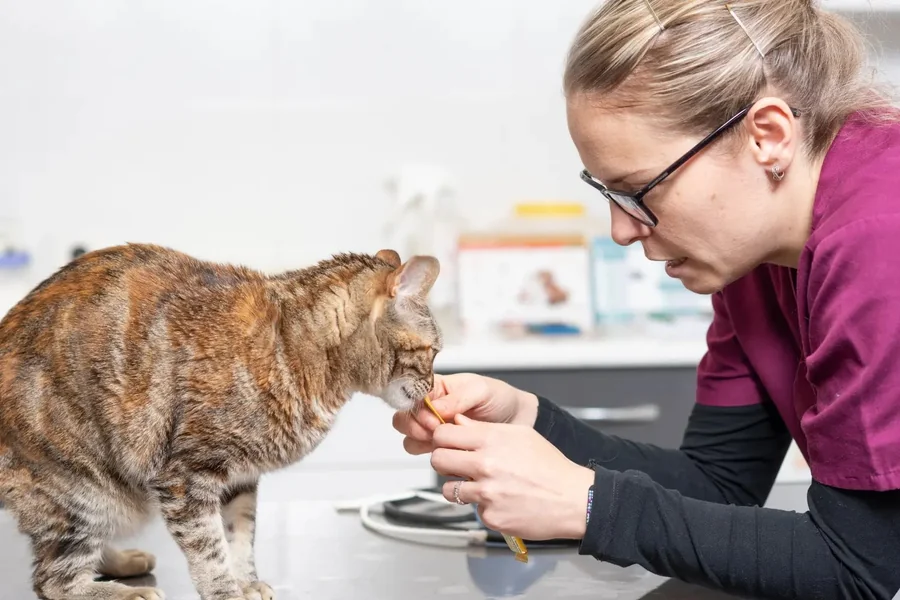
You might be watching the food bowl, wondering when your cheerful, snack-obsessed cat turned into someone who just sniffs and walks away. Maybe it started with leaving a few kibbles behind. Now it has turned into full meals untouched, and you are counting hours since the last real bite. You know something is off, and that quiet worry in your chest is getting louder. It may be time to contact a trusted veterinarian in Lansdale, Montgomery County, PA.
When a cat stops eating, it is scary. You might be thinking about money, emergency visits, and worst-case outcomes, all while trying to coax one more lick of food. This guide walks you through what could be going on, what you can safely check at home, and when your cat needs a veterinarian right away. In short, if your cat has not eaten for more than 24 hours, or is acting sick in any way, that is a medical concern, not just “picky eating.”
So where does that leave you when you are staring at a full bowl and a cat who will not touch it?
What does it really mean when a cat is not eating?
When you ask “Why is my cat not eating?”, you are really asking two questions. Is this a behavior issue, like fussiness, or is this a sign of illness. Cats are masters at hiding pain, so a change in appetite is often one of the first clear signals that something is wrong.
Here are some of the more common categories of causes.
- Pain in the mouth or teeth
If every bite hurts, your cat may simply give up. Dental disease, broken teeth, mouth ulcers, or a foreign object stuck under the tongue can all make eating miserable. You might notice drooling, bad breath, food falling out of the mouth, or your cat chewing on just one side.
- Nausea or tummy trouble
Nausea does not always look like dramatic vomiting. A nauseous cat may lick their lips, approach food then walk away, or sit near the bowl as if they want to eat but cannot. Causes range from simple stomach upset to pancreatitis, kidney disease, liver disease, or toxins.
- Stress and environmental changes
Cats are sensitive to change. A new pet, a move, a different food, a new baby, or even construction noise can shut down appetite. Stress can also flare up conditions like cystitis or colitis, which then make your cat feel even worse and less likely to eat.
- Systemic illness that affects the whole body
Infections, fever, organ disease, diabetes, hyperthyroidism, and cancer can all lead to appetite loss. You might see weight loss, drinking more or less water, hiding, or just “not being themselves.” This is where early action really matters, because prolonged anorexia in cats can trigger serious complications like hepatic lipidosis (fatty liver disease). The Cornell Feline Health Center has a helpful overview of feline anorexia and its risks, which you can read about in more depth through their resource on anorexia in cats.
Because of all these possibilities, it can feel overwhelming. How do you tell if this is “watch and wait” or “go now”?
How worried should you be about your cat’s loss of appetite?
One of the hardest parts is deciding how long to give it before you call your Animal Hospital. You do not want to overreact, yet you also do not want to miss a narrow window where treatment is easier and safer.
Here are a few “what if” situations that many cat owners face.
What if your adult cat skips one meal, but is otherwise normal?
If your cat skips a single meal, still drinks, plays, and acts normal, you can usually watch closely for 12 to 24 hours. Offer a fresh portion of their regular diet and see if appetite returns. However, if they skip more than one meal, or you see any other symptoms, it is time to call your veterinarian.
What if your cat is not eating and is also hiding or vomiting?
This is more serious. Hiding, vomiting, diarrhea, breathing changes, or sudden behavior shifts suggest illness, not just fussiness. Waiting here can be risky. These cats should be seen urgently, often the same day.
What if your kitten or very thin cat stops eating?
Kittens and underweight cats have less reserve. They can become dangerously weak or develop low blood sugar quickly. A kitten that refuses food for even part of a day and seems off is an emergency case, not a “wait and see.”
Under all of this sits the emotional tension. You may be worried about the cost of tests, unsure if you are being “dramatic,” and afraid of bad news. Yet there is a real cost to waiting too long. Conditions that are simple to treat early can become complex, painful, and expensive if days go by without food.
At-home checks vs urgent vet care when your cat stops eating
To help you sort through your options, here is a comparison of what is usually reasonable to do at home and what typically needs prompt veterinary care when facing a cat that will not eat.
| Situation | Reasonable At-Home Actions | When To Call A Vet Or Animal Hospital |
|---|---|---|
| Adult cat skips one meal but is bright, playful, and hydrated | Offer fresh food, try a small amount of warmed wet food, monitor closely for 12 to 24 hours | If appetite is still poor after 24 hours, or new symptoms appear, schedule an exam soon |
| Cat not eating for 24 hours or eating very little | Check mouth, gums, and litter box, note any vomiting or diarrhea, write down changes for the vet | Call your veterinarian the same day for guidance and likely appointment |
| Not eating plus vomiting, diarrhea, or lethargy | Do not give over-the-counter human meds, keep cat warm and quiet | Seek urgent or emergency care. This combination can signal serious illness |
| Kitten or senior cat not eating | Offer a small amount of familiar food, check for dehydration by feeling gums | Contact a vet within hours, especially if there is any weakness, wobbliness, or vomiting |
| Chronic “picky” eating or gradual weight loss | Track weight monthly, keep a food diary, avoid frequent diet changes without guidance | Book a wellness exam and lab work. Chronic appetite change can hide organ disease |
VeterinaryPartner provides a helpful explanation of why early treatment for appetite loss matters, including the risks of fatty liver and when assisted feeding is needed, which you can review in their article on feline anorexia and supportive care.
What can you safely check at home when your cat will not eat?
Before you head in, there are a few gentle checks you can do at home. These are not a substitute for a full exam, but they give you useful information to share with your veterinarian when you talk about cat not eating causes and options.
Look at the mouth and teeth
If your cat allows it, softly lift the lips and look at the gums and front teeth. Are the gums very red, pale, or yellow. Do you see broken teeth, heavy brown tartar, or sores. Check if there is strong, foul odor from the mouth. Never force the mouth open if your cat resists or seems painful. Note what you see instead.
Check hydration and general comfort
Gently feel the gums. They should be moist, not sticky or dry. Notice if your cat is grooming normally or looks unkempt. Watch how they move. Are they jumping and walking normally, or slow and hunched. These small details help a veterinarian understand how sick your cat might be.
Observe the litter box and behavior
Has your cat used the litter box in the last day. Any diarrhea, constipation, or blood. Are they hiding under furniture, avoiding family, or crying when picked up. These signs, combined with not eating, all point more strongly toward illness rather than simple fussiness.
Three immediate steps you can take for a cat that is not eating
- Offer tempting but safe food choices
Warm a small spoonful of your cat’s regular wet food to room temperature. The smell can encourage eating. You can also try a small amount of another cat-safe wet food or a therapeutic appetite-stimulating diet if already prescribed. Avoid sudden large diet changes, rich table scraps, or dog food. The goal is a gentle nudge, not a shock to the system.
- Reduce stress and create a calm feeding space
Move the food bowl to a quiet, safe corner. Keep dogs, children, and loud noises away during mealtime. Offer fresh water nearby. Some cats eat better from a flat plate than a deep bowl. Others prefer a different texture, such as pate instead of chunks. Small adjustments can make a big difference, especially if anxiety is part of the problem.
- Call your veterinarian early, not late
If your cat has eaten little or nothing for 24 hours, or if there are any other worrying signs, contact your Animal Hospital. Describe clearly how long your cat has not eaten, any vomiting, changes in drinking or urination, and what you found during your at-home checks. Early communication can mean simpler tests, less invasive treatment, and a better outcome for your cat.
Moving forward when your cat’s appetite is a concern
When you are facing a full bowl and an empty stomach, it is easy to feel helpless. You love your cat. You want to do the right thing, and you do not want to overreact. At the same time, you now know that a cat who is not eating is never something to ignore, especially when it continues or comes with other symptoms.
Trust your instincts. You live with your cat every day. If you are asking “Why is my cat not eating?” and the answer does not feel simple or short-lived, reach out to your veterinarian or local Animal Hospital. A timely exam, some targeted tests, and a clear plan can turn that tight knot of worry into relief, and most importantly, can help your cat feel safe and comfortable again.
