

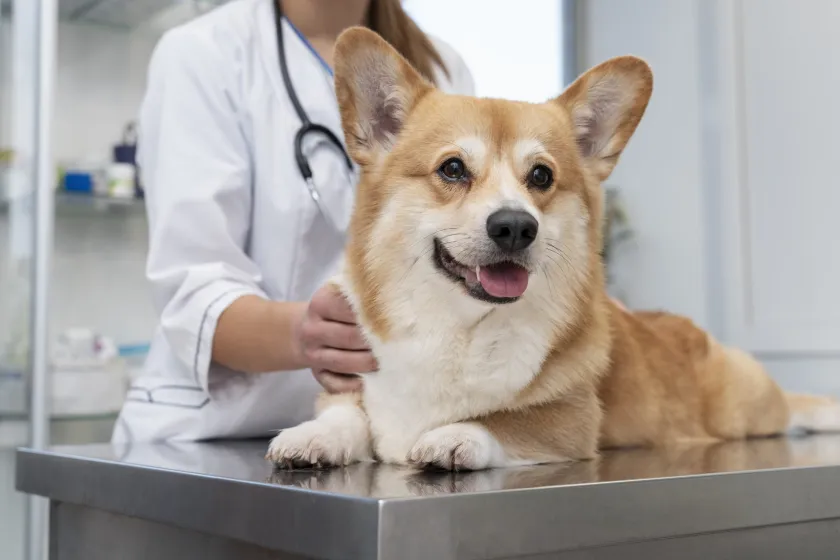
You might be watching your pet right now and wondering if something is off. Maybe they are sleeping a little more, eating a little less, or just not acting like themselves, and a part of you is whispering, “What if I am overreacting?” while another part is quietly scared that you are not—and that it’s time to talk to a veterinarian in Northern San Diego.
This is a hard place to be. Before a diagnosis, everything feels uncertain. After a diagnosis, you either feel relief that you caught it early, or regret that you did not. The space in between is full of second-guessing. You want to be a good guardian, but you also do not want to rush to the vet for every tiny change.
Here is the simple truth. Early detection in veterinary medicine often means your pet has more treatment options, less pain, and a better chance at a longer life. It can save you money, reduce emergency visits, and give you back a sense of control. You cannot prevent every illness, but you can shift the odds in your pet’s favor by noticing subtle changes and using routine care wisely.
So where does that leave you when you are staring at a pet who cannot tell you where it hurts?
Why “Waiting To See” Can Be Risky For Your Pet’s Health
It usually starts small. Your cat drinks a bit more water. Your dog hesitates on the stairs. Maybe there is a little weight loss, or a cough that comes and goes. Life is busy, so you keep an eye on it and tell yourself you will call the vet if it gets worse.
This “wait and see” approach is understandable. Vet visits cost money. Many pets get stressed in carriers and cars. You might feel embarrassed showing up for something that turns out to be “nothing.” Because of this tension, many people delay care until symptoms are obvious, and by then the problem can be much harder to treat.
Here is the part that hurts to think about. Animals are experts at hiding discomfort. In the wild, showing weakness can be dangerous, so they are wired to mask pain and illness until they cannot compensate anymore. By the time a pet is limping badly, struggling to breathe, or refusing all food, the underlying disease may have been brewing for weeks or months.
Consider a few “what if” scenarios that happen every day in general veterinary practice.
A middle-aged cat starts losing weight but is eating well. You assume it is just getting older. Over time, the cat becomes more restless at night and vocal. Months later, blood work finally reveals hyperthyroidism. If that same blood test had been done during a routine wellness visit, treatment could have started earlier, and the cat would have been spared months of strain on the heart.
A dog has bad breath and avoids crunchy treats. You chalk it up to age. Eventually, the dog stops chewing on one side of the mouth. An exam shows advanced dental disease and infected teeth that now need extractions and anesthesia. With regular dental checks and cleanings, many of those teeth could have been saved, and the infection could have been controlled sooner.
These are not rare stories. They are everyday examples of how small, “not urgent” changes can signal disease that responds much better when found early.
What Makes Early Detection In Pets So Powerful?
You might wonder why catching things early makes such a difference if treatments are similar. The answer lies in damage control. Early disease often means less damage to organs, less spread of cancer, and a body that is stronger and more able to tolerate treatment.
For example, research in human and veterinary medicine shows that early diagnosis of infectious diseases like respiratory viruses can reduce complications and spread. One study on COVID-19 testing in animals highlighted how timely screening helped guide care and limit transmission within households and clinics. You can read more about that kind of early testing approach in this open access research review.
In more everyday terms, early detection often means:
- Shorter, simpler treatments instead of long, intense ones
- More options, such as medications, diet changes, or minor procedures, instead of surgery or hospitalization
- Lower overall cost compared with repeated emergency visits or advanced care
- Better comfort and quality of life for your pet
Routine wellness care is the quiet hero here. Regular exams, vaccines, parasite checks, and screening tests catch problems while they are still “invisible” at home. For example, preventive health care guidelines for cats recommend age-based checkups that include exams, lab work, and dental assessments. You can see a clear outline of this approach in these preventive care guidelines for cats.
This is what people mean when they talk about why early diagnosis in pets saves lives. It is not about being alarmist. It is about using simple, steady care to catch trouble before it snowballs.
Is Early Detection Really Worth The Cost And Effort?
It is natural to weigh the cost of regular vet visits against the chance that something serious might be found. You might think, “My pet seems fine. Do I really need blood work or X-rays if nothing is obviously wrong?”
To help put this in perspective, it can be useful to compare what happens when problems are caught early versus late.
| Health Issue | Found Early | Found Late |
| Dental disease | Minor cleaning, less pain, teeth often saved, lower cost | Extractions, infection, possible organ impact, higher cost |
| Kidney disease | Diet change, fluids, regular monitoring, slower progression | Hospitalization, advanced damage, limited treatment options |
| Cancer | Smaller tumors, surgery often possible, better control | Spread to other organs, complex treatment, poorer outlook |
| Diabetes | Manageable with insulin and diet, fewer crises | Severe weight loss, ketoacidosis, emergency care needed |
This is the quiet math behind early veterinary screening for pets. You trade a predictable, planned expense now for a much better chance of avoiding a frightening, expensive emergency later.
So what can you actually do today, without feeling overwhelmed or guilty about the past?
Three Concrete Steps You Can Take Right Now
1. Schedule a true wellness exam, not just “shots”
If your pet has not had a full nose-to-tail exam in the past year, make that your first move. Ask for a wellness visit, not only vaccines. Your general veterinarian can check weight trends, listen to the heart and lungs, examine teeth and gums, feel the abdomen, and discuss any subtle changes you have noticed.
For senior pets, ask whether basic blood work and a urine test are recommended. These simple screens often pick up early kidney, liver, thyroid, or metabolic changes before symptoms appear.
2. Start a “tiny changes” journal for your pet
You do not have to obsess over every move your pet makes, but writing down small changes can be surprisingly powerful. Note shifts in appetite, thirst, energy, sleep patterns, litter box or bathroom habits, weight, breathing, and behavior.>
Bring this record to your vet. Patterns that feel vague in your head often become clear on paper, and this helps your veterinarian pinpoint whether more testing is needed or if watchful waiting is reasonable.
3. Agree on an early detection plan with your veterinarian
At your next visit, ask your vet what an appropriate early detection plan looks like for your pet’s age, breed, and medical history. This might include:
- How often your pet should come in for exams
- Which screening tests make sense and how often
- Warning signs that should trigger an immediate call
- Weight and dental care goals for the next year
When you have a plan, you are no longer reacting in panic. You are following a roadmap that gives your pet the best chance at a longer, more comfortable life with you.
Bringing It All Together
You care about your pet, and you are doing the best you can with the time, money, and information you have. Feeling unsure does not mean you are failing. It means you are thoughtful enough to question, and that is exactly the kind of person who benefits most from early detection.
Regular checkups, simple screening tests, and paying attention to small changes are quiet, powerful ways to protect your pet. They turn “I hope everything is okay” into “I know we are watching this closely.” That shift can spare your pet pain, give you more good years together, and often reduce long-term costs.
If you have been worried about something, even if it feels small, reach out to a general veterinarian and start a conversation. You do not have to have all the answers. You just have to take the first step toward clearer ones.
