

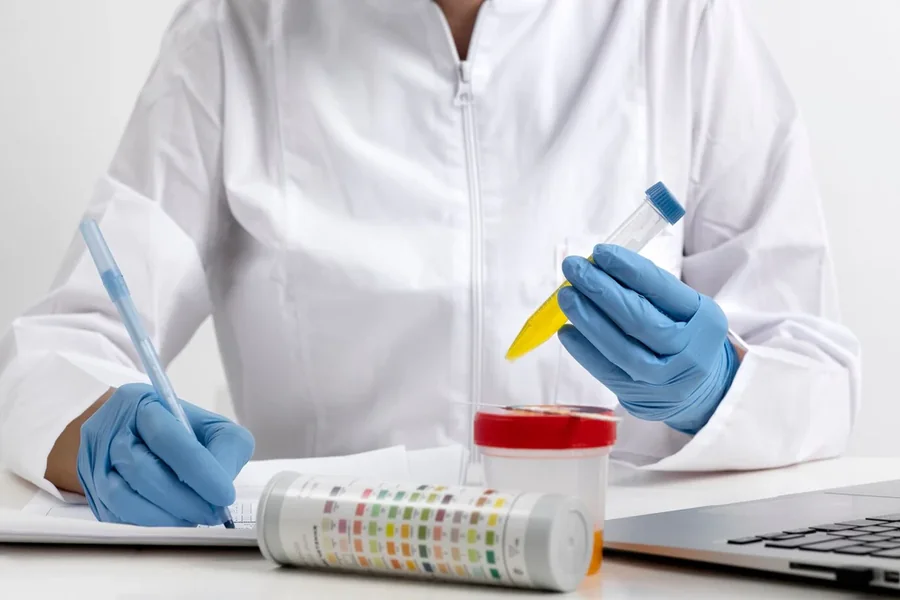
Drug testing is an important tool for employers, healthcare providers, law enforcement, and numerous other organizations. While any drug test on the market is able to detect the presence of drugs or their byproducts (known as metabolites), the way that they do it can vary quite a bit. Understanding the differences between common testing methods can help employers choose the option that best meets their needs for employment drug screening.
Urine Drug Testing
Urine testing is a very commonly used method for drug testing. It’s affordable, easy to administer, fairly quick, and capable of detecting many different substances. One of the main advantages of urine testing is its cost effectiveness. It’s widely accepted and supported by established testing standards as well. However, urine tests detect more recent drug use rather than long-term patterns. The detection windows vary by substance, but usually range from a few days to several weeks for some drugs. The main drawback of this testing method is that the samples can be tampered with or diluted fairly easily if you don’t follow very strict collection procedures.
Hair Follicle Testing
Hair testing provides one of the longest detection windows you can get. Drug metabolites get trapped in the hair shaft as it grows, allowing a drug testing lab to identify drug use that occurred months ago. This method is especially useful if you’re trying to get insight into an individual’ s long-term drug use history. In many cases, hair tests can detect drug use for up to 90 days, depending on the length of the hair. On the downside, hair testing is more expensive than urine testing, and it’s not great for detecting very recent drug use, since it usually takes several days to be detectable in hair.
Saliva Testing
Saliva testing is becoming more popular because of its convenience and accuracy in detecting recent drug use. Collection is simple, non-invasive, and can be done under direct observation, which cuts down the odds of samples being tampered with. Saliva tests are especially effective for detecting drug use within the past few hours and up to several days. This makes it useful for employers who are testing employees due to suspicion of coming to work while impaired. However, if you want a longer detection window, saliva testing isn’t a great option.
Choosing the Right Method
Each employment drug testing method has unique strengths and limitations. It’s important to take the time to compare the different methods and determine which one will provide the detection window you’re looking for in your organization.
