

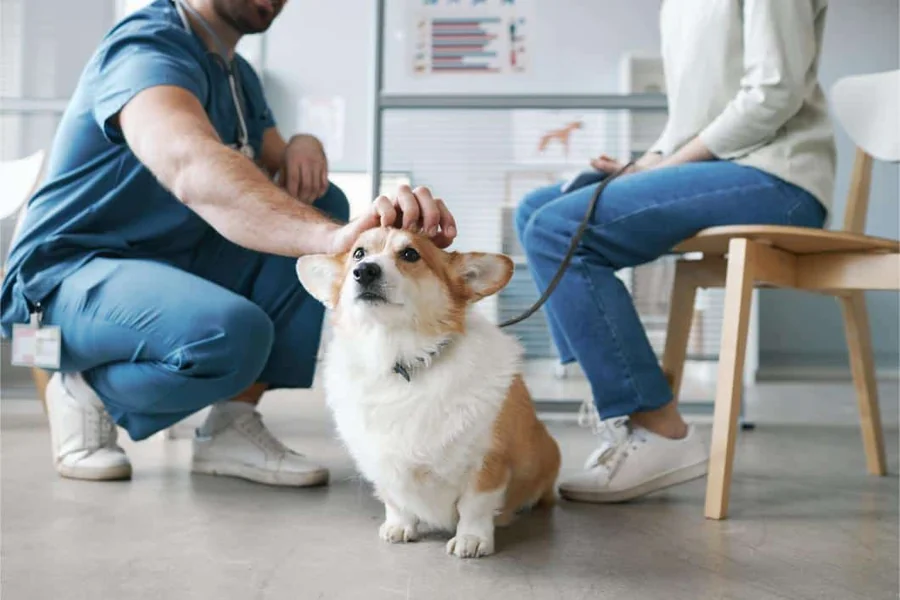
You might notice it starts long before you even reach the clinic. You pick up the carrier or the leash and your pet suddenly disappears under the bed or plants all four paws on the pavement. Your heart sinks, because you know what is coming. The heavy breathing. The shaking. Maybe the growling or crying in the waiting room. By the time you sit down with the veterinarian in Lambertville, MI, you are exhausted, your pet is terrified, and you wonder if there is a better way.end
If that sounds familiar, you are not alone. Many caring owners feel guilty and stressed about vet appointments. You know these visits matter for your pet’s health, yet every checkup feels like a battle. The good news is that you are not stuck with this pattern. With a few thoughtful changes, you can move toward stress free vet visits that feel calmer for both you and your animal.
In simple terms, here is the path ahead. You will understand why your pet reacts so strongly, what might be making things worse without you realizing it, and how small steps at home and at the clinic can ease that fear. You will see clear comparisons between “do nothing and hope for the best” and “plan ahead and work with your vet.” Finally, you will walk away with specific actions you can start this week.
Why do vet visits feel so hard, and what is really going on with your pet?
Think about a typical appointment from your pet’s point of view. The carrier appears only when something unpleasant is coming. The car ride may cause motion sickness or remind them of past shots. The clinic smells like other stressed animals. Strangers handle them and sometimes cause brief pain. When you add all of this together, it is not surprising that many pets feel overwhelmed.
Because of this, you might notice your own anxiety rising before the visit. You worry the cat will scratch, or the dog will bark at other animals. You might be concerned about the cost of extra tests if the visit does not go smoothly, or about missing early signs of illness because you are tempted to put off appointments.
So where does that leave you? Often in a loop. The pet remembers fear from the last visit. You remember the struggle. Both of you arrive already tense. That tension can make even routine care, like nail trims or vaccines, feel like a crisis.
There is another layer too. When visits are stressful, some owners begin to delay them. That can mean missing early warnings of problems such as kidney disease, dental pain, or arthritis. When issues are found later, the treatment can be more costly and more intense. In that sense, stress at the vet is not just emotional. It can have real health and financial consequences over time.
The encouraging part is that animals can learn new associations. With patient practice, many pets can shift from “vet equals terror” to “vet equals treats and quick visits.” Resources on fear free veterinary visits show that simple changes in handling, environment, and preparation can lower stress for cats and dogs.
What specific challenges make veterinary visits stressful for dogs and cats?
For dogs, the challenge often starts at the door. Some dogs shake or resist going inside. Others bark, lunge, or snap because they are afraid. In the exam room they might become “frozen” and shut down, or they might struggle so much that even a basic exam is hard. This can be upsetting to watch, especially if your dog is usually relaxed at home.
For cats, the stress often begins with the carrier. Many cats only see the carrier right before a vet trip. They run, hide, and may fight being placed inside. The car ride can add nausea or drooling. By the time you arrive, your cat may be panting, vocalizing, or too frightened to leave the carrier. Guidance from veterinary behavior experts, such as those at Cornell’s canine and feline programs, explains how to make vet visits less stressful for dogs and how to prepare cats for handling and travel.
Then there is your side of the story. You might be trying to juggle work, family, and appointment times. You might worry about the cost of extra sedation or special handling. You might feel judged if your pet “acts out.” All of this pressure can make you dread booking the next appointment, even though you care deeply about your animal’s health.
So how can you break this pattern and move toward truly low stress veterinary visits that support your pet’s long term health?
What actually changes when you plan for calmer vet visits?
Planning for calmer vet visits is not about turning your pet into a perfect patient overnight. It is about small, steady changes that reduce fear. To see how this plays out, it helps to compare doing nothing with taking simple steps before and during appointments.
| Approach | What it looks like | Short term impact | Long term impact
|
|---|---|---|---|
| “Hope for the best” vet visit | Carrier appears only on vet day. Pet is rushed into car. No treats or calm practice at home. | High stress for pet and owner. Struggling, vocalizing, possible need for extra restraint. | Stronger fear with each visit. Owner tempted to delay care. Possible higher costs when problems are found late. |
| Planned low stress visit | Carrier or leash used often at home. Short practice car rides. High value treats. Quiet waiting options when possible. | Gradually calmer behavior. Easier exams. Better communication with the veterinary team. | More regular preventive care. Earlier detection of health issues. Less emotional strain around appointments. |
| Planned visit with extra support | Same steps as low stress visit, plus vet guided use of anxiety aids or mild medication when needed. | Markedly lower fear for highly anxious pets. Safer handling for everyone. | Pet builds more neutral or positive memories. Owner feels confident keeping up with routine care. |
When you think of a “general veterinarian,” it can help to view them not just as the person who gives shots, but as a partner in behavior and comfort too. Many clinics now follow fear aware or low stress handling methods. When you speak up about your pet’s anxiety, your veterinary team can often adjust scheduling, waiting room routines, and exam techniques to support your animal.
6 tips for making veterinary visits stress free
These six tips are simple, but together they can transform how your pet feels about the clinic over time.
1. Make the carrier or leash part of normal life
For cats, bring the carrier out well before you need it. Keep it open in a quiet room with a soft blanket and a few treats or toys inside. You can even feed meals near or inside the carrier. The goal is for your cat to see it as a safe hiding spot, not a trap that appears only on “bad” days. For dogs, clip the leash on at random calm times, walk around the house, give a treat, and remove it. This breaks the link between leash and scary car rides.
Many new cat owners are surprised by how much early handling practice helps. Guidance such as Cornell’s booklet on what to expect when adopting a cat, which includes handling tips, can support you as you prepare feline friends for vet care.
2. Practice short, calm “mock visits”
Instead of saving all the stress for appointment day, break it into tiny, positive pieces. For dogs, that might mean short car rides where you simply drive around the block, give treats, then go home. For cats, it could be calmly placing your cat in the carrier for a minute, offering a treat through the door, then letting them back out. Over time, you can slowly extend these sessions. The key is to stay below your pet’s panic point. Many small, easy successes are better than one long, overwhelming effort.
Some clinics also offer “happy visits.” These are quick drop ins where your pet comes in just to get treats and gentle attention, with no exam or shots. This builds new, less scary memories of the clinic itself.
3. Talk openly with your veterinary team about fear
It can feel embarrassing to admit that your pet is hard to handle, yet your vet and staff would much rather know this ahead of time. Share what you see at home. Does your dog growl when touched in certain areas. Does your cat get motion sick. Has your pet ever needed a muzzle. This is not a judgment on your care. It is information that helps the team plan a calm visit.
You can ask about quiet appointment times, waiting in the car until a room is ready, or going straight into an exam room. You can also discuss whether anxiety relief tools such as pheromone sprays, supplements, or prescription medication are appropriate. For some animals, medication for the visit is an act of kindness, not a last resort.
4. Use food and comfort thoughtfully
Food is a powerful tool. On the day of the appointment, many vets suggest a slightly smaller meal for dogs, so they are interested in treats and less prone to nausea. Bring high value snacks your pet rarely gets at home, such as tiny bits of chicken or a special soft treat. Offer them in the waiting area, during the exam when safe, and right after any procedure.
For cats, familiar smells and textures matter. Place a worn T shirt or blanket that smells like home inside the carrier. Covering the carrier with a light towel can also help some cats feel hidden and safer. Speak in a calm, low voice. Your pet will take cues from your body language, so even slowing your own breathing can help.
5. Plan for safe handling and transport
Car safety is part of a stress free veterinary visit. For dogs, use a secured crate or a crash tested harness attached to the seat belt. For cats, always keep them in a closed, stable carrier. Do not open the carrier in the parking lot. Wait until you are in an enclosed space. This protects your pet from bolting if they are startled.
If your animal is large, elderly, or has mobility issues, ask the clinic how they can assist you from the car. Some practices can meet you curbside with a gurney or provide extra staff to help carry the carrier. Planning this in advance prevents last minute strain for both you and your pet.
6. Be kind to yourself about the process
Even with the best planning, some visits will still feel hard. Your pet might have an off day. You might feel flustered. That does not mean you failed. Behavior change takes time. The fact that you are thinking about stress free veterinary visits already puts you on a better path than simply hoping things will magically improve.
After each visit, notice one thing that went a little better, even if it was small. Maybe your dog took a treat in the lobby for the first time. Maybe your cat settled in the carrier more quickly. These small wins add up. They also remind you that your effort matters.
What should you do next to make your pet’s next checkup calmer?
You do not need to fix everything at once. Choose a few actions and start there.
Step 1. Start “normalizing” the carrier or leash today
Place the carrier in a quiet, safe spot and drop a few treats inside each day. For dogs, clip on the leash randomly for calm, short, positive moments. This simple change begins to loosen the link between these items and fear.
Step 2. Call your general veterinarian and share your concerns
When you book the next appointment, mention your pet’s stress. Ask about quieter times, direct room entry, and whether your pet might benefit from anti anxiety aids for travel or the exam. This conversation helps the clinic prepare, which in turn helps your animal.
Step 3. Plan one or two brief practice sessions each week
For example, once or twice a week, put your pet in the car for a very short ride with treats, or sit with your cat in the carrier for a minute, then return to normal activities. Keep sessions short, calm, and rewarding. Over time, this gentle practice can shift how your pet feels about the whole experience.
Moving toward calmer care for you and your pet
Veterinary visits may never be your pet’s favorite outing, yet they do not have to be a scene of panic and struggle. With patient preparation at home, open talk with your veterinary team, and a focus on comfort and safety, you can move steadily toward calmer, more cooperative care.
You care enough to read about this and to look for better options. That care already makes a difference. Your pet does not need perfection. They need your steady effort, your willingness to plan ahead, and your presence by their side.
