

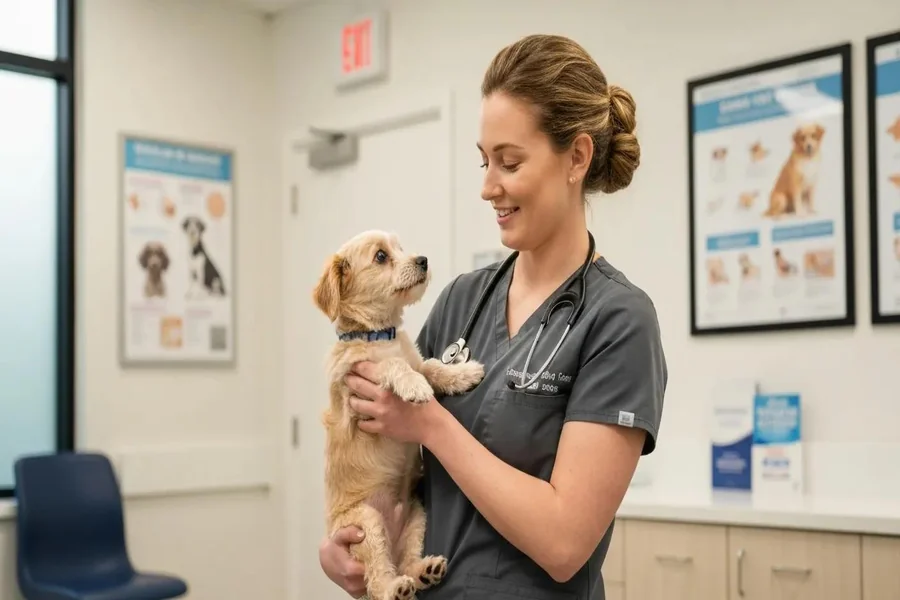
You might be feeling that slow rise of worry that starts when your pet is not acting like themselves. Maybe the water bowl is still full, your dog seems weak, or your cat is hiding and refusing food. Before this, it was just a normal day. After you notice dry gums, vomiting, diarrhea, or heavy panting, everything changes fast. If you are wondering what happens next, the short answer is this: veterinary urgent care for dehydration usually starts with a quick exam, a check of how severe the fluid loss is, and treatment to restore fluids while the team looks for the cause. If you need help, contacting a veterinarian in Augusta, Maine can be a good next step.
That can help to hear, but it does not erase the stress. Dehydration can look mild at first and then turn serious, especially in puppies, kittens, senior pets, and animals that have been sick for even a short time. Because of that tension, you might wonder whether you can manage this at home or whether your pet needs Animal Urgent Care right away.
What does pet dehydration look like, and why can it get serious so quickly?
Dehydration means your pet is losing more fluids than they are taking in. That may happen after vomiting, diarrhea, heat exposure, fever, poor appetite, kidney disease, or simply not drinking enough. In some pets, especially cats, the signs can be subtle. In others, the change is obvious. You may notice dry or tacky gums, sunken eyes, low energy, fast breathing, weakness, or skin that does not spring back quickly when gently lifted.
The problem is not just thirst. When fluid levels drop, the body has a harder time moving oxygen and nutrients where they need to go. Organs can become strained. Blood pressure may fall. Electrolytes can shift. If the cause is heatstroke, toxin exposure, or a serious infection, fluid loss is only one part of a bigger emergency. That is why dehydration treatment at a veterinary urgent care center often includes both fluid support and a search for the reason behind it.
If you want a basic first aid overview while you are deciding what to do, the AVMA pet first aid brochure can help you spot warning signs. For broader emergency planning, Texas A&M also offers practical guidance on how to prepare for a pet emergency.
How do veterinary urgent care centers evaluate dehydration cases when you walk in?
When you arrive, the team usually starts with triage. That means they assess how stable your pet is before anything else. They may check gum moisture and color, heart rate, breathing, temperature, weight, and capillary refill time, which is a quick way to see how well blood is circulating. If your pet is weak, collapsed, or showing signs of shock, treatment may begin immediately.
So, where does that leave the rest of the visit? After that first check, the clinician may recommend bloodwork, urine testing, or imaging, depending on the symptoms. A dog with two episodes of vomiting may need a different workup than a cat with ongoing kidney disease or a puppy with severe diarrhea. The goal is not only to replace fluids, but to understand what caused the loss and whether there are hidden complications.
At many centers, treatment starts with subcutaneous fluids for milder cases or intravenous fluids for pets that need faster, more controlled support. Anti nausea medication, pain relief, temperature support, or monitoring may also be part of care. In more severe cases, transfer to a full emergency and critical care hospital may be needed. Washington State University explains how emergency and critical care services support pets with urgent medical problems that need close monitoring.
Should you try home care first, or is professional care the safer choice?
This is where many pet owners get stuck. If your pet is still alert, maybe drinking a little, and has only mild symptoms, it is tempting to wait it out. Sometimes that works. Sometimes it costs precious time. The hard part is that dehydration is not always easy to judge at home, and pets can mask decline until they are much sicker than they look.
| Situation | Home Monitoring May Be Reasonable | Animal Urgent Care Is the Better Choice |
|---|---|---|
| Drinking water | Pet is drinking normally and keeping it down | Pet refuses water, vomits after drinking, or cannot drink |
| Energy level | Still alert and moving around normally | Weak, hiding, lethargic, confused, or collapsed |
| Gums | Moist and pink | Dry, sticky, pale, or very dark red |
| Vomiting or diarrhea | Single mild episode and then improvement | Repeated episodes, blood, or symptoms lasting more than a few hours |
| Risk level | Healthy adult pet with mild signs | Puppy, kitten, senior pet, or pet with kidney disease, diabetes, or heat exposure |
A simple example helps. If your dog had one loose stool but is eating, drinking, and acting fine, your veterinarian may suggest monitoring. If your cat has not eaten all day, seems dull, and has tacky gums, waiting is much harder to justify. Urgent care for dehydrated pets can prevent a manageable problem from turning into a crisis.
What can you do right now if you think your pet is dehydrated?
Watch for patterns, not just one sign. A single clue can be misleading. Look at energy, appetite, vomiting, diarrhea, gum moisture, and whether your pet can keep water down. If several signs show up together, treat that as a stronger warning.
Offer water, but do not force it. Small amounts of fresh water may help if your pet is alert and not vomiting. Do not force water into your pet’s mouth, because that can lead to choking or aspiration. Human sports drinks, salt broths, and home fluid mixes are not a safe substitute unless a veterinarian tells you otherwise.
Call before the situation worsens. If your pet is weak, keeps vomiting, has ongoing diarrhea, or is at higher risk because of age or medical history, seek care promptly. Keep your pet cool, quiet, and transported safely. For another current first aid reference, the updated AVMA pet first aid guide is worth saving.
What should you expect after treatment for dehydration?
Many pets improve once fluids and symptom control begin, sometimes within hours. Still, the next step depends on the cause. A pet with mild stomach upset may go home with medication and feeding instructions. A pet with kidney trouble, heat illness, or severe fluid loss may need longer monitoring or transfer for advanced care. You may also receive advice on offering water, restarting food slowly, and watching for relapse.
The important thing to remember is that dehydration is often a signal, not the whole story. When a veterinary team treats it early, they are not just giving fluids. They are protecting your pet while they figure out what else may be going on.
If your pet seems off and the signs point to fluid loss, trust that instinct and seek Animal Urgent Care as soon as you can. Fast action can make treatment simpler, safer, and far less overwhelming for both of you.
