

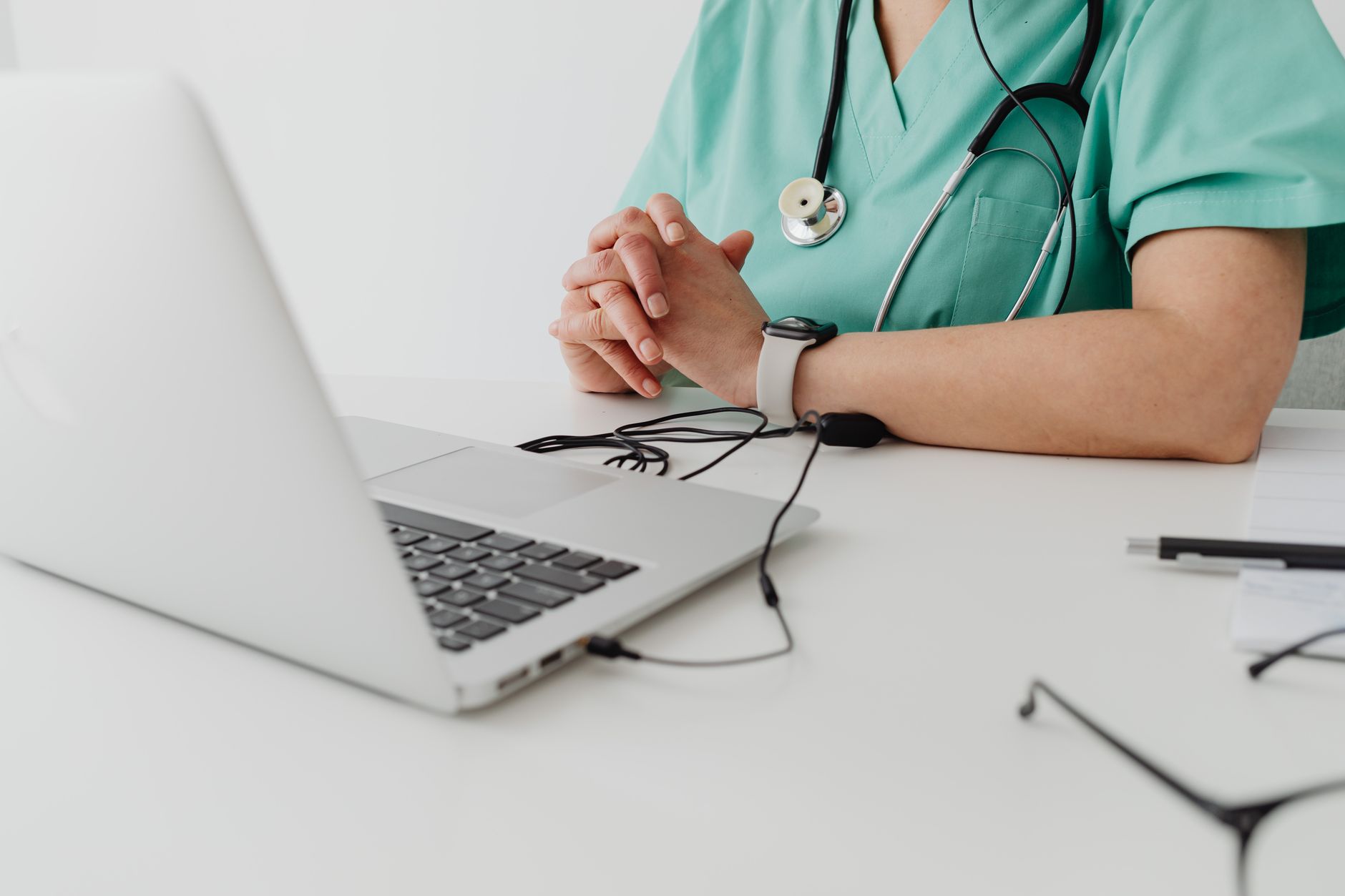
You have probably felt this shift already. A pet starts limping at night, starts scratching nonstop on a weekend, or seems off in a way that is hard to explain, and your first instinct is to call for help fast from a Centreville veterinarian. What used to mean waiting for office hours or making a stressful trip across town now has another option. The growing demand for telehealth in animal hospitals is coming from that exact pressure point. Pet owners want guidance sooner, veterinary teams need better ways to manage time, and animals benefit when care starts before a problem gets worse.
The short version is simple. Telehealth is becoming a practical part of modern veterinary care, not a replacement for hands on exams, surgery, or emergency treatment, but a useful layer that helps animal hospitals triage cases, monitor chronic conditions, answer follow up questions, and stay connected with clients who need support between visits.
Veterinary telehealth demand is rising because pet care has changed
Pets are family, and families do not like waiting in uncertainty. That is a big reason veterinary telehealth demand keeps growing. Owners expect faster communication in every part of life, and they now expect it in pet care too. Animal hospitals are feeling that pressure from both sides. Clients want convenience, and veterinary teams are trying to protect staff time while still giving clear, safe advice.
This demand is not happening in a vacuum. The veterinary profession has been tracking changes in staffing, caseloads, and client expectations for years. The AVMA State of the Profession report gives useful context on the forces shaping veterinary practice, including workload and access to care. When hospitals are booked out, phone lines are packed, and clients are anxious, telehealth becomes less of a luxury and more of a pressure release valve.
You can see the appeal in everyday cases. A dog with a healing incision may only need a visual recheck. A cat with a long history of skin flare ups may need medication follow up and a treatment adjustment. A senior pet with arthritis may do better when the veterinarian can see how it moves at home instead of only in a clinic setting where fear changes behavior. Those are not fringe situations. They are common, and they fit the strengths of remote care.
Animal hospital telemedicine works best when it solves the right problems
The strongest case for animal hospital telemedicine is not that it can do everything. It cannot. The value is that it handles the right things well. Triage is a major one. A video consult can help determine whether a pet needs emergency care now, a same day visit, or careful home monitoring until morning. That protects pets from delays and helps hospitals reserve in person slots for cases that truly need physical exams.
Follow up care is another area where telehealth earns its place. If you have ever hauled a nervous cat into a carrier for a five minute post treatment conversation, you already understand the benefit. Remote check ins reduce stress on the animal, save travel time, and often improve compliance because owners are more likely to attend a virtual follow up than skip an in person one.
There is also a business reality here. Burnout in veterinary medicine is real, and every unnecessary in person visit adds friction to an already strained system. Structured telehealth can reduce that strain when it is built around protocols, documentation, and clear client education. The AVMA telehealth resources outline how practices can approach remote care responsibly.
Telehealth in veterinary care has limits that animal hospitals must respect
Convenience can create false confidence if a hospital is not careful. A camera cannot palpate an abdomen, listen to lungs, or run bloodwork. A pet that looks stable on screen may still be in trouble. That is why telehealth works best as part of a larger care model, with clear rules for when remote advice ends and in person treatment begins.
That line matters for clients too. If your dog is collapsing, struggling to breathe, or actively bleeding, a virtual visit is not enough. If your rabbit has stopped eating, if your cat cannot urinate, if your puppy may have eaten something toxic, the safest use of telehealth may be a rapid triage call that sends you straight to the hospital. Good remote care does not try to avoid hands on medicine. It gets you to it faster when needed.
| USE CASE | TELEHEALTH FIT | IN PERSON VISIT FIT |
| Post operative incision check | Strong fit when healing is visible and the pet is otherwise stable | Needed if there is swelling, discharge, pain, or fever |
| Chronic skin condition follow up | Strong fit for progress review and medication discussion | Needed for new lesions, diagnostics, or severe flare ups |
| Behavior consultation | Strong fit because home environment can be observed | Needed if medical causes must be ruled out |
| Vomiting, collapse, breathing trouble | Limited fit for immediate triage only | Urgent or emergency evaluation is usually needed |
Animal hospitals need practical systems, not just video calls
The demand for remote veterinary services will keep rising, but demand alone does not create quality. Hospitals need consent processes, scheduling rules, medical record standards, payment workflows, and staff training. They also need to understand the legal and clinical boundaries of telemedicine. The AVMA guidance on veterinary telemedicine helps practices build that structure with fewer blind spots.
This is where many hospitals either gain trust or lose it. A rushed video call with no follow through feels flimsy. A well run telehealth appointment with clear next steps, written instructions, and a plan for escalation feels like care. Clients notice the difference immediately.
Three steps animal hospitals can take right now
Define the cases that belong in telehealth. Build a short list of appointment types that are safe and useful for remote care, such as rechecks, behavior consults, nutrition follow ups, and triage screening. This keeps expectations realistic and protects the medical team.
Train staff to guide clients before the visit. A better telehealth appointment starts before the camera turns on. Ask for photos, videos, symptom timelines, medication lists, and home vitals if available. That preparation turns a vague complaint into something clinically useful.
Set a firm escalation policy. Every telehealth program needs a clear trigger for same day or emergency referral. Staff should know when to stop troubleshooting and direct the pet owner to immediate in person care. That is how remote care stays safe.
Telehealth is becoming a standard layer of animal hospital care
The rise of telehealth is not about replacing the exam room. It is about meeting people where they already are, stressed, busy, worried about their pets, and looking for guidance they can trust. When animal hospitals use telehealth well, they improve access, reduce friction, and make care feel more reachable without pretending a screen can do the work of a full medical visit.
If your animal hospital is weighing how to respond to this shift, now is the time to put structure around it and make it useful. Telehealth in veterinary care is no longer an extra feature. It is becoming part of what clients expect from a modern animal hospital.
