

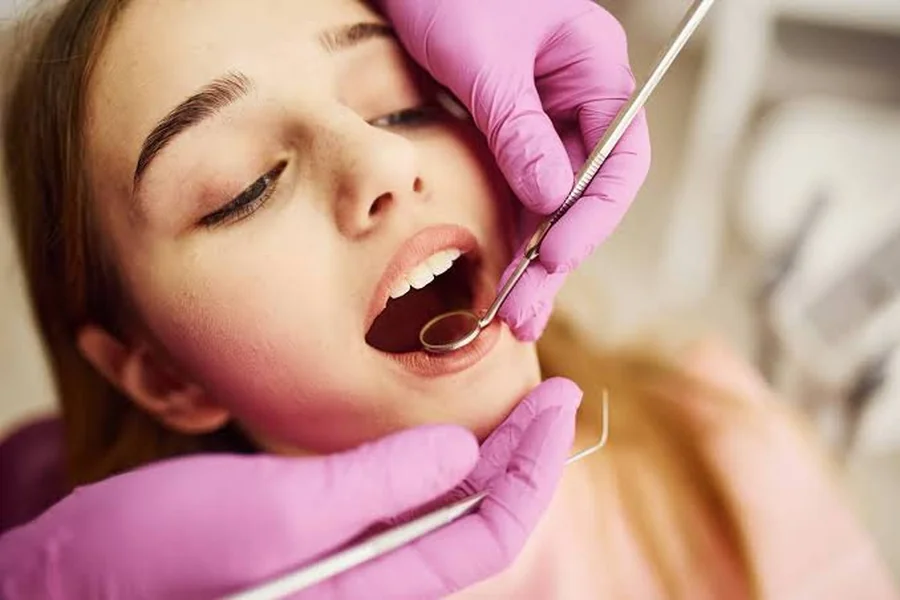
You notice a small chip, a faint stain, a tooth that is not quite even, and it is hard not to fixate on it. That is common. Cosmetic concerns can feel bigger in the mirror than they do to anyone else, and once you start searching for answers, every option can sound urgent, especially when looking for a trusted dentist in Medford. You may feel pulled between wanting a better smile and worrying about doing too much, spending too much, or changing healthy teeth in ways you cannot undo.
That tension is real. Many appearance related dental issues can be improved, but not every concern needs the fastest or most aggressive fix. In many cases, a careful plan protects your enamel, your bite, and your budget while still moving you toward a smile you feel good about. Conservative cosmetic dentistry often means starting with the least invasive step that can safely give you a result you will like.
Cosmetic dental treatment should protect healthy tooth structure
The pressure to get a perfect smile can lead people toward treatment that removes healthy enamel when a simpler option may work. That matters because enamel does not grow back. Once a tooth is reshaped for veneers or crowns, that change is permanent. For some patients, that tradeoff makes sense. For others, it is more treatment than the problem calls for.
A small gap, mild discoloration, minor edge wear, or one uneven tooth may respond well to whitening, bonding, enamel recontouring, or orthodontic alignment instead of a full cosmetic makeover. You are not settling when you choose the lighter touch. You are protecting what is healthy and reserving more involved treatment for the cases that truly need it.
This is especially true when the issue looks cosmetic but has a deeper cause. A chipped front tooth may come from grinding. Stains may be linked to diet, dry mouth, or early decay. Uneven wear can point to a bite problem. Covering the symptom without addressing the reason behind it can leave you paying twice, once for the cosmetic work and again for the repair when the same problem returns.
Some smile concerns need diagnosis before cosmetic treatment
You might think you need veneers because your teeth look dark, short, or worn. Sometimes the better first step is a full exam, cavity risk review, and bite assessment. The American Dental Association explains that caries risk assessment and management helps identify whether decay risk is low, moderate, or high. That affects cosmetic decisions. If your mouth is prone to cavities, dry mouth, or weak enamel, aggressive cosmetic work may fail sooner or create new problems around the margins of restorations.
That can be frustrating to hear when you are ready for a visible change. Still, it is better than moving ahead too fast. If a dentist sees active decay, gum inflammation, or clenching damage, the smartest plan may begin with stabilizing your oral health. Cosmetic dentistry works best on a healthy foundation.
Veneers are a good example of where nuance matters. They can create beautiful results, but they are not the right answer for every stain, shape issue, or slight misalignment. The ADA’s overview of veneers makes clear that they involve altering the tooth surface to fit the restoration. That is why many dentists recommend exploring reversible or less invasive options first when the concern is mild.
Conservative cosmetic dentistry often costs less now and later
People often focus on the upfront price of treatment, but the long term cost matters just as much. A bonded edge repair may need touch ups over time, yet it preserves tooth structure. Veneers and crowns can last many years, but they also begin a cycle of maintenance and replacement. Restorations do not last forever, and replacing them usually means removing more tooth structure each time.
Minimal intervention cosmetic dental care can reduce that cycle. If whitening solves the problem, there is no reason to drill. If orthodontic movement can align the teeth, masking the issue with larger restorations may create a bigger lifelong commitment than you expected. Good cosmetic planning looks beyond the before and after photo and asks what your teeth will need ten or fifteen years from now.
Comparing conservative and aggressive cosmetic dental options
| Concern | Conservative Option | More Aggressive Option | Main Tradeoff |
|---|---|---|---|
| Mild discoloration | Professional whitening | Veneers or crowns | Whitening preserves enamel, restorations change tooth structure permanently |
| Small chip or uneven edge | Bonding or enamel reshaping | Veneer | Bonding is less invasive, veneer may last longer but requires more preparation |
| Minor spacing or slight crowding | Clear aligners or limited orthodontics | Multiple veneers | Tooth movement treats the position, veneers mask it |
| Worn teeth from grinding | Night guard and bite management with selective repair | Full cosmetic reconstruction without managing grinding | Ignoring the cause raises the risk of repeat damage |
Practical steps before choosing general and cosmetic dentist treatment
Ask what can be preserved. During your consultation, ask how much healthy enamel would be removed with each option and whether a reversible treatment could work first. A thoughtful dentist should be able to explain why a treatment is necessary, not just why it is possible.
Get the diagnosis before the makeover. Ask about gum health, decay risk, grinding, bite balance, and any habits that may affect the result. Cosmetic success depends on these basics. If the foundation is weak, the cosmetic work is under stress from day one.
Think in timelines, not moments. Ask what maintenance looks like over five, ten, and fifteen years. A quick improvement can turn into repeated replacements if you choose a treatment that is bigger than the problem. Cosmetic dental concerns treated conservatively often give you more flexibility later.
A careful cosmetic plan can still create a smile you love
You do not have to choose between doing nothing and doing too much. The best cosmetic dental care is not the most dramatic option. It is the one that fits your teeth, your health, and your long term goals. If a concern is small, your treatment can be small too. If the issue runs deeper, a careful diagnosis helps you fix the real problem first.
A good plan should leave you feeling clearer, not pressured. If you are considering treatment with a general and cosmetic dentist, look for a path that improves your smile without sacrificing healthy tooth structure when you do not need to. That kind of restraint is not hesitation. It is good dentistry.
