

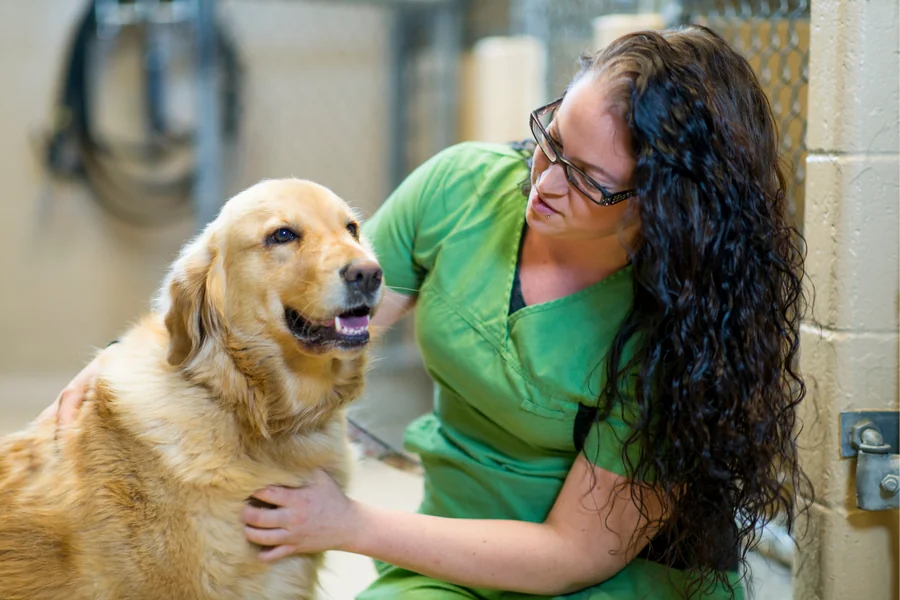
You may have seen it happen in real time. A stray is found hurt on the roadside, a litter of kittens turns up under a porch, or a dog arrives at a shelter with an untreated infection, old injuries, and no clear history. Rescue groups want to help, shelters are often stretched thin, and the difference between survival and suffering usually comes down to one thing fast access to medical care. That is where an animal hospital and a veterinarian in South Cary, NC step in.
How Animal Hospitals Contribute To Animal Rescue Efforts comes down to much more than emergency treatment. Animal hospitals stabilize injured pets, treat illness, support shelters with preventive care, guide foster networks, and help make adoption possible for animals that would otherwise be overlooked. When that support is missing, rescues face harder choices, higher costs, and fewer safe outcomes for the animals in their care.
Animal hospitals give rescue animals a real medical starting point
Many rescued animals do not arrive with simple needs. They come in dehydrated, underweight, pregnant, parasite-ridden, injured, or deeply stressed. Some have chronic disease that has gone untreated for months. Others look fine at first, then crash once the shock wears off. You can imagine how quickly a rescue budget disappears when one dog needs surgery, another needs isolation for a contagious illness, and a litter of puppies needs vaccines, deworming, and repeated exams.
An animal hospital provides the triage that rescue work depends on. That can mean wound care, pain control, diagnostic imaging, bloodwork, surgery, dental treatment, spay and neuter services, and behavior-sensitive handling. It also means documenting medical findings clearly, which helps shelters and foster homes make safe decisions about intake, quarantine, and placement.
This is one of the clearest ways animal hospitals support rescue organizations. They do not just treat the crisis in front of them. They create a care plan that gives the animal a path forward.
Rescue efforts become safer when shelters and veterinary teams work together
Rescue is emotional work, and emotion alone cannot stop disease spread or manage a packed intake calendar. Shelters need protocols. Foster homes need instructions they can follow at midnight when a kitten stops eating or a dog opens a surgical incision. Veterinary teams help build those systems.
That support often includes vaccination plans, parasite control, disease testing, pain management, surgical scheduling, and advice on isolation procedures. In crowded rescue settings, one missed diagnosis can affect dozens of animals. Ringworm, parvovirus, kennel cough, and upper respiratory infections move fast. A hospital that knows shelter medicine can help contain those risks before they become outbreaks.
Programs focused on shelter medicine show how much this partnership matters. The University of Florida Shelter Medicine Program highlights training, population health, and practical veterinary support for shelter animals. The University of Wisconsin Shelter Medicine Program also shows how veterinary guidance improves outcomes in rescue and shelter settings.
Animal rescue veterinary care affects adoption rates and long term outcomes
Animals do not need to be perfect to be adopted, but they do need a fair chance. A dog with untreated ear infections may be labeled difficult when he is actually in pain. A cat with severe dental disease may seem withdrawn when eating simply hurts. A puppy with parasites may appear weak and sickly even though basic treatment could turn things around in days.
Medical care changes how an animal feels, behaves, and presents to adopters. That matters. A rescue animal that is vaccinated, spayed or neutered, treated for pain, and medically assessed is easier to place responsibly. Adopters also feel more confident when they receive records, discharge instructions, and a clear explanation of the animal’s needs.
Rescue animal medical support also protects the people trying to help. Without veterinary partnership, rescuers may end up guessing at treatment, delaying care because of cost, or taking on cases that exceed what a foster home can safely manage.
Practical differences between rescue cases with and without animal hospital support
Small actions from animal hospitals strengthen the whole rescue network
Not every contribution is dramatic. Discounted exams, scheduled rescue intake slots, aftercare instructions that foster homes can understand, and follow up for post surgical complications all make rescue work more sustainable. Some hospitals also help with microchipping, health certificates, end of life decisions, and treatment plans for senior or special needs animals that shelters might otherwise struggle to place.
This is where the broader value of an animal hospital becomes clear. It is not only a place for pets with owners. It is often part of the safety net for animals with no advocate except the person who happened to stop and help.
Three steps you can take right away to support rescue focused veterinary care
Build a relationship before the emergency. If you work with rescue animals, identify an animal hospital that is comfortable with urgent intake, shelter medicine principles, and clear follow up communication. Waiting until you have a bleeding dog in the car usually means fewer options and more stress.
Ask for protocols, not just appointments. Rescue groups benefit from written guidance on vaccines, deworming, quarantine periods, and common red flags. A basic protocol reduces confusion and helps fosters act faster when something changes.
Share complete records at every handoff. Whether an animal moves from hospital to shelter, shelter to foster, or foster to adopter, medical notes matter. Clear records prevent repeated treatment, missed medications, and dangerous assumptions.
Animal hospitals make rescue possible on a larger scale
You do not need to spend long around rescue work to see the pattern. Good intentions save fewer animals than good systems do, and strong systems depend on veterinary care. Animal hospitals help rescue groups treat suffering early, prevent disease spread, and move animals toward safe adoption with less guesswork and less risk.
If you are involved in rescue, fostering, or shelter support, connect with an animal hospital that understands the pace and pressure of this work. That partnership can change outcomes for one animal at a time, and over time, for many more.
